For a road contractor, asphalt supply is one of the most important factors that determines whether a construction project can stay on schedule and achieve the expected profit. When a highway, urban road, or industrial road project lasts for two years, contractors usually face an important business decision: should they invest in their own 100 TPH asphalt batch plant, or should they continue outsourcing asphalt production from a third-party supplier?
At first glance, outsourcing seems easier because contractors do not need to invest in equipment, manage operators, or handle maintenance. However, during a long-term project, repeated asphalt purchasing costs, transportation expenses, supply uncertainty, and schedule risks can significantly affect the final project result.
On the other hand, purchasing a 100 TPH asphalt batch plant requires higher initial investment, but it gives contractors direct control over asphalt production, quality, and delivery timing. Therefore, the best choice depends on project duration, daily asphalt demand, construction location, and future business plans.
This article explains how road contractors can compare these two options from a practical construction perspective and decide whether owning a 100 TPH asphalt production system creates better long-term value.
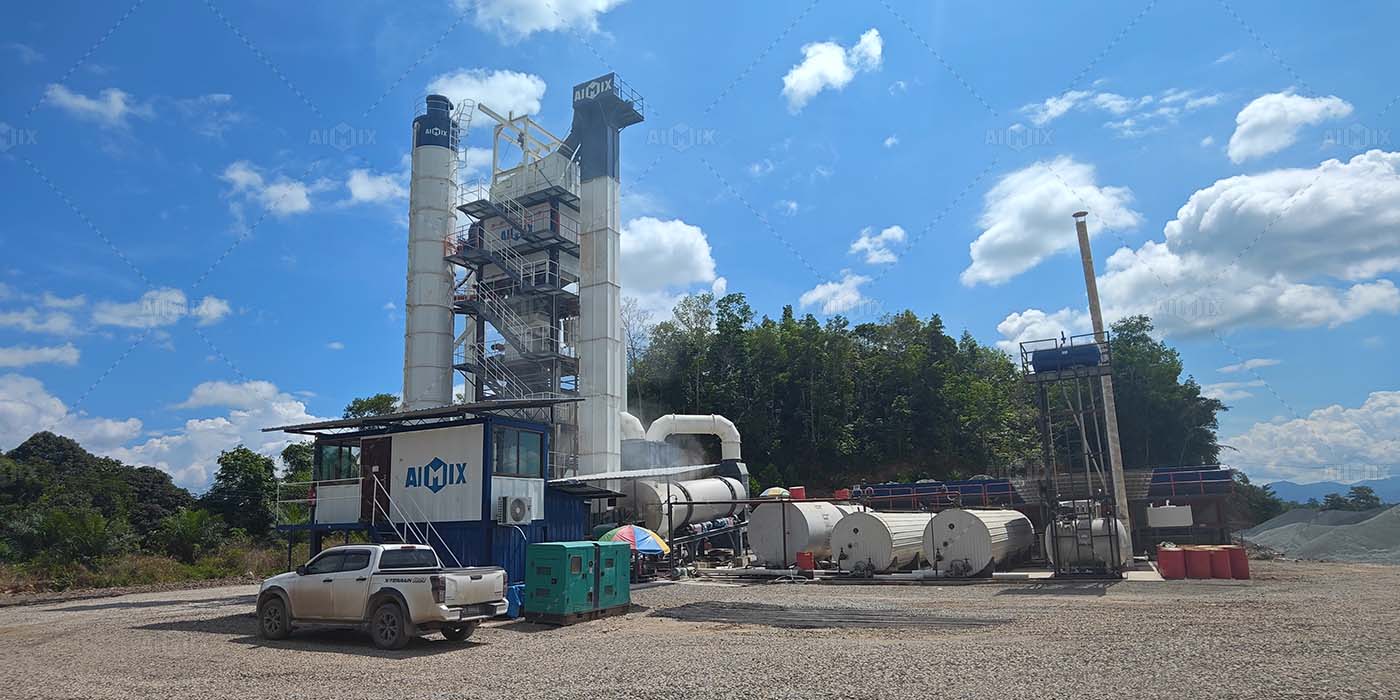
Start With Asphalt Demand Before Making The Investment Decision
Before comparing equipment investment and outsourcing costs, contractors should first calculate the actual asphalt requirement of the project. The production demand determines whether owning an asphalt plant is economically reasonable.
A 100 TPH asphalt plant does not mean the contractor must operate at 100 tons every hour. Actual production depends on working hours, material supply, weather conditions, and project schedule.
For example, if a road project requires 700 tons of asphalt mixture per day and the plant operates for eight hours, the required production rate is:
700 Tons ÷ 8 Hours = Approximately 88 TPH
In this situation, a 100 TPH asphalt plant provides enough production capacity while maintaining a reasonable safety margin.
This production margin is important because real construction projects rarely operate under perfect conditions. Rain delays, equipment inspection, truck shortages, or aggregate supply problems may reduce daily output.
Example Of A Two-Year Road Project Asphalt Requirement
| Project Factor | Example Condition |
|---|---|
| Project Duration | 2 Years |
| Working Days Per Year | Approximately 250 Days |
| Total Working Days | About 500 Days |
| Daily Asphalt Demand | 600-800 Tons Per Day |
| Total Asphalt Requirement | 300,000-400,000 Tons |
For a project with this level of asphalt demand, a 100 TPH asphalt plant can become a practical option because it matches the production requirement without creating unnecessary investment pressure.
However, production capacity is only one part of the decision. Contractors also need to compare the total cost and operational risks of both options.
Compare The Real Cost Of Buying A 100 TPH Plant And Outsourcing Asphalt
Many contractors compare only the purchase price of an asphalt plant with the price per ton offered by external suppliers. However, a better evaluation should include all costs throughout the two-year project period.
Outsourcing asphalt production may reduce the initial investment, but contractors continue paying for every ton of asphalt mixture, transportation, and possible supplier-related delays.
Purchasing a 100 TPH asphalt plant requires capital at the beginning, but the contractor gains control over production and can reduce dependence on external sources.
Main Costs When Outsourcing Asphalt Production
- Asphalt Material Cost: Contractors pay the market price for every ton of asphalt mixture purchased.
- Transportation Cost: Longer delivery distances increase fuel and truck expenses.
- Schedule Risk: Supplier delays may affect paving operations.
- Limited Production Control: Contractors must follow the supplier’s production schedule.
Main Costs When Owning A 100 TPH Asphalt Plant
- Equipment Investment: Initial purchase and installation require capital.
- Operation Cost: Fuel, electricity, operators, and maintenance need planning.
- Material Preparation: Aggregate supply and storage must be organized.
- Technical Management: Operators need proper training and support.
Although buying an asphalt plant requires more preparation, the contractor receives greater control over the entire asphalt production process. For a two-year project, this difference can have a significant impact.
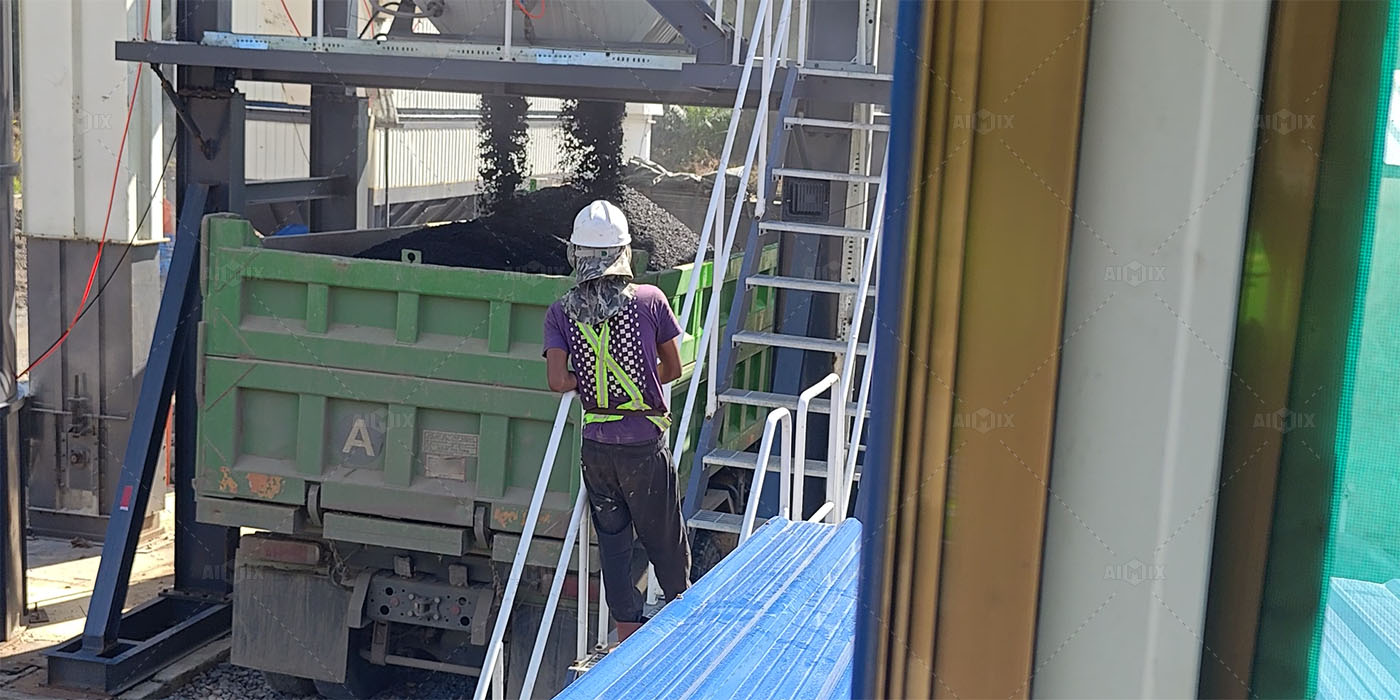
Why Asphalt Supply Control Is Important For Long-Term Road Projects
Road construction depends on continuous asphalt availability. Once paving machines, workers, and trucks are scheduled, any interruption in asphalt supply can create additional costs.
When contractors outsource asphalt production, they depend on another company’s production capacity. If the supplier receives multiple projects at the same time, the contractor may experience longer waiting times.
This problem becomes more serious during peak construction seasons when asphalt demand increases.
By owning a 100 TPH asphalt plant, contractors can organize production according to their own construction schedule. They can adjust output based on daily paving requirements instead of waiting for external suppliers.
Benefits Of Having Direct Asphalt Production Control
- Better control over construction progress.
- Reduced dependence on third-party asphalt suppliers.
- Faster response when project schedules change.
- Improved coordination between asphalt production and paving teams.
- Potential additional income from future asphalt supply projects.
For contractors working on highways, municipal roads, airport pavements, or industrial infrastructure, production control can become a competitive advantage.
When Outsourcing Asphalt Production Makes More Sense
Although owning an asphalt plant provides many advantages, outsourcing remains a suitable solution for certain project conditions. Contractors should evaluate their business situation carefully instead of automatically choosing equipment ownership.
For example, a contractor completing a short six-month road project with limited asphalt demand may not achieve enough utilization to justify purchasing a plant.
Outsourcing Can Be Suitable When:
- The project duration is short.
- Daily asphalt demand is relatively low.
- A reliable asphalt supplier is located nearby.
- The contractor does not have future asphalt-related projects.
- Investment capital needs to be focused on other equipment.
However, for a two-year project with stable asphalt consumption, contractors should carefully calculate whether continuous outsourcing costs will eventually exceed the value of owning their own production system.
How A 100 TPH Asphalt Plant Supports Two-Year Project Efficiency
A 100 TPH asphalt plant is often selected by contractors who need a balance between production capability and investment control.
Compared with very large asphalt plants, a 100 TPH system requires less supporting infrastructure while still providing enough output for many medium-scale road projects.
The contractor can produce asphalt according to actual project requirements and avoid unnecessary dependence on external suppliers.
For companies planning multiple projects after the current contract, owning a plant can also become a long-term production asset rather than a single-project expense.
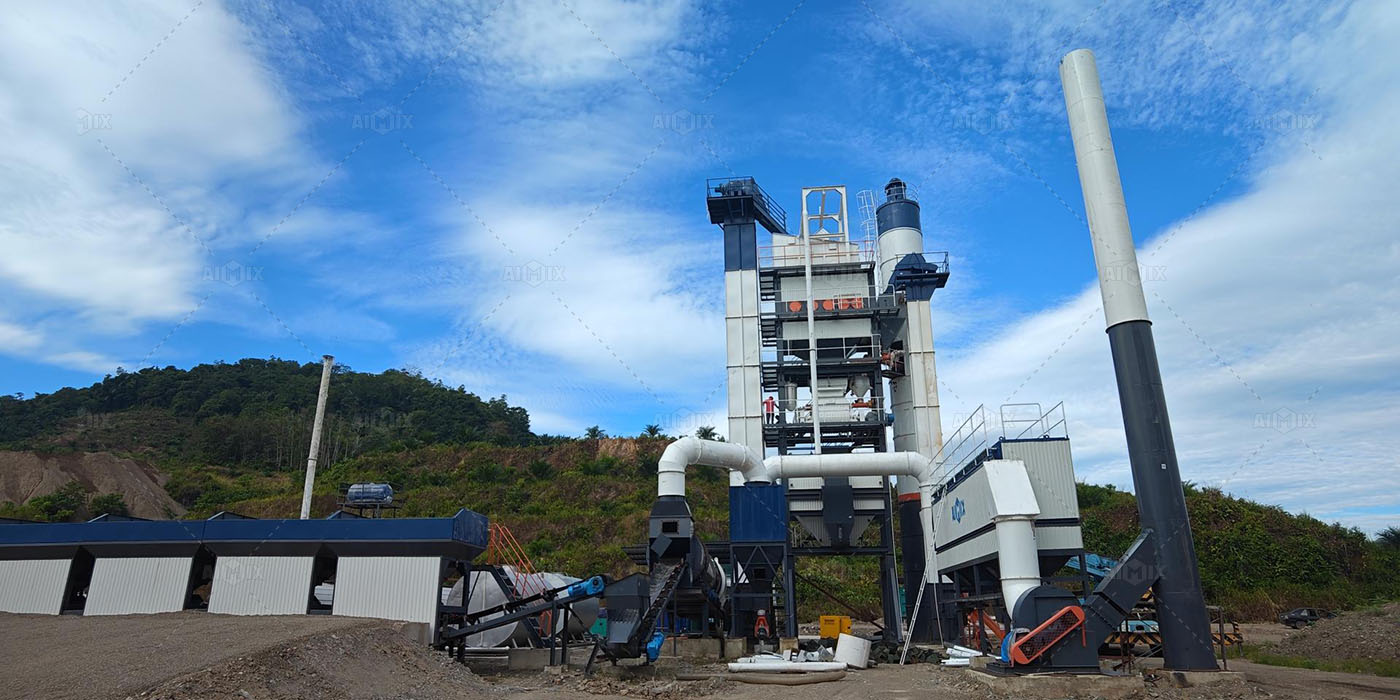
Evaluate The Return On Investment During The Entire Project Period
For a two-year road construction project, contractors should evaluate an asphalt plant purchase from a long-term business perspective. The question is not only whether the plant can produce asphalt, but whether it can create additional value during and after the project.
A 100 TPH asphalt plant becomes more attractive when the contractor has stable asphalt demand throughout the project. Instead of purchasing asphalt mixture every day, the contractor can control production according to the paving schedule.
This advantage can become significant when the project involves hundreds of thousands of tons of asphalt production. Even small savings per ton may create meaningful value over the entire project lifecycle.
Potential Long-Term Benefits Of Owning An Asphalt Plant
- Production Independence: Contractors can arrange asphalt production based on their own construction plan.
- Better Cost Control: The company can manage production costs instead of accepting external supplier prices.
- Schedule Protection: Asphalt availability is less affected by third-party production limitations.
- Future Project Support: The equipment can continue serving new road projects after the current contract.
However, contractors should also consider utilization rate. If the equipment will remain idle after one project, the investment return may become lower. Therefore, future project planning is an important part of the purchase decision.
Consider The Production Quality Requirements Of Your Road Project
Cost is important, but asphalt quality directly affects pavement performance. A road contractor should consider how the production method influences the final asphalt mixture.
A professional batch type asphalt mixing plant can provide accurate weighing and controlled mixing processes, which helps contractors produce consistent asphalt mixtures for different pavement requirements.
For example, highway projects may require different asphalt formulas for base layers, binder layers, and surface layers. Consistent production control helps contractors meet project specifications and reduce quality risks.
Therefore, when comparing outsourcing and self-production, contractors should evaluate not only the price per ton but also the control they have over asphalt quality.
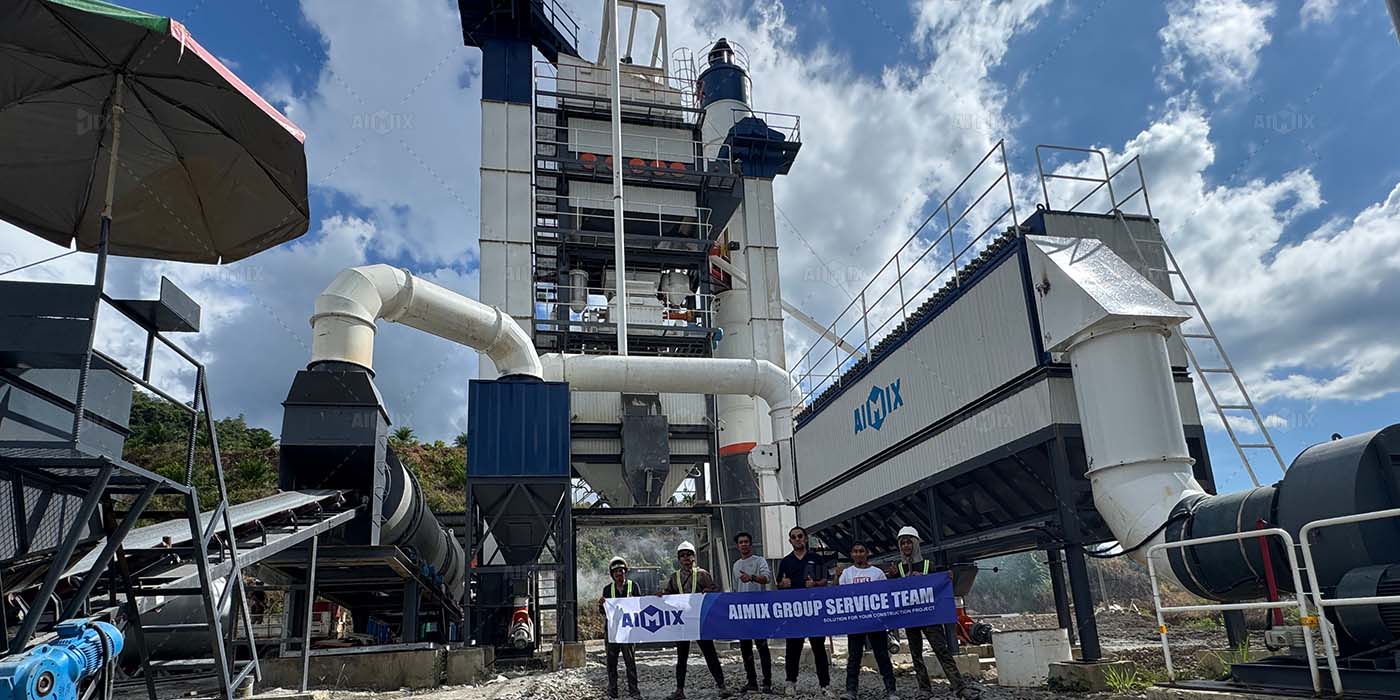
Project Location Can Change The Best Asphalt Production Strategy
The construction location plays an important role in deciding whether to buy an asphalt plant or outsource production.
For projects located near established asphalt suppliers, outsourcing may remain convenient. Short transportation distances reduce delivery costs and improve supply efficiency.
However, for remote road projects, mountain roads, rural highways, or large infrastructure projects far from commercial suppliers, transportation can become a major challenge.
In these situations, having your own production facility near the project site can improve efficiency.
Challenges Of Relying On External Asphalt Suppliers
- Long transportation distance increases fuel and logistics costs.
- Traffic conditions may delay asphalt delivery.
- Hot mix temperature control becomes more difficult over long distances.
- The contractor has less control over production timing.
As a result, many contractors evaluate their own asphalt concrete plant solution when project scale and duration justify the investment.
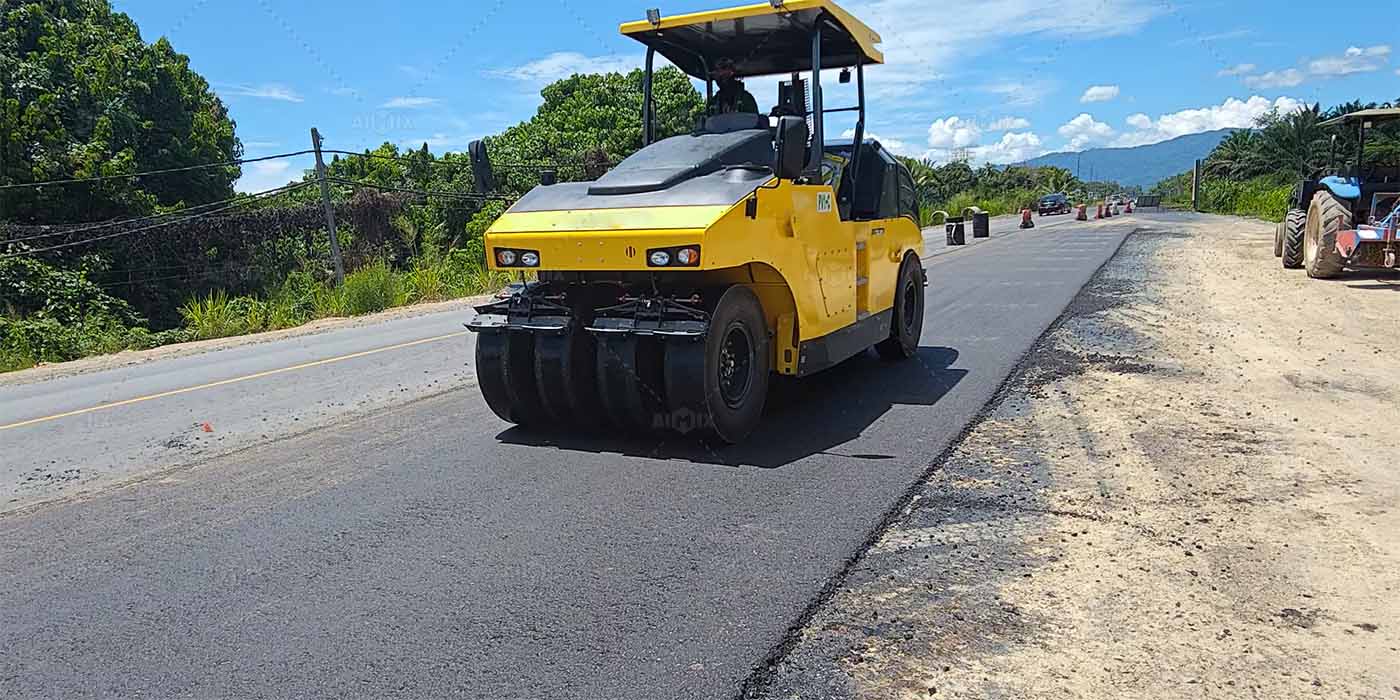
Should You Choose A Fixed Or Mobile Asphalt Production Solution?
After deciding to invest in asphalt production equipment, contractors should select a configuration that matches their project strategy.
A fixed asphalt plant is usually suitable for long-term projects where the production location remains unchanged. It provides stable operation and is often selected for large infrastructure programs.
A mobile solution provides more flexibility because the equipment can move between different projects. This option is attractive for contractors who regularly participate in road construction contracts in different regions.
Mobile Asphalt Plant Advantages For Contractors
- Easier relocation after completing one project.
- Suitable for contractors managing multiple road construction sites.
- Reduces dependence on permanent production locations.
- Improves equipment utilization over multiple projects.
For contractors who expect future road projects after the current two-year contract, investing in a mobile asphalt plant for sale can provide additional flexibility.
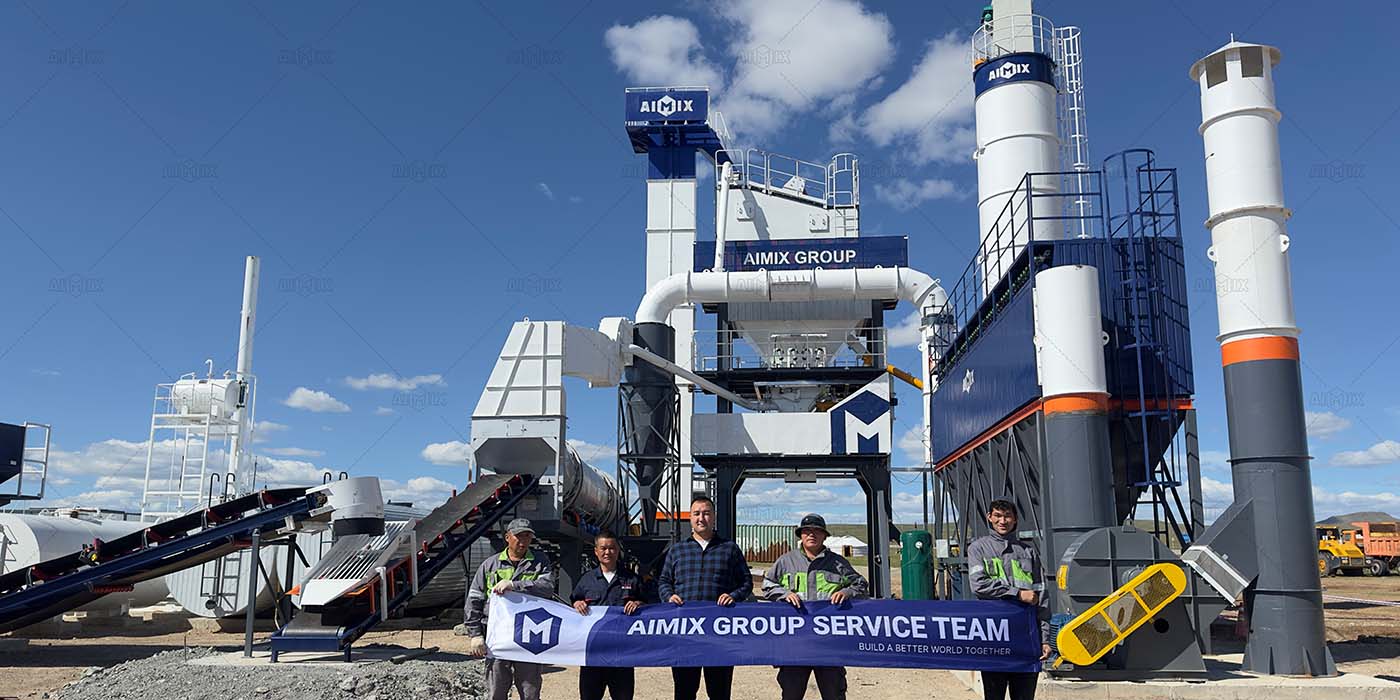
How To Select A Reliable Asphalt Plant Partner
The equipment manufacturer is another important factor in the success of an asphalt production investment. Contractors should not only compare equipment price but also evaluate technical support and project experience.
A professional asphalt mix plant supplier should understand road construction requirements and provide complete support from equipment selection to operation.
Important Supplier Evaluation Factors
- Experience with international road construction projects.
- Ability to recommend suitable plant capacity.
- Installation and commissioning support.
- Availability of spare parts and technical service.
- Understanding of local construction conditions.
A reliable supplier helps contractors avoid common mistakes, such as choosing insufficient capacity or purchasing equipment that does not match actual project needs.
Final Decision: Buy A 100 TPH Asphalt Plant Or Outsource Production?
For a two-year road construction project, both options have advantages. Outsourcing asphalt production reduces initial investment and simplifies operation. However, it also creates dependence on external suppliers and may increase long-term costs.
Buying a 100 TPH asphalt batch plant requires more preparation, but it provides stronger control over production, quality, and construction schedules.
For contractors with stable asphalt demand, multiple future projects, and suitable operating conditions, owning an asphalt plant can become a valuable long-term asset.
The best decision should come from a complete project analysis. Contractors should calculate asphalt demand, compare total costs, evaluate logistics, and consider future business opportunities.
The right asphalt production strategy is not simply about buying equipment or outsourcing material. It is about creating a reliable supply system that helps complete projects faster, control costs, and improve competitiveness.
Planning a two-year road construction project and comparing asphalt production options? Contact our asphalt plant experts to analyze your production requirements and find the most suitable solution for your project.