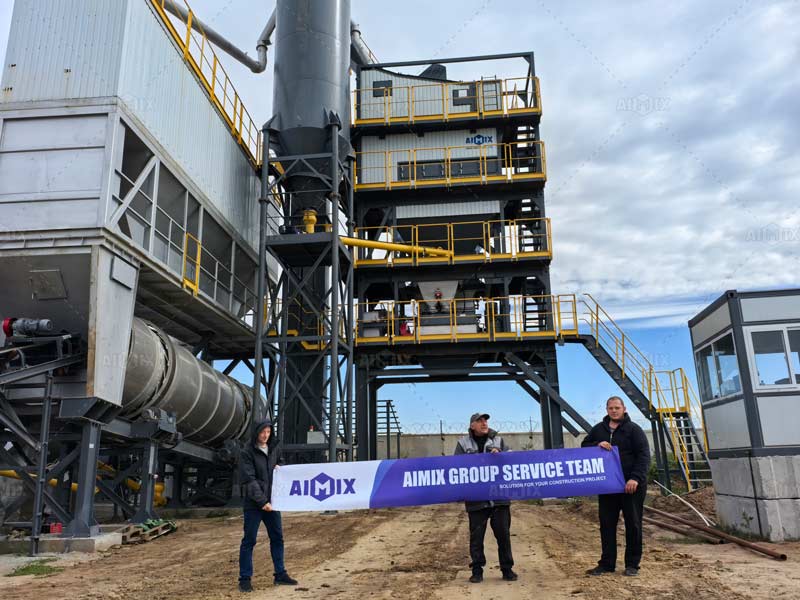
For an eight-hour production schedule, the basic calculation is 1,500 tons divided by eight hours, which equals 187.5 tons per hour. This makes a 200 TPH asphalt batch plant a practical starting point for evaluation. However, contractors should not treat 200 TPH as an automatic answer. Actual output depends on plant utilization, aggregate moisture, mix changes, truck availability, loading time, and the paving rate at the airport.
In other words, the real question is not simply how many tons the plant can produce per hour. The better question is whether the complete asphalt production and paving system can reliably deliver 1,500 tons to the airport each day.
Start With The 1,500-Ton Daily Target
The first step is to convert the daily requirement into an hourly production requirement. This gives the contractor a clear reference before comparing different plant capacities.
For an eight-hour production shift:
1,500 tons ÷ 8 hours = 187.5 TPH
Therefore, the asphalt plant must maintain an average production rate of about 187.5 tons per hour if the contractor wants to produce the entire 1,500 tons within eight hours.
However, an asphalt plant does not normally run at its theoretical maximum for every minute of a shift. Operators may need time for startup, mix changes, material replenishment, routine checks, truck loading, and unexpected interruptions. Consequently, selecting a plant with some production margin is usually more practical than choosing one with a rated capacity of exactly 187.5 TPH.
The following comparison helps explain the difference between theoretical capacity and the actual project requirement.
| Plant Capacity | 8-Hour Theoretical Output | Can Reach 1,500 Tons In 8 Hours? | Typical Planning Consideration |
|---|---|---|---|
| 120 TPH | 960 tons | No | Requires a substantially longer production period |
| 160 TPH | 1,280 tons | No | Requires more than 9.3 hours at rated output |
| 200 TPH | 1,600 tons | Yes, theoretically | Provides approximately 100 tons of theoretical margin |
| 240 TPH | 1,920 tons | Yes, with greater margin | Useful for higher peak demand or future projects |
These figures show why a 200 TPH plant deserves close consideration. At full rated output, it can theoretically produce 1,600 tons in eight hours. That gives the contractor some room to handle normal production interruptions.
Why A 200 TPH Plant Is A Practical Reference
Once the hourly requirement is clear, the next step is to compare it with standard asphalt plant capacities. A 200 TPH plant sits just above the calculated 187.5 TPH requirement for an eight-hour shift.
The theoretical calculation is straightforward:
200 TPH × 8 hours = 1,600 tons
That means the plant has a theoretical production margin of 100 tons above the 1,500-ton target.
This margin matters because construction sites rarely operate under perfectly stable conditions. A truck may arrive late. Aggregate moisture may change. Operators may need to adjust the mix. A production line may also stop briefly for inspection or maintenance.
Therefore, a 200 TPH plant does not mean that the contractor will automatically produce 1,600 tons every eight-hour shift. Instead, it provides a capacity level that can better accommodate a 1,500-ton daily target when the rest of the production system is properly matched.
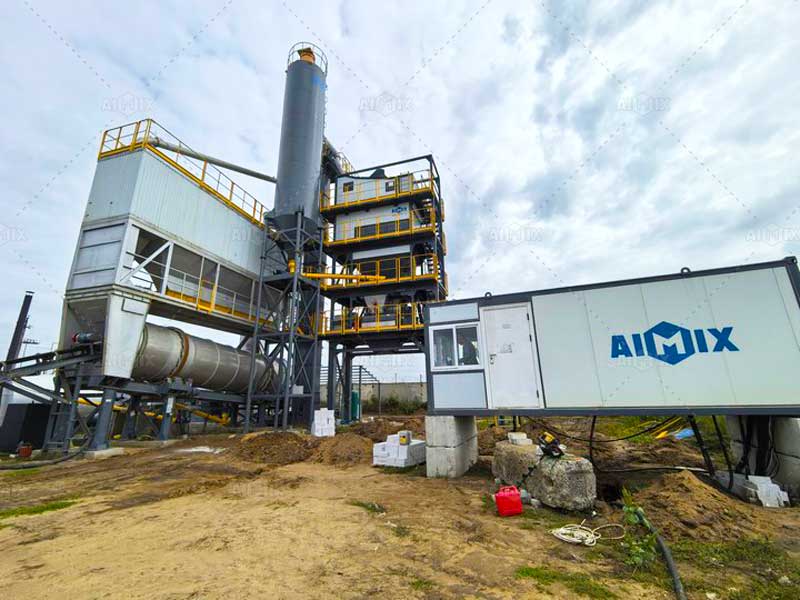
For contractors comparing different batch asphalt plant configurations, the key point is to look beyond the headline TPH number. The batch system, aggregate storage, drying capacity, weighing system, mixing cycle, bitumen supply, and finished-material handling must all support the required output.
Can A 160 TPH Plant Produce 1,500 Tons Per Day?
Yes, but the production schedule becomes more important.
A 160 TPH plant can theoretically produce:
160 TPH × 8 hours = 1,280 tons
That is 220 tons below the 1,500-ton target.
To calculate the theoretical production time needed for 1,500 tons:
1,500 ÷ 160 = 9.375 hours
Therefore, a 160 TPH plant needs approximately 9.4 hours of production at full rated output to reach 1,500 tons.
This configuration may work for an airport project with a longer production window. For example, if the contractor can operate the plant for 10 hours and maintain high utilization, the daily target becomes more realistic.
However, longer operation also affects fuel consumption, labor arrangements, maintenance schedules, truck utilization, and project management. Therefore, contractors should compare the cost of longer operating hours with the additional investment required for a higher-capacity plant.
Why The Paving Rate Matters As Much As Plant Capacity
Plant capacity should never be calculated independently from the paving operation.
Imagine an airport contractor purchasing a 200 TPH plant. The plant can produce asphalt at a high rate, but the paving crew can only place material at a much lower rate. In this situation, the contractor may create excess production rather than useful progress.
The opposite problem can also occur. If the paver can consume asphalt faster than the plant can produce it, the paving crew may experience material shortages and interruptions.
Therefore, the production chain should remain balanced:
- Aggregate stockpiles must support the plant.
- Cold aggregate feeders must maintain stable feeding.
- The dryer must remove moisture efficiently.
- The screening system must maintain the required aggregate gradation.
- Bitumen and filler systems must supply materials at the required rate.
- The mixer must complete each batch consistently.
- Hot asphalt trucks must arrive at the loading point on schedule.
- Trucks must deliver the mix to the paver without excessive delay.
- The paver and rollers must maintain the planned paving rate.
Consequently, the best plant capacity is the one that supports the entire paving system rather than simply maximizing plant output.
Why Batch Asphalt Production Can Suit Airport Projects
Airport projects can involve more demanding asphalt specifications than ordinary local road work. Runways, taxiways, aprons, service roads, and access areas may have different pavement requirements.
A batch production process can provide useful control because aggregates are weighed and combined according to the selected mix design before mixing. This approach makes it easier to manage different proportions when the project requires more than one asphalt mixture.
For projects where mix consistency and recipe flexibility matter, a batch configuration can therefore be worth considering.
AIMIX’s current asphalt plant information lists the ALQ series as a stationary batch plant range with capacities including 160 TPH, 200 TPH, and 240 TPH. The same range is positioned for long-term infrastructure applications, including airport construction.
At the same time, contractors should not choose a batch plant simply because it is an airport project. The actual mix design, daily volume, project duration, and production schedule should determine the configuration.
Calculate Real Production Instead Of Using Rated Capacity Alone
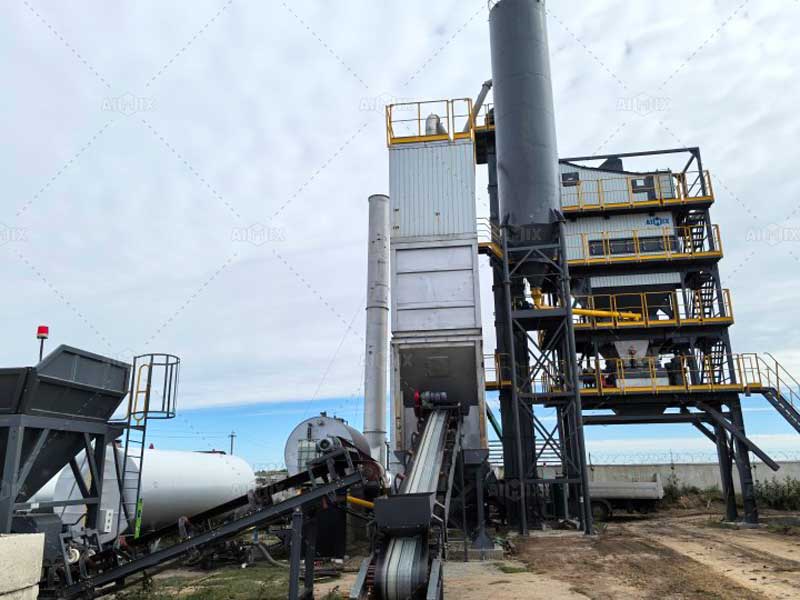
Rated capacity provides a useful reference, but actual production depends on utilization.
For example, a 200 TPH plant operating for eight hours has a theoretical output of 1,600 tons.
If the average utilization reaches 90%, the approximate output becomes:
200 × 8 × 90% = 1,440 tons
At 95% utilization:
200 × 8 × 95% = 1,520 tons
This simple example shows why the production margin matters. A plant with a rated capacity just above the calculated requirement may still struggle if its utilization falls significantly below the expected level.
For this reason, airport contractors should ask suppliers about the operating conditions behind the stated capacity. The same TPH rating can produce different practical results under different aggregate moisture, fuel, temperature, mix, and logistics conditions.
How Truck Logistics Can Limit A 200 TPH Plant
Truck logistics are often overlooked when contractors calculate asphalt plant capacity.
A 200 TPH plant can produce a large quantity of hot mix asphalt in a short period. However, the plant needs trucks to remove the finished material at a matching rate.
Suppose the airport is located a long distance from the asphalt plant. Each truck then spends more time traveling, loading, unloading, and returning. If the contractor does not provide enough trucks, the asphalt plant may have to slow down or stop while waiting for available vehicles.
This means the plant’s rated capacity does not automatically become the project’s delivered capacity.
Therefore, contractors should calculate the complete transportation cycle before finalizing the plant size. The calculation should include plant-to-airport distance, average truck speed, loading time, unloading time, traffic conditions, and the number of trucks available.
The shorter and more predictable the transport cycle, the easier it becomes to maintain a stable asphalt supply to the paving operation.
Consider Aggregate Moisture And Fuel Conditions
Aggregate moisture can have a direct effect on asphalt production efficiency.
Wet aggregate requires additional energy during drying. In regions with seasonal rainfall or high aggregate moisture, the contractor should therefore pay close attention to dryer performance and burner configuration.
This is particularly important for high-output projects because a small efficiency problem can affect a large volume of asphalt over the course of a full production day.
Fuel availability also matters. Depending on the project location, the contractor may consider diesel, gas, heavy oil, or other available fuel options. The final selection should consider local fuel supply, operating cost, environmental requirements, and burner compatibility.
Similarly, the contractor should size bitumen storage around the planned production schedule. Running out of bitumen during a production shift can stop the entire asphalt production process even when aggregate supplies remain available.
How Many Hours Should The Plant Run Each Day?
Working hours have a major effect on the required plant capacity.
If the contractor wants to produce 1,500 tons in eight hours, the average requirement is 187.5 TPH.
If the contractor can operate for ten hours, the average requirement falls to:
1,500 ÷ 10 = 150 TPH
This changes the equipment comparison considerably. A 160 TPH plant becomes much more relevant when the project has a reliable ten-hour production window.
However, extending operating hours should not be treated as free capacity. Longer operation may increase labor requirements and fuel consumption. It can also affect maintenance planning and equipment service intervals.
Therefore, contractors should calculate both equipment investment and operating costs before deciding whether to increase plant capacity or extend daily production hours.
What If The Airport Project Has Peak Production Days?
Not every airport project requires exactly 1,500 tons every day.
Some days may require 1,000 tons, while a major paving operation may require 1,800 tons or more. If the contractor sizes the plant around the average day only, the plant may become a bottleneck during peak paving periods.
For this reason, contractors should identify the project’s highest expected daily asphalt demand.
For example, if the project schedule contains several peak days above 1,500 tons, a 240 TPH plant may deserve consideration even if the normal daily requirement remains lower.
On the other hand, if 1,500 tons represents the maximum requirement and the project will rarely exceed it, a 200 TPH configuration may provide a more balanced capacity level.
The decision should therefore follow the construction schedule rather than a single average number.
When A 240 TPH Plant Makes Sense
A 240 TPH plant can theoretically produce:
240 × 8 = 1,920 tons in eight hours
This provides a much larger production margin compared with the 1,500-ton daily target.
Such additional capacity can be useful when the contractor expects peak production requirements, operates multiple paving crews, or plans to use the plant for future highway and airport projects.
However, additional capacity also means additional equipment investment and potentially greater supporting infrastructure. The contractor should therefore confirm that the additional output will be used often enough to justify the larger configuration.
Oversizing a plant can be just as inefficient as buying equipment that is too small.
What Site Conditions Should Be Checked Before Buying?
Before placing an order, airport contractors should evaluate the actual plant site.
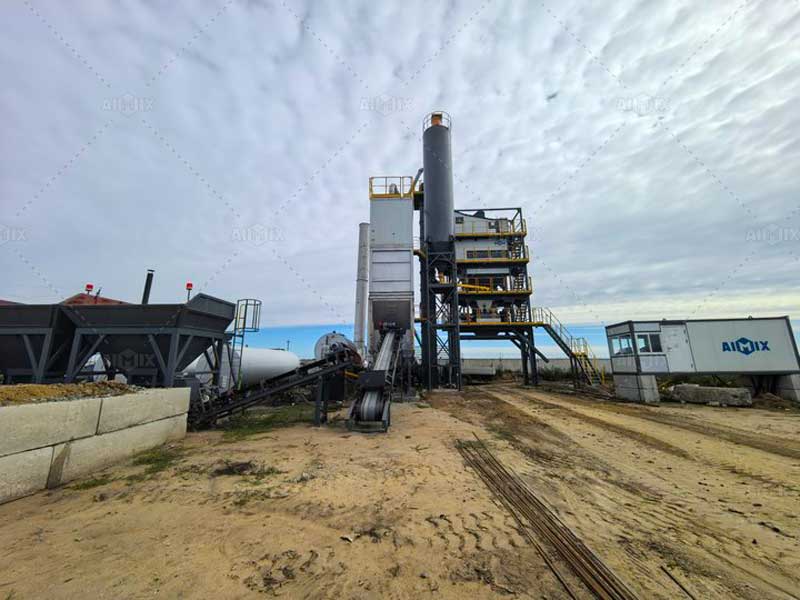
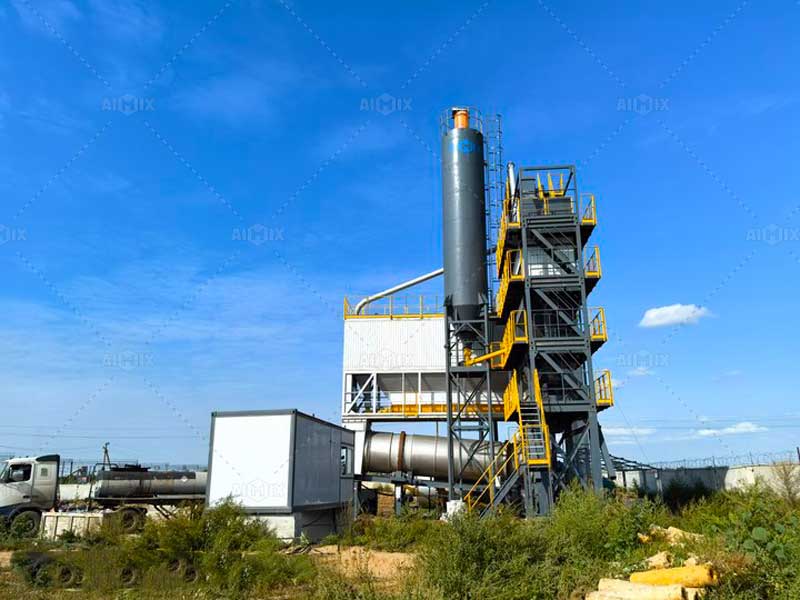
The site needs sufficient space for aggregate storage, cold feed bins, conveyors, the drying system, dust collection equipment, bitumen tanks, control systems, truck circulation, and finished asphalt loading.
Access is also important. Heavy trucks must enter and leave the plant efficiently. Poor traffic flow can reduce the practical production rate even when the plant itself performs normally.
Power supply, fuel storage, drainage, foundation requirements, environmental controls, and local construction regulations should also be reviewed during the planning stage.
These details may seem separate from the TPH calculation. In practice, however, they directly affect whether the plant can maintain stable production.
What Should Be Included In The Supplier Quotation?
When requesting a quotation, do not send only the message, “I need a 200 TPH asphalt plant.” A more detailed project brief allows the supplier’s engineering team to prepare a more relevant configuration.
At minimum, provide the following information:
- Daily asphalt requirement: approximately 1,500 tons.
- Working hours: planned production hours per day.
- Project location: airport and country.
- Transportation distance: asphalt plant to paving area.
- Mix types: number of asphalt recipes required.
- Aggregate: available materials, sizes, and moisture conditions.
- Bitumen: required grade and expected consumption.
- Fuel: locally available fuel options.
- Power: available electricity conditions.
- Project duration: expected operating period.
- Future projects: whether the plant will continue operating after the airport project.
With these details, a supplier can compare plant capacity, configuration, auxiliary equipment, storage, and site requirements as one system.
How To Compare Asphalt Plant Suppliers
Price should not be the only factor when comparing suppliers for an airport project.
The contractor should also examine manufacturing experience, plant configuration, component quality, automation, installation support, operator training, spare parts availability, and after-sales service.
A reliable asphalt plant supplier should be able to explain how the proposed capacity relates to the contractor’s daily production target. The supplier should also identify the assumptions behind the capacity calculation instead of presenting a single TPH number without context.
For a major airport project, this technical discussion can be more valuable than simply comparing the lowest quotation.
Should You Choose Batch Or Drum Production?
The choice between batch and drum production depends on the project’s production pattern and mix requirements.
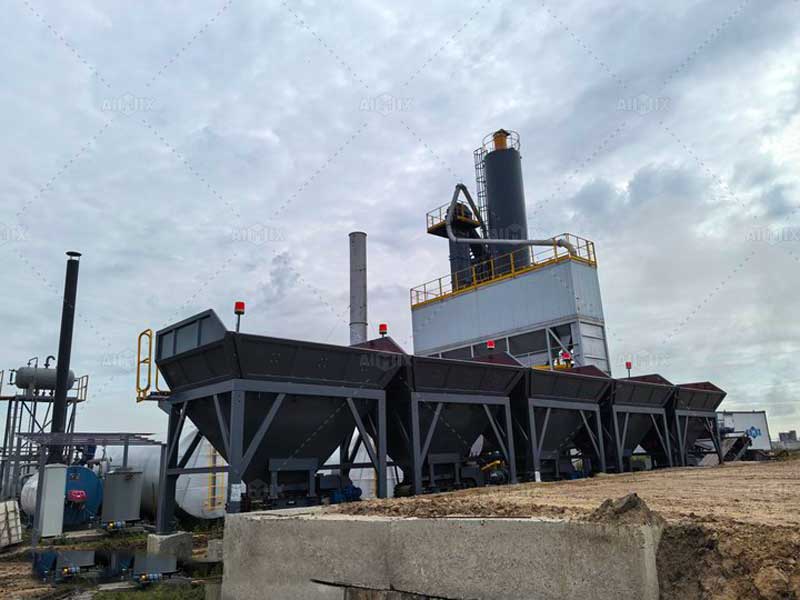
Batch production can be useful when the contractor needs precise batching and expects to change mix designs. This can be relevant for airport projects where different pavement areas may have different specifications.
Drum production can be attractive when the project requires a large volume of relatively consistent asphalt mixture and continuous production suits the operating plan.
Therefore, the contractor should first understand the asphalt specifications and production schedule. Only then should the equipment type be selected.
For projects requiring controlled batch production, hot mix asphalt equipment should be evaluated together with the required capacity, aggregate system, bitumen system, dust collection, and automation level.
A Practical Capacity Selection For 1,500 Tons Per Day
The following framework provides a simple starting point for airport contractors.
- Choose around 160 TPH when the project can maintain a longer daily production window and does not require 1,500 tons within eight hours.
- Evaluate 200 TPH first when the target is approximately 1,500 tons during an intensive eight-hour production schedule.
- Consider 240 TPH when peak production, multiple paving operations, or future high-volume projects justify additional capacity.
This is not a substitute for project-specific engineering. Instead, it provides a practical starting point for discussing the plant with a supplier.
In particular, contractors should compare the expected actual production rather than simply multiplying the rated TPH by the number of working hours.
What Is The Final Answer?
For an airport project that needs to produce approximately 1,500 tons of asphalt per day, the basic eight-hour calculation requires an average production rate of 187.5 TPH.
A 200 TPH asphalt batch plant can theoretically produce 1,600 tons during eight hours. Therefore, it provides a reasonable production margin for a project targeting 1,500 tons per day.
A 160 TPH plant can also meet the daily target when the contractor has a longer production window. A 240 TPH plant may be appropriate when the project has higher peak demand or when the contractor expects to use the equipment on future large infrastructure projects.
However, plant capacity alone does not determine project performance. Truck availability, aggregate moisture, bitumen storage, mix changes, paving speed, site layout, working hours, and plant utilization all influence the actual amount of asphalt delivered to the airport.
Therefore, the most reliable approach is to size the entire production system around the airport’s real construction schedule.
Plan The Asphalt Plant Around Your Airport Project
If your airport project requires around 1,500 tons of asphalt per day, start with the actual paving schedule instead of selecting equipment based only on a catalog capacity.
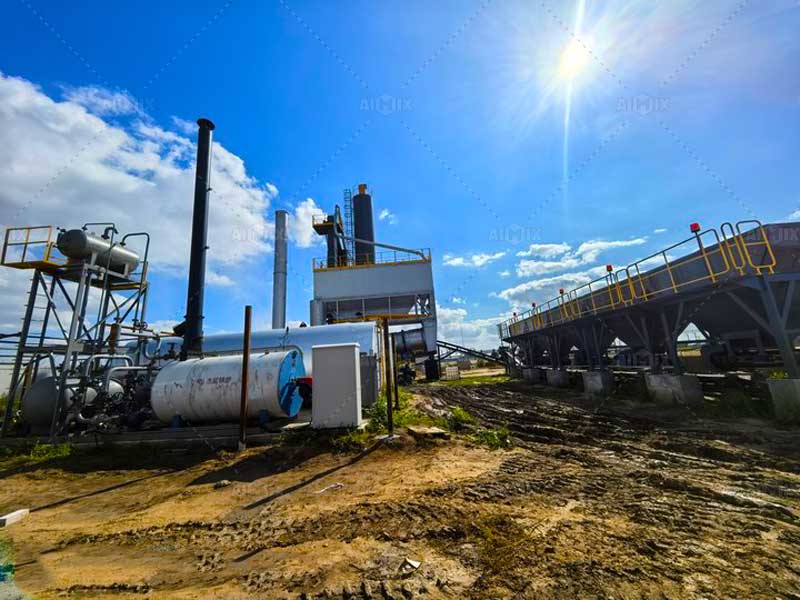
AIMIX provides asphalt mixing plant configurations for different production requirements, including stationary batch plants in the 160 TPH, 200 TPH, and 240 TPH capacity range. The right configuration depends on your daily target, working hours, mix specifications, transportation distance, aggregate conditions, and future equipment plans.
You can review the complete range of asphalt mixing plant solutions and then provide your project details for a more specific capacity assessment.
Tell us your airport location, required asphalt volume, planned working hours, mix requirements, and transport distance. We can then help you compare the suitable plant capacity and configuration for your actual project conditions.