Highway rehabilitation in Malaysia demands more than a high asphalt production rate. Contractors must balance mix quality, paving speed, haul distance, plant location, traffic control, and project schedules. This is especially important for rehabilitation work on the PLUS highway network.
For contractors evaluating an asphalt batch mix plant in malaysia, one practical question often comes first: can a 120 TPH asphalt batch plant keep up with highway rehabilitation work?
In many cases, yes. However, the answer depends on the paving plan, daily production target, aggregate supply, haul distance, required asphalt mix, and available working hours.
A 120 TPH asphalt plant can provide a useful balance between production capacity and project flexibility. More importantly, a batch asphalt plant can support controlled aggregate grading and mix design adjustments. These factors matter when rehabilitation work requires consistent asphalt quality rather than simply large output.
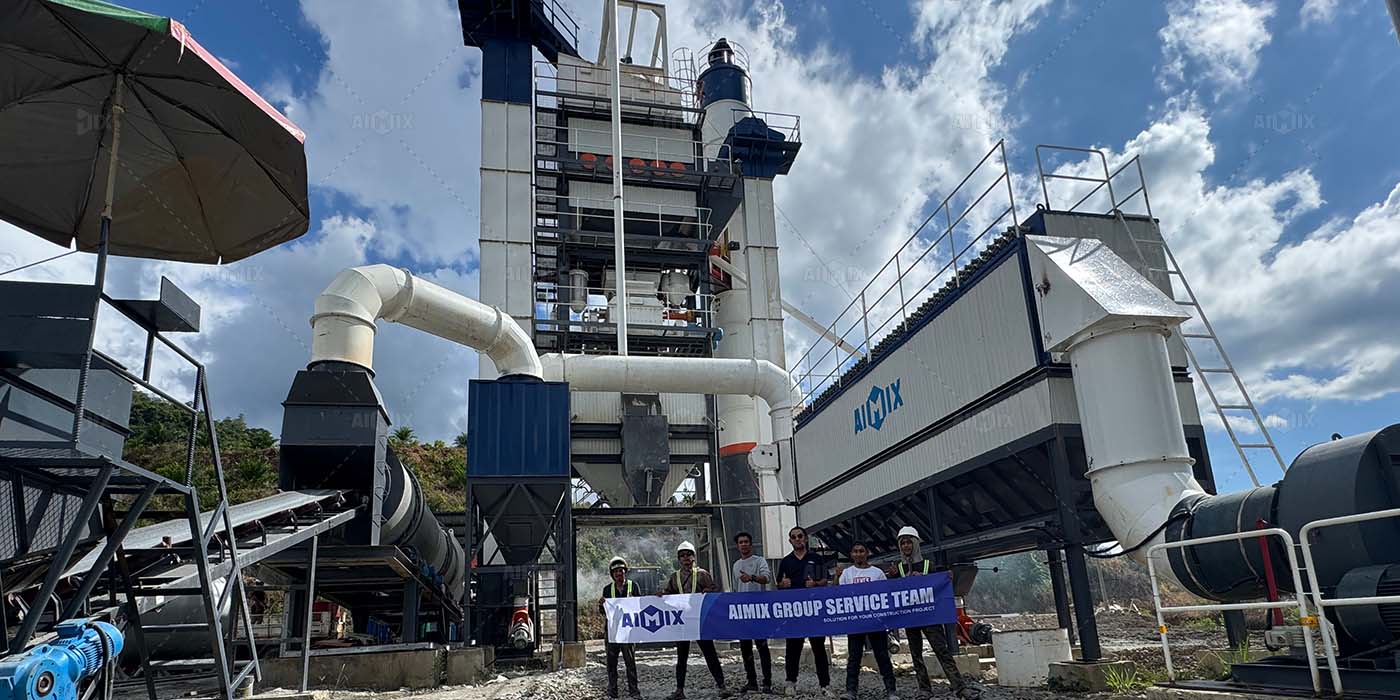
Why PLUS Highway Rehabilitation Needs Reliable Asphalt Production
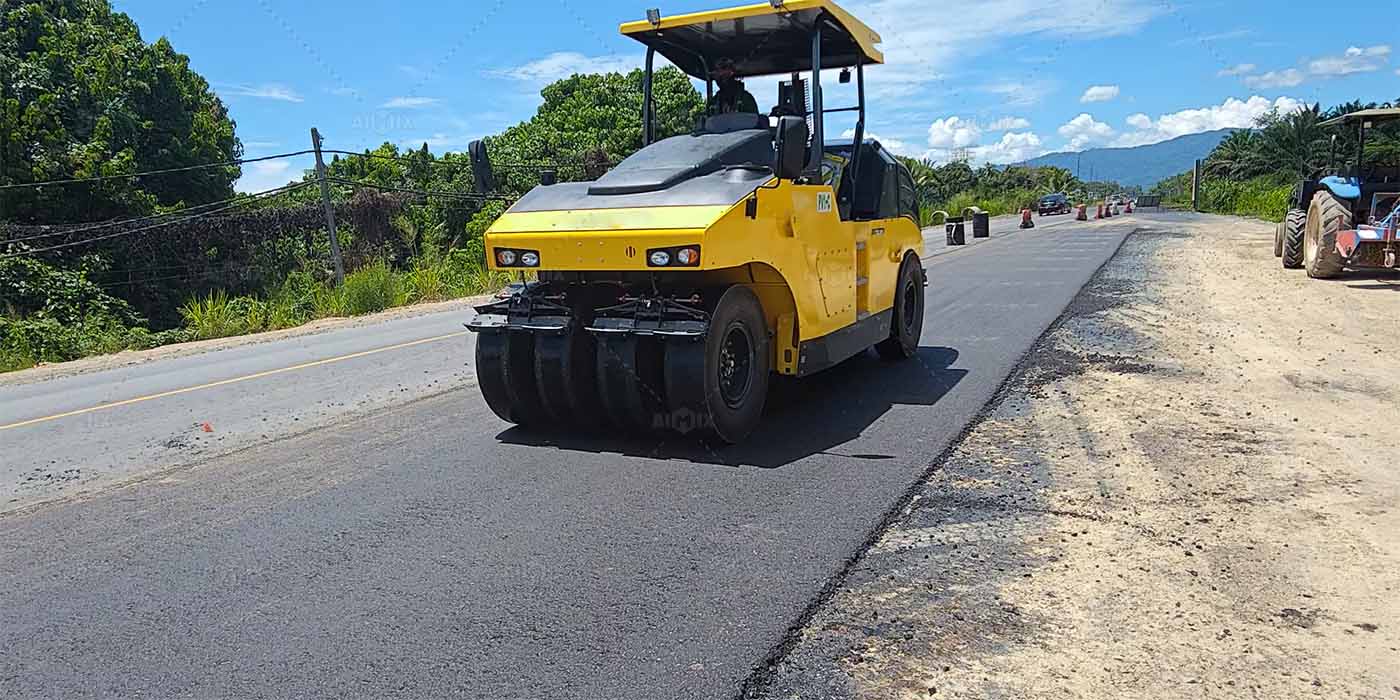
Before choosing plant capacity, contractors should understand the working conditions. Highway rehabilitation differs from greenfield road construction. The existing highway must continue serving traffic while construction teams repair the pavement.
Therefore, the asphalt plant must support a coordinated production and paving system. A delay at the plant can quickly affect trucks, pavers, rollers, workers, and traffic management.
Instead of treating asphalt production as an isolated process, contractors should view the plant as part of the entire paving chain. This approach makes capacity planning more realistic and reduces the risk of purchasing equipment that does not match the project.
Continuous Highway Traffic Changes The Production Strategy
PLUS operates a major highway network with substantial traffic demand. Traffic management therefore plays an important role in rehabilitation scheduling.
Contractors may need to work during restricted traffic windows or at night. Consequently, the plant may need to produce enough asphalt within a relatively short period.
This creates a direct connection between asphalt plant capacity and paving efficiency. If the plant cannot maintain supply, the paving crew may need to stop. If the plant produces faster than trucks can transport the mix, the contractor may instead create unnecessary waiting and temperature-management problems.
Rehabilitation Requires Consistent Mix Quality
Highway rehabilitation may involve wearing courses, binder courses, patching, widening, or localized pavement repairs. Each application can require different mix characteristics.
Malaysia’s road construction specifications also place importance on asphalt mix properties and production control. Therefore, contractors should evaluate more than nominal TPH when selecting a plant.
Weighing accuracy, aggregate screening, hot-bin configuration, mixer performance, temperature control, and automation can all affect final mix consistency.
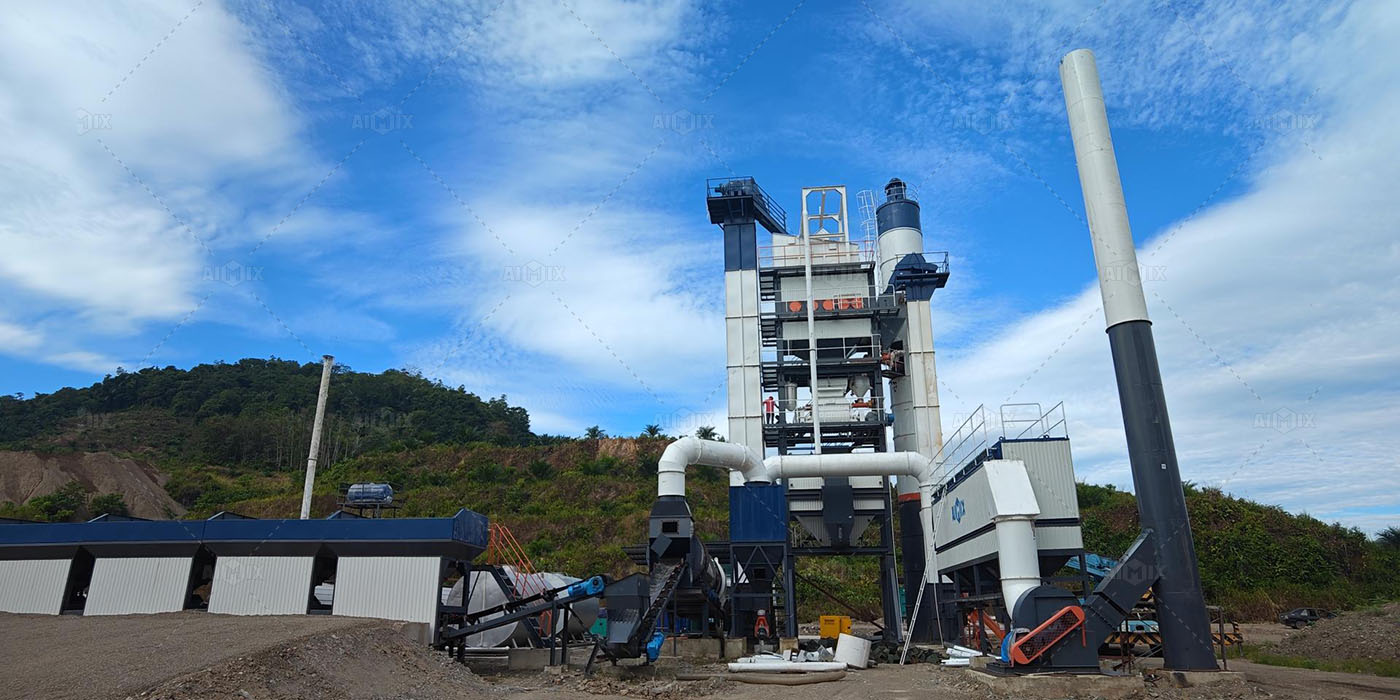
Can 120 TPH Meet A Typical Highway Rehabilitation Demand?
In practical terms, 120 TPH provides a substantial production base for many rehabilitation projects. However, contractors should calculate demand from the paving operation instead of relying only on the nominal plant capacity.
A properly configured 120 tph asphalt batch plant has a theoretical production capacity of 960 tons during an eight-hour production shift.
However, actual output will normally differ from the theoretical figure. Warm-up time, material feeding, mix changes, maintenance, truck availability, and site interruptions can reduce effective production.
For preliminary planning, contractors can consider an operational efficiency range rather than assuming 100% utilization. A planning range of roughly 70% to 85% can provide a more practical starting point, although actual performance depends on the plant configuration and project conditions.
| Planning Item | 120 TPH Example | Why It Matters |
|---|---|---|
| Nominal capacity | 120 tons/hour | Defines the rated production capacity |
| 8-hour theoretical output | 960 tons | Useful for initial project estimation |
| 70% operational output | About 672 tons | Allows more production interruptions |
| 85% operational output | About 816 tons | Possible with efficient production coordination |
These figures are planning examples, not guaranteed production results. The final production estimate should consider aggregate moisture, mix design, fuel system, operator performance, maintenance, and truck logistics.
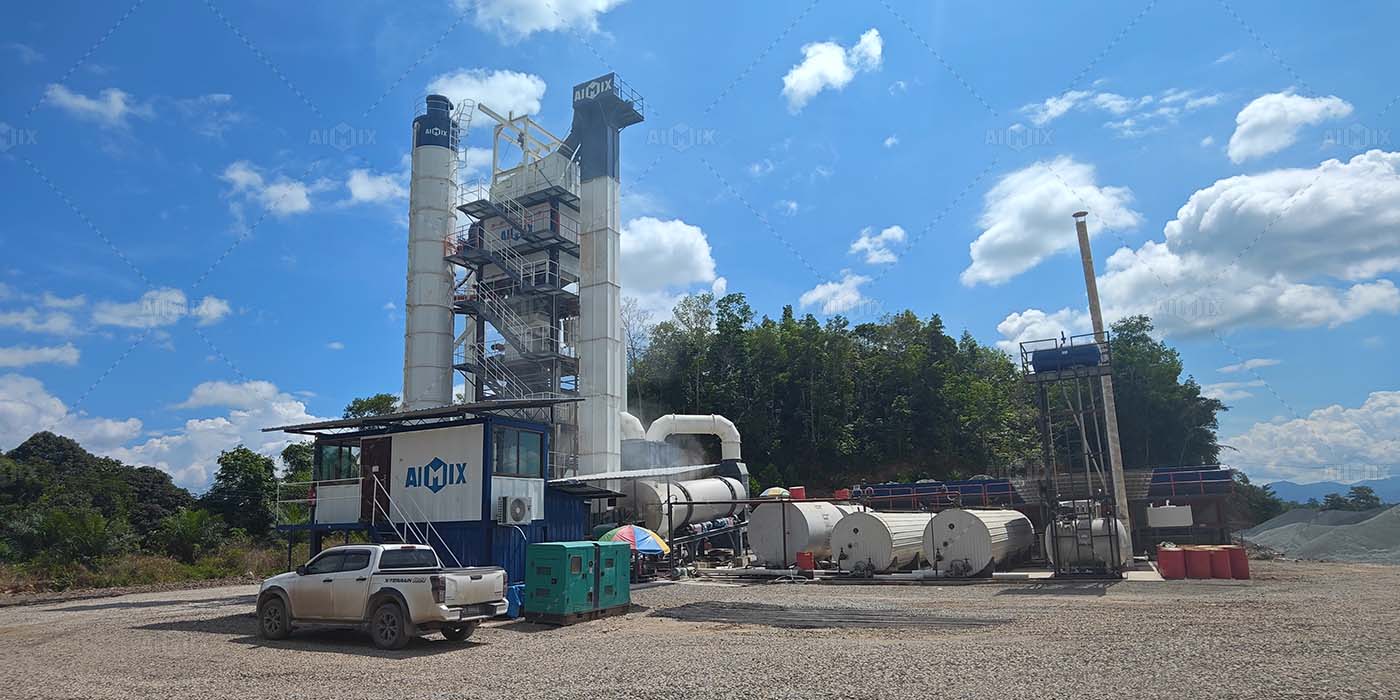
Why A Batch Asphalt Plant Can Make Sense For PLUS-Related Work
Once the required production range is clear, the next question is plant type. For highway rehabilitation, batch production can offer several practical advantages.
A batch asphalt plant produces asphalt by weighing and combining controlled quantities of different materials. This process can give contractors useful control when project specifications require consistent aggregate proportions and asphalt content.
Better Control Of Aggregate Grading
Aggregate grading has a direct influence on asphalt mixture performance. A batch plant typically heats and screens aggregates before combining controlled quantities in each batch.
This configuration allows operators to manage aggregate proportions more precisely. It also makes the plant suitable for projects where different mix formulas may be required.
For rehabilitation contractors, that flexibility can be valuable. A single project may involve several pavement layers or different repair areas.
Flexible Production For Different Mixes
Rehabilitation projects do not always use one asphalt mixture throughout the entire project.
One work section may require a wearing course. Another may need binder material. A toll plaza approach may also require a different repair strategy.
A batch production system can switch between mix formulas by adjusting aggregate and binder proportions. As a result, contractors can respond more easily when the project requires multiple asphalt mixtures.
Consistent Production Supports Paving Quality
Asphalt quality is not only about the first truck leaving the plant. It must remain consistent throughout the paving operation.
For this reason, contractors should examine whether the plant can maintain stable aggregate temperature, asphalt temperature, mixing time, and material proportions during extended production.
Control-system stability also matters. Operators need clear production data to identify unusual temperature or feeding conditions before they affect a large quantity of asphalt.
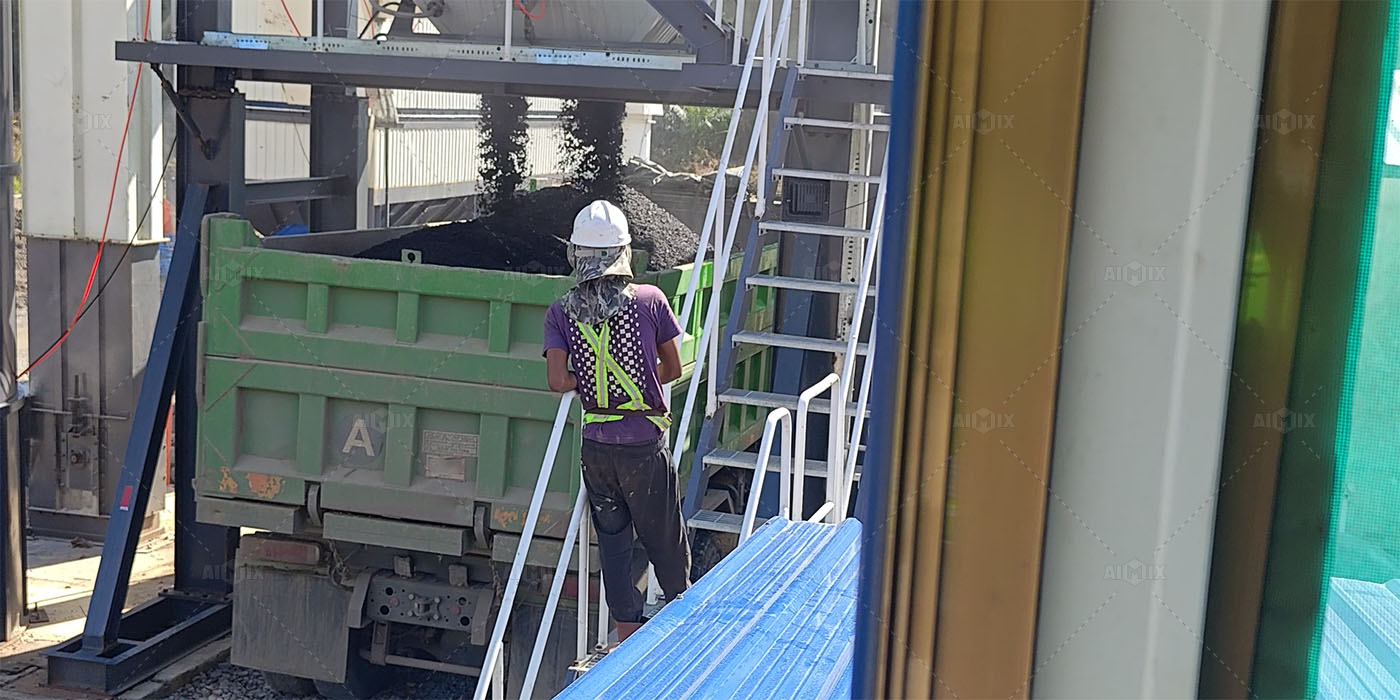
How Much Asphalt Can A 120 TPH Plant Support?
Production capacity becomes more meaningful when connected with paving quantities.
Suppose a rehabilitation team plans to place 600 tons of asphalt during one working shift. A 120 TPH plant has enough nominal capacity for this target. Even with production interruptions, the plant may supply the paving team if logistics remain stable.
However, the same plant may become restrictive if the project requires more than 1,000 tons during a short night-work window.
In that situation, contractors should evaluate longer production hours, a higher-capacity plant, additional production capacity, or a revised paving schedule.
Therefore, the calculation should start with the paving requirement rather than the plant catalogue.
Example Calculation For A Rehabilitation Section
Consider a simplified rehabilitation section with the following conditions:
- Rehabilitation length: 2 km
- Paved width: 7.5 m
- Average asphalt thickness: 0.05 m
- Approximate asphalt density: 2.35 t/m³
The approximate asphalt volume would be:
2,000 × 7.5 × 0.05 = 750 m³
The approximate asphalt mass would then be:
750 × 2.35 = 1,762.5 tons
This example shows why plant capacity alone cannot determine project suitability. If the contractor wants to complete the section within a short closure period, 1,762.5 tons creates a much larger production and logistics requirement.
The contractor should therefore compare the required tonnage with available paving hours, truck cycle time, plant production, storage capacity, and traffic restrictions.
Plant Location May Matter More Than Plant Capacity
A common mistake is to focus only on TPH. Highway rehabilitation can make transportation distance equally important.
Asphalt must reach the paving site within suitable temperature and delivery conditions. Long haul distances can increase fuel consumption, truck requirements, waiting time, and temperature-management challenges.
Therefore, a well-located 120 TPH plant may perform better for a specific project than a larger plant located much farther away.
This is one reason contractors should evaluate the entire asphalt concrete mixing plant system together with the proposed site location.
Calculate Truck Requirements Before Buying
Truck capacity and cycle time should match plant production.
For example, if one truck carries 25 tons, a 120 TPH plant needs roughly 4.8 truckloads per production hour at full rated output.
That means one loaded truck needs to leave the plant roughly every 12.5 minutes. The real fleet requirement becomes higher when considering loading, travel, unloading, return trips, traffic conditions, and standby time.
Consequently, contractors should calculate the truck fleet before finalizing the plant location and capacity.
What Should Malaysian Contractors Check Before Buying?
Capacity is only one part of the purchasing decision. A highway contractor should evaluate the entire production system.
Check The Required Mix Design
First, confirm the asphalt mixtures required by the project documents. Then verify whether the proposed plant can meet the relevant project specifications.
Do not select a plant only because its catalogue shows 120 TPH. The plant should also provide the required production control and mix flexibility.
Check Aggregate Handling
Aggregate supply can directly affect production stability. Review cold-bin capacity, feeding accuracy, dryer performance, screening, hot-bin capacity, and dust collection.
Malaysia’s tropical climate also makes moisture management important. Wet aggregates require more drying energy and can reduce effective production efficiency.
For that reason, contractors should consider local aggregate sources and typical moisture conditions when evaluating the dryer and burner system.
Check Asphalt And Fuel Systems
The asphalt storage and feeding system should match the expected production schedule.
Fuel selection should also consider local availability, operating cost, burner performance, and project requirements.
Furthermore, the contractor should understand expected fuel consumption at the planned production rate. This helps estimate the actual operating cost rather than focusing only on equipment purchase price.
Check Automation And Quality Control
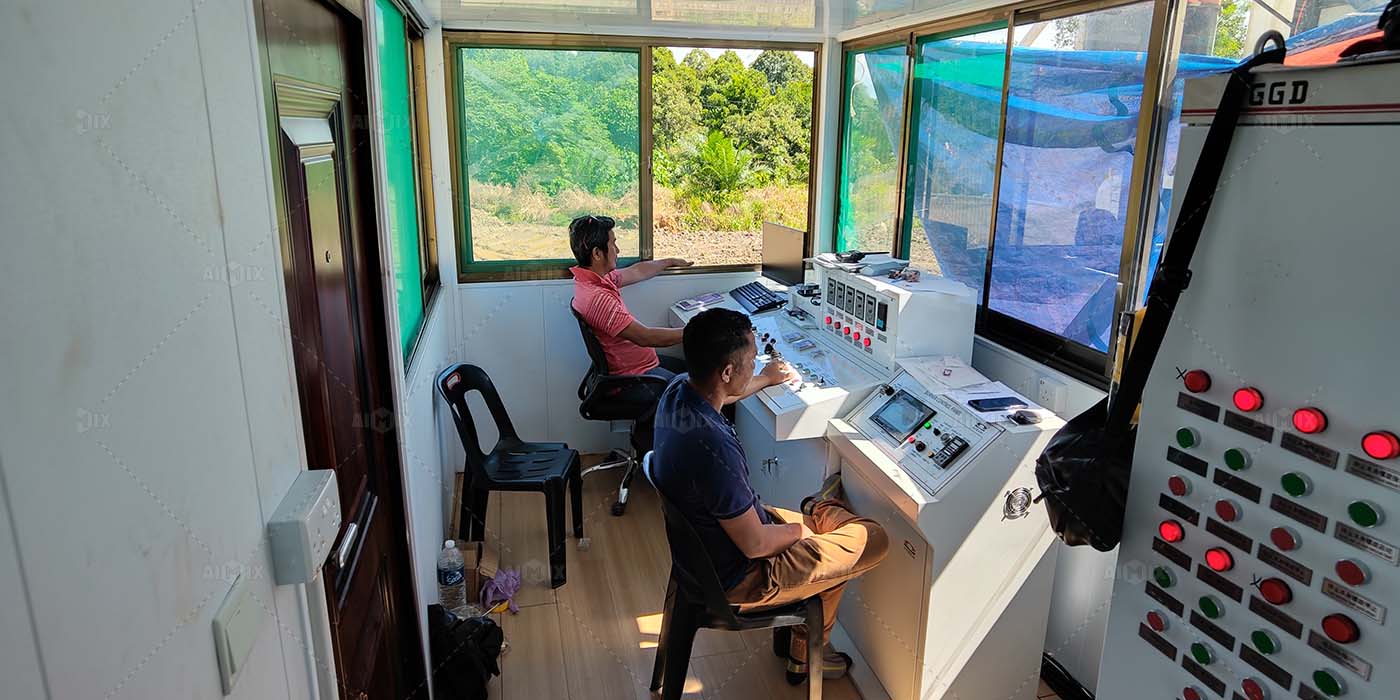
A modern control system should help operators monitor aggregate proportions, temperatures, production data, and mix parameters.
This becomes especially valuable when the project requires repeatable production over long shifts.
Good automation can also help reduce operator errors. However, contractors should still consider operator training and technical support as part of the overall system.
Check Installation And After-Sales Support
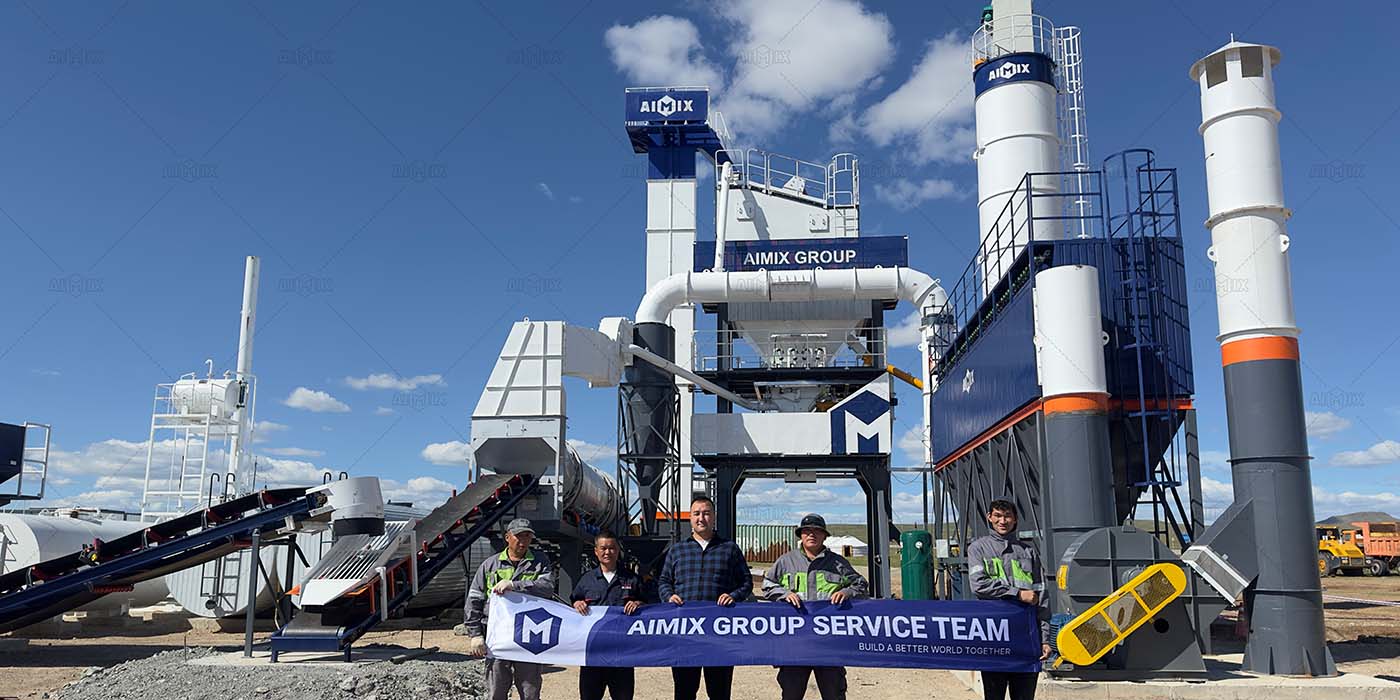
Highway projects cannot afford extended equipment downtime. Therefore, contractors should evaluate installation support, commissioning, operator training, spare-parts availability, and technical response time.
A supplier that can provide engineering support before installation can also help reduce site-level problems later.
This is particularly important for contractors working under strict rehabilitation schedules. A plant that performs well on paper still needs proper installation and commissioning to achieve reliable field production.
When Is 120 TPH Not Enough?
A 120 TPH asphalt batch plant is not automatically suitable for every PLUS highway rehabilitation project.
It may be too small when the project has very high daily asphalt demand, extremely short paving windows, multiple paving crews, or long production shifts with little tolerance for downtime.
For example, a contractor targeting 1,200 tons during an eight-hour shift would need an average of 150 TPH. A 120 TPH plant could not achieve that target through rated capacity alone.
In contrast, a 120 TPH plant may be well matched to medium-scale rehabilitation sections, staged maintenance work, toll plaza repairs, lane rehabilitation, and projects where daily asphalt demand remains within its practical production range.
The key is to match the plant with the project schedule rather than selecting the largest available capacity.
120 TPH Versus A Larger Asphalt Plant
Choosing a larger plant can appear safer. However, bigger capacity also brings higher equipment investment, fuel demand, aggregate handling requirements, and potentially greater logistical needs.
Therefore, contractors should avoid buying excess capacity without a clear project pipeline.
| Factor | 120 TPH Batch Plant | Larger Capacity Plant |
|---|---|---|
| Medium rehabilitation work | Strong fit | May provide excess capacity |
| Large multi-section program | Needs careful scheduling | Better production margin |
| Investment level | Moderate | Higher |
| Mix flexibility | High with suitable configuration | High |
| Underutilization risk | Lower for medium projects | Higher if project demand is limited |
In other words, the right question is not simply, “Is 120 TPH large enough?” The better question is, “Can 120 TPH meet my paving schedule at the lowest practical total project cost?”
How To Decide If 120 TPH Fits Your PLUS Highway Project
A practical evaluation can follow five steps.
Step 1: Calculate Daily Asphalt Demand
Estimate asphalt tonnage from pavement area, thickness, density, and daily work targets.
Step 2: Define The Available Paving Window
Determine how many hours the paving crew can work each day. Night work and traffic diversions can significantly affect this number.
Step 3: Match Plant Output With Truck Capacity
Calculate the truck cycle and fleet size. The plant should not produce asphalt faster than trucks can transport the mix to the paver.
Step 4: Evaluate Plant Location
Measure the actual road distance between the plant and work zone. Then consider traffic, travel time, fuel, and asphalt temperature management.
Step 5: Compare Total Project Cost
Finally, compare equipment investment with fuel, labor, transport, maintenance, downtime, and utilization.
This approach gives contractors a more reliable purchasing decision than comparing plant prices alone.
Is 120 TPH A Practical Choice For Malaysia?
For many Malaysian highway rehabilitation projects, a 120 TPH asphalt batch plant can be a practical and balanced choice.
It offers substantial production capacity without automatically pushing the contractor into an oversized plant. It can also provide controlled batch production for projects where asphalt consistency matters.
At the same time, contractors should not assume that one capacity suits every PLUS project. Daily asphalt demand, paving windows, haul distance, truck availability, aggregate supply, and mix requirements can change the calculation significantly.
For projects that require controlled batch production and hot-mix asphalt, a batch type hot mix plant can also be evaluated as part of the equipment selection process.
Ultimately, the plant should be selected according to actual project demand. The goal is not to maximize the TPH number. The goal is to maintain stable asphalt supply to the paving crew while controlling the total cost of production and transportation.
Final Takeaway For Contractors
A 120 TPH asphalt batch plant can be suitable for many PLUS highway rehabilitation applications in Malaysia. However, capacity should never be the only selection criterion.
Start with the actual paving target. Then calculate production hours, truck cycles, haul distance, asphalt demand, and mix requirements. After that, select the plant configuration that can deliver consistent output without creating unnecessary investment or logistics pressure.
For contractors preparing for Malaysian highway rehabilitation projects, this project-based approach can reduce equipment selection risks. It also provides a clearer basis for estimating production costs and scheduling asphalt deliveries.
If you are considering a 120 TPH asphalt batch plant for PLUS highway rehabilitation, share your expected asphalt tonnage, paving hours, project location, haul distance, and required mix. A project-specific assessment can then show whether 120 TPH is the right capacity for your work.