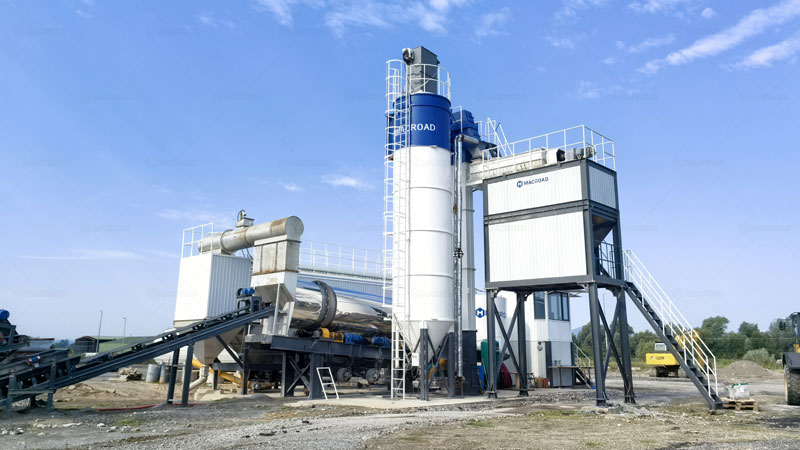
Latin America’s transportation infrastructure is undergoing a remarkable transformation. From major cross-border commercial corridors to remote mountain access roads, governments and private enterprises across South and Central America are investing heavily in modernizing highway networks. To execute these massive undertakings efficiently, construction enterprises require heavy machinery that offers robust performance, minimal operational downtime, and high-yield output. At the center of this infrastructure boom is the strategic selection of a high-capacity asphalt plant(planta asfáltica) capable of producing consistent hot mix asphalt across varying terrain and weather conditions.
Investing in advanced mixing technology allows contractors to maintain direct control over asphalt quality, eliminate dependency on external suppliers, and optimize overall project timelines. As competitive bidding across the region demands strict adherence to budgets and execution schedules, selecting the right machinery direct from reliable manufacturers ensures both immediate productivity gains and a rapid return on investment (ROI). Understanding local market demands, operational logistics, and site-specific needs is fundamental to establishing a profitable material production pipeline.
Key Drivers Behind Latin American Infrastructure Demand
Across Latin America, road building and civil infrastructure projects are expanding at an unprecedented rate. Economic growth in sectors such as mining, agriculture, international trade, and urban logistics relies heavily on reliable road networks. Consequently, contractors must equip themselves with modern asphalt machinery to meet tough technical specifications and stringent completion deadlines.
Overcoming Diverse Regional Topography
Geographical diversity is one of the most significant challenges for highway contractors in South America. Projects span from humid coastal areas and dense rainforests to high-altitude mountain passes over 4,000 meters above sea level. Operating a versatile asphalt plant under such varied conditions requires high-efficiency burners, altitude-compensated air delivery systems, and durable mechanical components designed to withstand severe ambient temperature changes.
Securing Reliable Equipment Solutions
To keep pace with tight delivery schedules, project managers actively evaluate every available asphalt plant for sale on the market. Selecting high-grade mixing machinery minimizes unscheduled downtime, reduces energy consumption per ton of mix, and helps contractors maintain exact bitumen-to-aggregate proportions required by municipal highway authorities.
Analyzing Mobility: Mobile Asphalt Plant Price Factors and Benefits
For contractors involved in linear paving projects—such as multi-state highways, rural bypasses, or temporary access roads—relocating fixed infrastructure for every new section can be prohibitively expensive. This dynamic has driven widespread adoption of mobile equipment across the region. However, understanding the mobile asphalt plant price structure is essential before making a capital investment.
Several key variables influence the overall mobile asphalt plant price(planta de asfalto móvil precio) in today’s machinery market:
- Production Capacity: Equipment output ranging from 40 to 160 tons per hour directly impacts initial purchase costs and fuel efficiency.
- Chassis Integration: Fully wheel-mounted configurations with integrated pre-wiring significantly speed up assembly and disassembly on remote job sites.
- Burner Technology: Multi-fuel capabilities (diesel, heavy fuel oil, natural gas) allow operators to adapt to local fuel availability and keep fuel expenses low.
- Control Automation: Computerized PLC control systems increase precision during batching while reducing human error and operator labor costs.
While the initial mobile asphalt plant price might represent a tailored investment compared to basic stationary units, the financial savings in site preparation, rapid relocation, and reduced haulage distances deliver an exceptionally fast payback period.
Regional Spotlight: Deploying an Asphalt Plant Peru Contractors Rely On
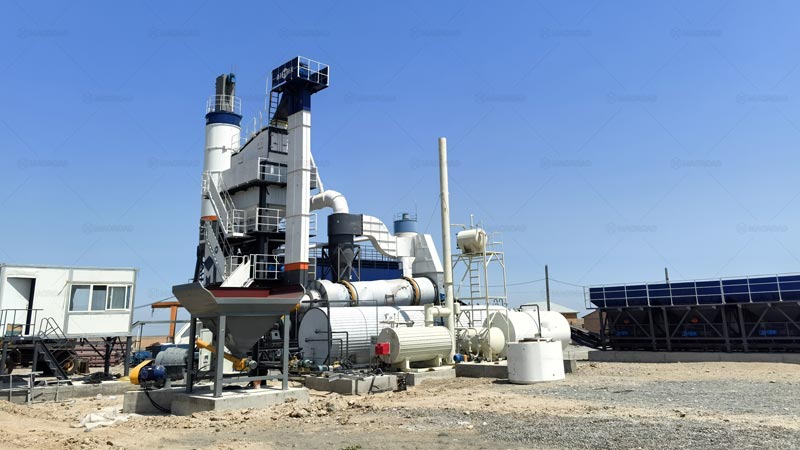
Peru serves as a prime example of Latin America’s demanding construction landscape. Extending from the Pacific coast across the Andes mountains to the Amazon basin, highway construction in Peru demands exceptionally resilient machinery. Finding an asphalt plant Peru operators can depend on requires careful attention to component durability and thermal efficiency.
When operating at high elevations in Andean regions, air density decreases, which impacts burner combustion efficiency and drying performance. A high-spec asphalt plant Peru setup incorporates forced-draft burner systems and customized dry dust collection filters to maintain optimal thermal exchange. Contractors utilizing tailored asphalt plant Peru units report higher daily mix output, lower fuel consumption, and full compliance with strict environmental regulations.
Furthermore, establishing local technical support and ready availability of spare parts ensures that an asphalt plant Peru(planta de asfalto Perú) project maintains continuous operation without costly project delays during critical paving seasons.
Equipment Comparison for Optimal Project ROI
Selecting the ideal machine type depends on project scope, duration, mobility needs, and capital budgets. The table below outlines how different plant configurations compare in terms of operational advantages and financial returns when contractors evaluate an asphalt plant for sale(contratistas evalúan una planta de asfalto en venta).
| Plant Configuration | Mobility Level | Capacity Range | Primary Financial Advantage |
|---|---|---|---|
| Stationary Batch Mix Plant | Low (Concrete Foundations) | 80 – 400 tph | Highest mix accuracy and durability for large-scale urban infrastructure. |
| Continuous Drum Mix Plant | Moderate (Semi-Portable) | 40 – 300 tph | Lower initial capital expenditure and continuous high-volume output. |
| Mobile Batch Plant | High (Tractor-Towed Chassis) | 60 – 160 tph | Minimal setup time, lower foundation costs, and reduced haulage expense. |
Whether choosing continuous drum plants or high-precision batch units, aligning machine capacity with contract requirements ensures high operational efficiency and quick cost recovery.
Strategic Recommendations for Long-Term Profitability
To maximize profitability across Latin American road construction contracts, machinery procurement must be treated as a strategic long-term investment. Project managers should prioritize fuel-efficient designs, environmental compliance mechanisms, and high structural durability. Evaluating key parameters—from overall mobile asphalt plant price metrics to ongoing maintenance needs—enables decision-makers to select equipment that yields consistent asphalt quality while minimizing per-ton production costs. Ultimately, partnering with reliable manufacturers and investing in modern asphalt mixing technology provides contractors with a sustainable competitive advantage in regional road construction markets.