Winning a 30 km provincial road contract is a major opportunity for any construction company. However, before starting pavement work, contractors need to make one critical decision: choosing the right asphalt mixing plant size. The wrong choice can directly affect construction speed, production costs, asphalt quality, and overall project profit.
Many contractors initially focus only on equipment capacity. They often ask whether a larger asphalt plant can complete the project faster. However, the best solution is not always the biggest machine. A properly matched asphalt production system should balance daily asphalt demand, project schedule, transportation conditions, investment budget, and future business plans.
For a typical 30 km provincial road project, contractors usually need stable asphalt production rather than extremely high short-term output. Therefore, selecting the right capacity range is more important than simply choosing the highest tons-per-hour model.
Before purchasing equipment, many road contractors compare different plant mix asphalt solutions to understand which configuration matches their construction requirements. The final decision should consider the complete project situation, including road length, pavement thickness, working hours, aggregate supply, and local construction conditions.
This article explains how to calculate asphalt demand for a 30 km provincial road contract and provides practical guidance on selecting the most suitable asphalt mixing plant capacity.
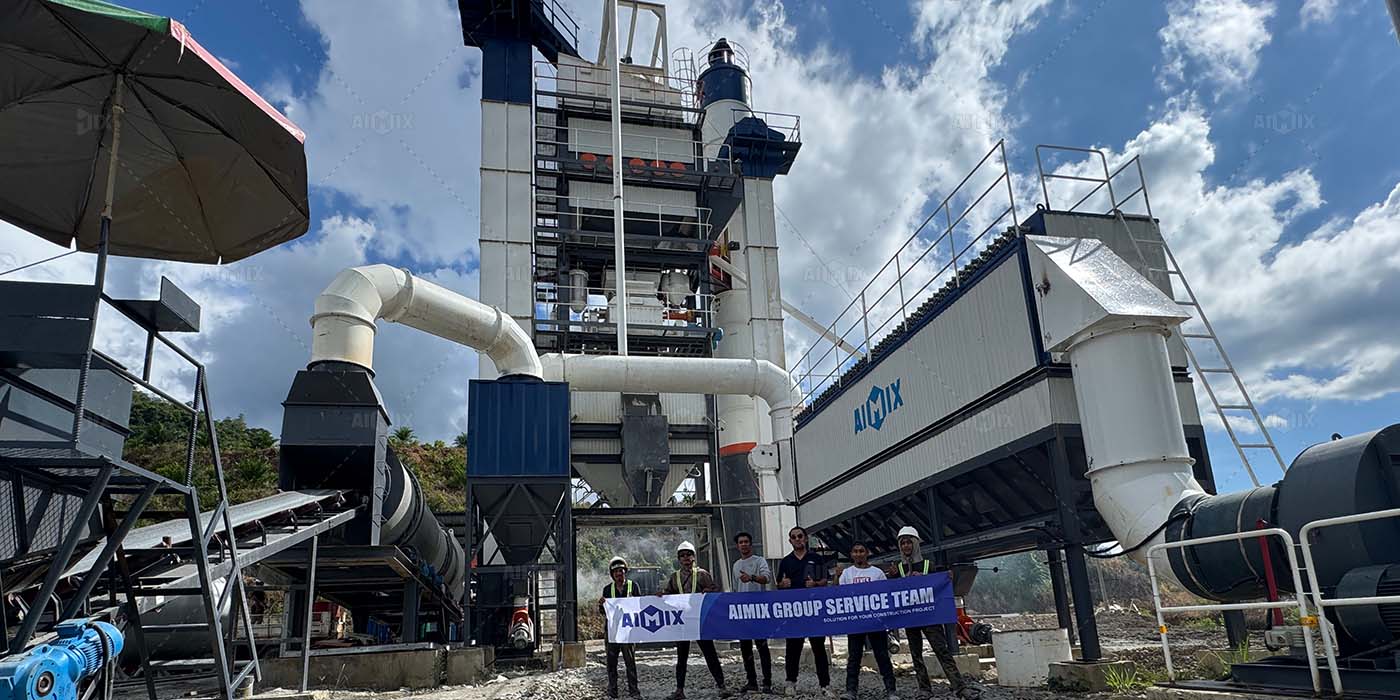
How Much Asphalt Does A 30 Km Provincial Road Project Need?
The first step in selecting an asphalt mixing plant is understanding the actual asphalt volume required. Without accurate estimation, contractors may purchase equipment that cannot meet production targets or spend extra money on unnecessary capacity.
A 30 km provincial road project can have different asphalt requirements depending on road width, pavement structure, and design standards. However, we can use a common provincial road example to understand the calculation process.
| Project Factor | Typical Value |
|---|---|
| Road Length | 30 km |
| Road Width | 7 m |
| Asphalt Layer Thickness | 5 cm |
| Asphalt Density | Approximately 2.35 t/m³ |
| Total Asphalt Mixture Demand | About 24,000-26,000 tons |
| Construction Period | 3-6 months |
Based on this calculation, the total asphalt requirement may reach approximately 25,000 tons. However, the plant capacity should not be selected according to the total quantity alone.
The more important question is: how many tons of asphalt must be produced every working day?
For example, if the contractor plans to complete the project within five months and works 25 days per month, the average daily asphalt demand is around 200 tons.
In this situation, an 80 TPH asphalt plant can easily support daily production because it can complete the required output within several hours.
However, if the project has a strict completion deadline and requires more than 600 tons of asphalt per day, a 120 TPH or 160 TPH asphalt plant becomes more suitable.
Therefore, daily production planning is the key factor when selecting plant capacity.
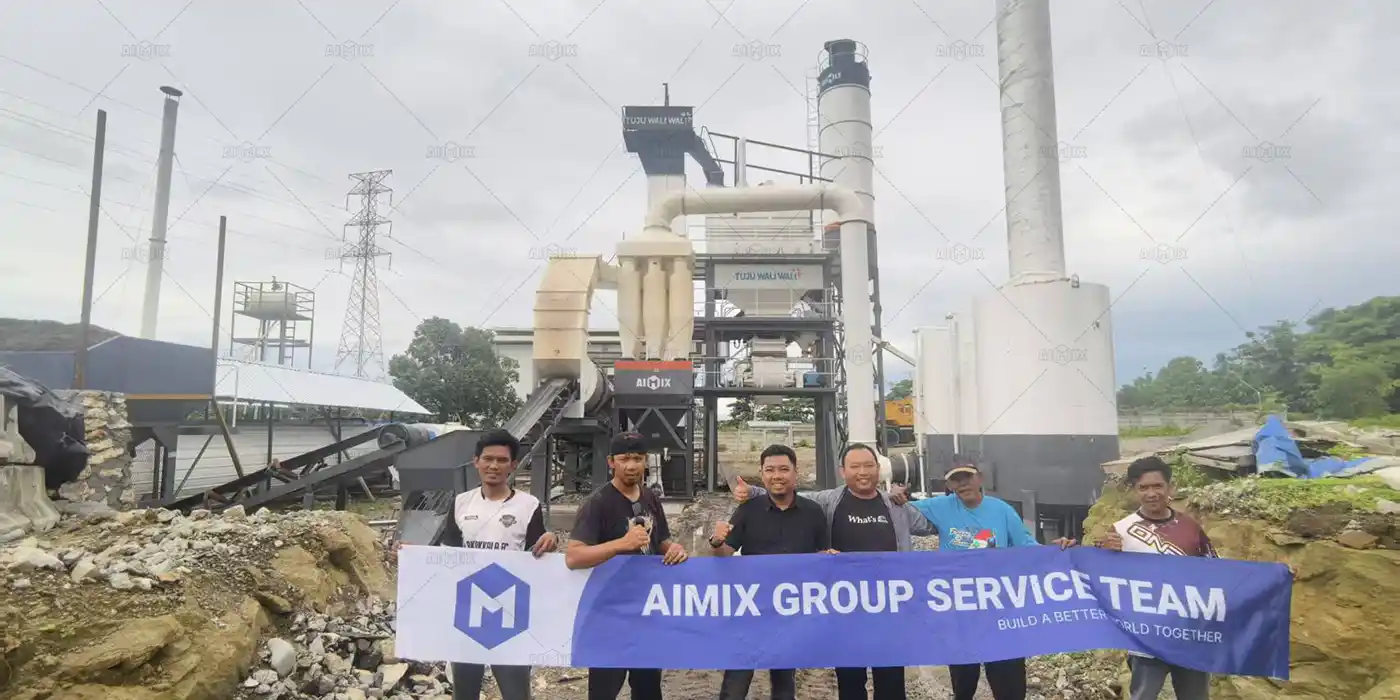
What Factors Determine The Right Asphalt Plant Size?
After calculating asphalt demand, contractors should evaluate several practical conditions. These factors often decide whether a plant can operate efficiently throughout the project.
Daily Asphalt Production Target
The first factor is the required daily output.
A road contractor with one paving team usually has a different production requirement from a contractor managing multiple paving crews. More paving equipment means higher asphalt consumption.
For example, an 80 TPH plant may perfectly support a medium provincial road project. However, a large infrastructure contractor working on several road sections at the same time may require a 120 TPH or higher-capacity plant.
Therefore, contractors should calculate production based on actual paving progress instead of only looking at the road length.
Transportation Distance Between Plant And Road Site
Transportation is another important factor that many buyers underestimate.
Asphalt mixture must arrive at the paving site while maintaining proper temperature. If the plant is located far away, trucks need more time for each delivery cycle.
For example, a project with a 10 km hauling distance may achieve high efficiency with fewer trucks. However, a remote road project with a 60 km transportation distance may require more trucks or additional production planning.
As a result, increasing plant capacity does not always improve project efficiency if transportation cannot support the output.
Construction Schedule And Weather Conditions
Provincial road projects often face uncertain weather conditions. Rainy seasons can reduce paving days and create pressure to increase production during dry periods.
Therefore, contractors should consider whether they need normal production or accelerated construction.
A smaller plant operating longer hours may meet project requirements. However, a larger plant provides more flexibility when the construction schedule becomes tighter.
Future Road Construction Opportunities
Many contractors purchase an asphalt plant because of one specific project. However, construction companies usually continue searching for new contracts after completing their current work.
If future road projects are expected, selecting a slightly larger capacity can create better long-term value.
For example, an 80 TPH plant may meet today’s project requirements, but a 120 TPH model may support additional highway maintenance contracts in the future.
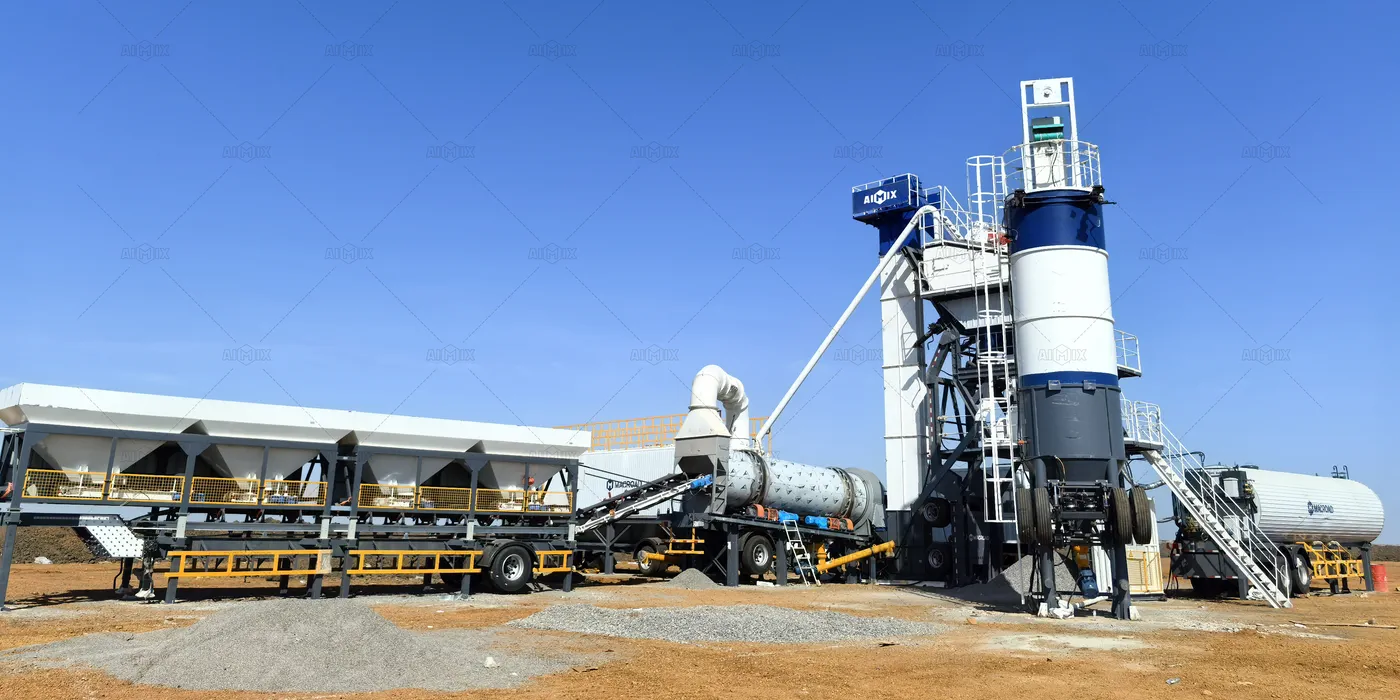
Recommended Asphalt Plant Capacity For A 30 Km Provincial Road Contract
After considering production demand and project conditions, contractors can compare different capacity options. The ideal choice depends on construction speed requirements, investment level, and future plans.
| Asphalt Plant Capacity | Recommended Application | Suitability For 30 Km Provincial Road |
|---|---|---|
| 40-60 TPH | Small roads, maintenance projects, low daily output | Possible, but construction speed may be slower |
| 80 TPH | Medium provincial roads and municipal projects | Common choice for 30 km road projects |
| 100-120 TPH | Faster highway construction and larger contractors | Highly recommended for flexible production |
| 160 TPH | Large infrastructure projects with strict schedules | Suitable when high daily output is required |
For most 30 km provincial road contracts, an 80 TPH to 120 TPH asphalt mixing plant provides the best balance between investment and productivity.
An 80 TPH model usually meets normal provincial road construction requirements. Meanwhile, a 100-120 TPH plant gives contractors additional production capacity when unexpected delays occur.
For contractors looking for a complete hot asphalt production solution, selecting the right hot mix plant for sale should also include evaluating fuel consumption, maintenance requirements, automation level, and after-sales support.
Should You Choose A Stationary Or Mobile Asphalt Mixing Plant?
After deciding the required production capacity, contractors should consider another important question: should the project use a stationary asphalt plant or a mobile asphalt plant?
The answer depends mainly on project duration, construction location, relocation frequency, and future business plans. Both options have advantages, but they serve different types of road construction projects.
When Is A Stationary Asphalt Plant A Better Choice?
A stationary asphalt mixing plant is suitable when the contractor has a long-term project in one area. It provides stable production performance and works well for large road contracts, highways, airports, industrial parks, and government infrastructure projects.
Because the plant remains in one location, contractors can create a more efficient production base. They can store larger quantities of aggregates, optimize material transportation, and establish a complete quality control system.
For a 30 km provincial road project lasting several months, a stationary plant can be a good choice when the contractor expects additional nearby projects after completion.
However, contractors should also consider installation requirements. A stationary plant usually needs more preparation before operation, including foundation work, site planning, and long-term layout design.
When Is A Mobile Asphalt Plant More Practical?
A mobile asphalt plant offers greater flexibility for contractors who frequently move between different construction sites.
This advantage is especially important in regions with many road upgrading projects spread across different locations. Contractors can relocate equipment according to project schedules instead of building a new production base every time.
For example, companies working on provincial roads across islands, remote areas, or developing regions often prefer a mobile asphalt plant for sale because transportation flexibility can reduce project preparation time.
However, mobility should not be the only consideration. Contractors should also evaluate production capacity, local service availability, spare parts supply, and long-term operating costs.
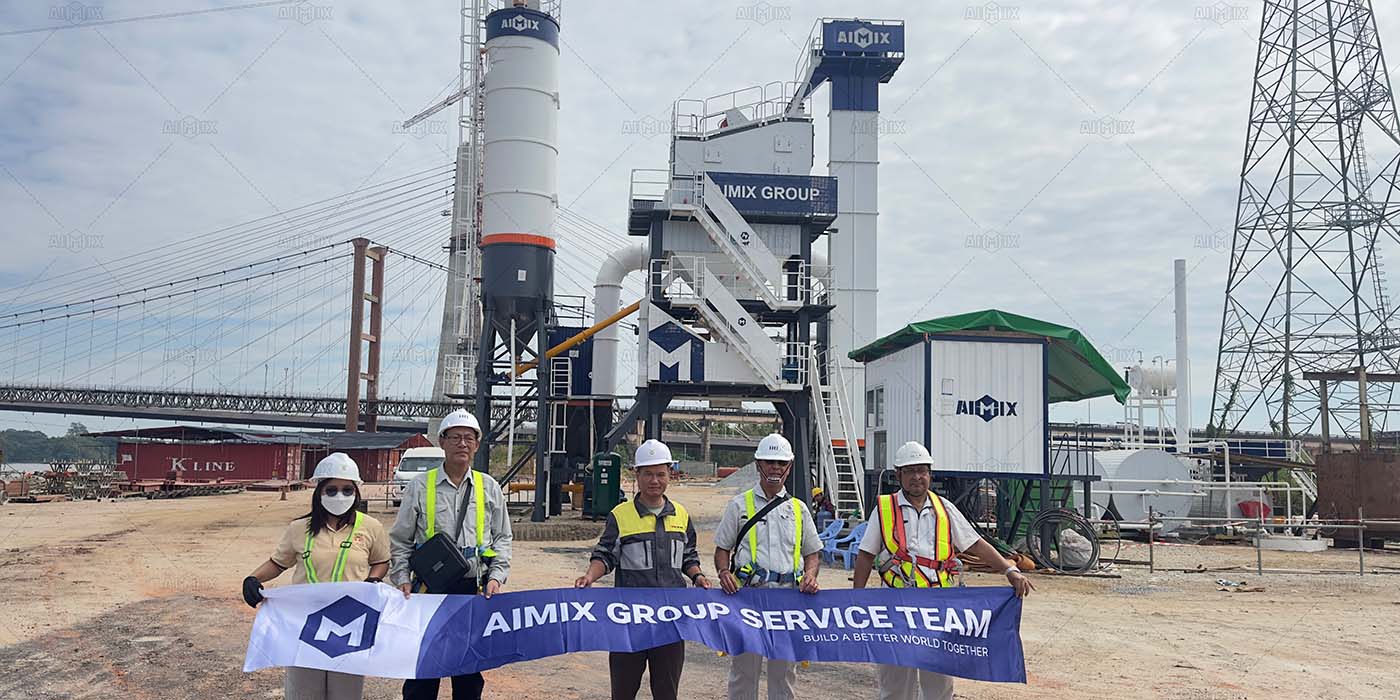
Should You Select A Batch Asphalt Plant Or Drum Mix Plant?
Besides choosing between stationary and mobile solutions, contractors also need to understand asphalt mixing technology. Different mixing methods influence asphalt quality, production flexibility, and operating costs.
The two common options are batch asphalt plants and drum mix plants.
Advantages Of Batch Asphalt Mixing Plants
Batch asphalt plants produce asphalt mixture in separate batches. Each batch receives accurate weighing and mixing control.
This production method allows contractors to adjust asphalt formulas according to different road specifications.
Therefore, batch plants are widely used for projects requiring strict quality control, such as:
- Provincial highways
- Expressways
- Airport runways
- Bridge approaches
- Municipal roads
For a government-funded provincial road project, asphalt quality requirements are usually strict. Consistent aggregate grading and accurate asphalt content are important for pavement durability.
Advantages Of Drum Mix Asphalt Plants
Drum mix plants use continuous production technology. Aggregates and asphalt materials enter the drum continuously and produce asphalt mixture without stopping between batches.
This design provides advantages in simple operation and continuous output.
For contractors handling large-volume paving projects with stable asphalt formulas, drum mix plants can provide efficient production.
Among different drum technologies, many contractors compare options such as the counter flow drum mix plant because it improves heat transfer efficiency and supports continuous asphalt production.
However, contractors should select technology according to project requirements rather than only production volume. A project requiring multiple asphalt formulas may benefit more from a batch plant.
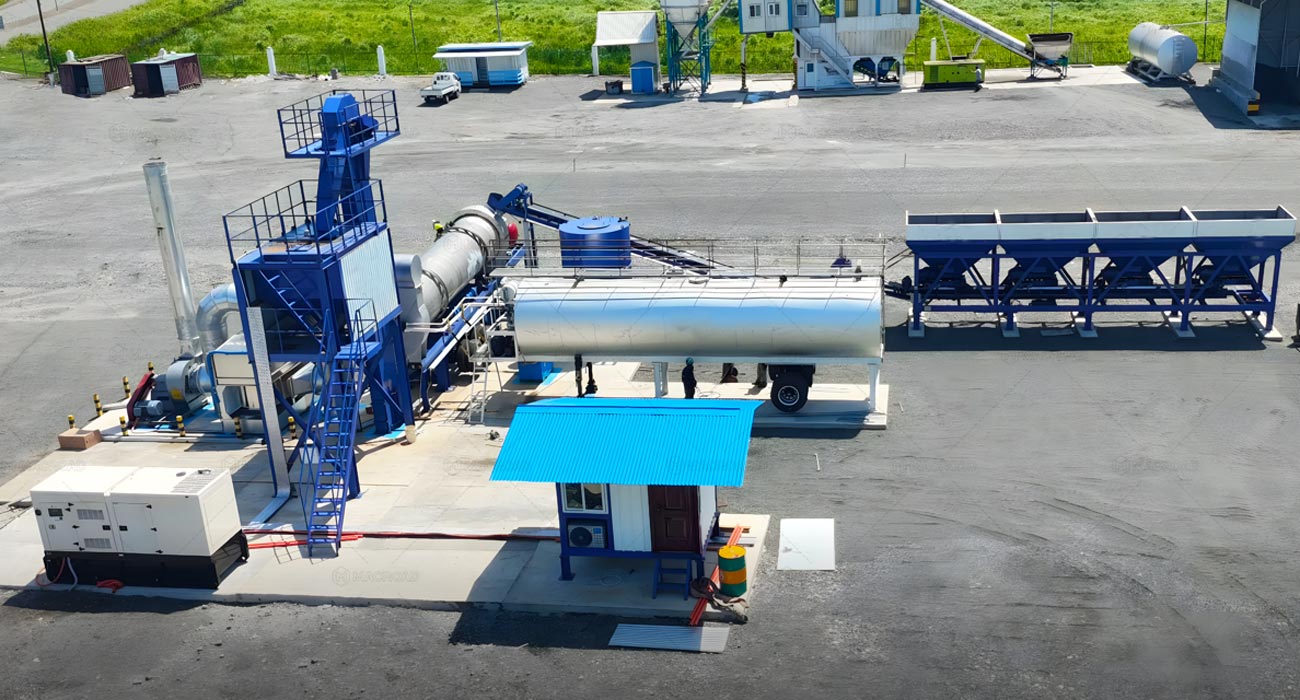
Why Supporting Equipment Also Determines Road Project Efficiency
Selecting the correct asphalt plant capacity is important. However, the complete production system determines actual project performance.
A high-capacity asphalt plant cannot achieve expected output if supporting equipment is insufficient.
Before purchasing, contractors should evaluate the following supporting systems:
Aggregate Supply And Storage
Reliable aggregate supply is essential for continuous asphalt production.
If aggregates arrive late or storage capacity is too small, the asphalt plant may stop even when the paving team is ready.
Therefore, contractors should prepare enough aggregate stock before large-scale paving begins.
Asphalt Transportation Fleet
Transport trucks directly affect asphalt delivery speed.
For example, a 120 TPH asphalt plant requires enough trucks to continuously transport hot mix asphalt to the paving site.
If trucks are insufficient, the plant must reduce production or wait for empty vehicles.
Therefore, plant capacity and truck numbers should always be planned together.
Bitumen Storage And Heating System
Bitumen requires proper heating and storage conditions.
An efficient storage system helps maintain asphalt quality and prevents production interruptions.
For long-term provincial road projects, sufficient bitumen storage capacity improves operational stability.
How Much Does Asphalt Plant Size Affect Project Cost?
Many contractors believe purchasing the cheapest asphalt plant can reduce project costs. However, the lowest purchase price does not always create the lowest total investment.
The real project cost includes several factors:
- Initial equipment investment
- Fuel consumption
- Electricity usage
- Maintenance expenses
- Labor requirements
- Transportation efficiency
- Production downtime
A plant that is too small may increase costs because the project requires longer working hours and more production days.
Meanwhile, an oversized plant may increase investment pressure because the equipment operates below its ideal capacity.
Therefore, the most economical choice is usually a plant that matches actual production demand.
Common Mistakes When Buying An Asphalt Mixing Plant For Road Projects
Many contractors have experience with road construction, but asphalt plant selection requires additional technical evaluation.
The following mistakes frequently affect project efficiency.
Choosing Capacity Only Based On Total Road Length
A 30 km road project does not automatically require a large asphalt plant.
The contractor must calculate daily asphalt demand, construction schedule, and transportation conditions.
Ignoring Future Expansion
Some contractors select the smallest possible plant to reduce initial investment.
However, if new projects arrive, the equipment may not provide enough capacity.
A slightly larger plant can create better long-term business opportunities.
Focusing Only On Equipment Price
The purchase price is only one part of the investment.
Fuel efficiency, spare parts availability, technical support, and equipment reliability also influence long-term profitability.
Not Considering Local Service Support
Road projects often operate under strict schedules.
If equipment stops during peak paving periods, delays can create significant losses.
Therefore, contractors should choose suppliers that provide installation support, operator training, spare parts, and technical assistance.
How To Select The Right Asphalt Mixing Plant For Your 30 Km Road Project
Selecting an asphalt mixing plant should follow a practical decision process.
First, calculate the total asphalt demand and required daily production.
Second, evaluate transportation distance, available trucks, and working conditions.
Third, consider whether the project requires mobility or long-term fixed production.
Finally, select a plant capacity that supports both current construction needs and future business growth.
For many 30 km provincial road contracts, an 80 TPH to 120 TPH asphalt mixing plant provides an effective balance between production efficiency and investment control.
However, every project has different requirements. The best equipment choice should come from engineering analysis rather than a simple capacity comparison.
Build A Reliable Asphalt Production System For Your Road Contract
A successful provincial road project requires more than simply purchasing an asphalt plant. It requires a complete production solution that matches your construction schedule, quality requirements, and investment goals.
The right asphalt mixing plant can help contractors maintain stable asphalt supply, reduce unnecessary operating costs, and complete projects on time.
Whether you are building a provincial highway, rural road, municipal road, or infrastructure project, professional equipment selection can create long-term value for your construction business.
If you are planning a 30 km road project and need guidance on selecting the right asphalt plant capacity, our engineering team can analyze your project requirements, including daily asphalt demand, construction conditions, and future development plans.
Contact us today to receive a customized asphalt mixing plant recommendation and build a more efficient road construction solution for your next project.