Nigeria continues to experience significant growth in building and road infrastructure. Consequently, local contractors require reliable machinery to keep active worksites running smoothly. However, fluctuating equipment costs can make financial planning difficult for construction managers. Understanding the factors behind cement mixer price in nigeria helps companies make smarter equipment investments. This guide analyzes current market pricing factors, machine types, and long-term ownership costs.
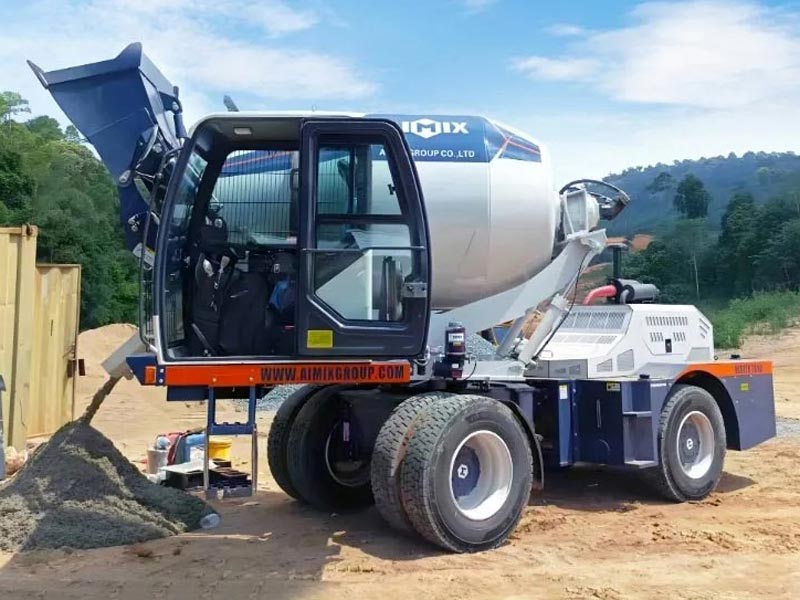
Key Factors Driving Cement Mixer Price in Nigeria
Equipment costs in West Africa depend on several distinct market and economic forces. Therefore, buyers should look beyond basic purchase prices when planning their fleet budgets.
Currency Exchange and Import Tariff Regulations
Most heavy machinery sold in Lagos or Abuja arrives from foreign manufacturing plants. Consequently, international shipping charges directly affect the final cement mixer machine price. Furthermore, foreign exchange fluctuations alter local landing costs from month to month. Local import duties and port handling fees also raise overall procurement expenses. Therefore, contractors must account for these import logistics when reviewing dealer price estimates.
Engine Specifications and Fuel Systems
The mechanical power source heavily influences overall equipment costs. Small petrol engines offer the lowest entry price for small residential projects. However, larger commercial sites require heavy-duty diesel engines to handle continuous pouring cycles. Diesel engines cost more initially, but they provide superior durability and high torque. Furthermore, diesel fuel remains more accessible on remote job sites across rural states.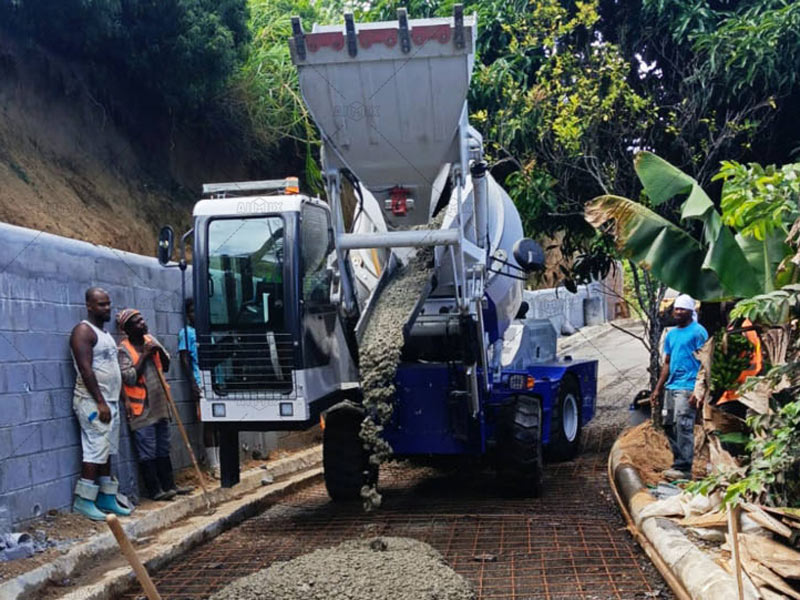
Equipment Categories and Practical Jobsite Applications
Matching machine functionality with site requirements prevents unnecessary capital expenditure. Different construction tasks demand distinct levels of mobility, output, and crew labor.
Portable Site Drums for Small Residential Projects
Compact batching mixers remain popular for urban residential renovations and masonry tasks. These basic machines feature manual loading hoppers and simple tilting mixing drums. Furthermore, small crews can move these units across soft ground easily. Because these models lack automated features, they offer the lowest purchase cost. Consequently, small contractors select these machines for low-volume daily concrete pours.
Versatile Batching Delivery with a Mobile Cement Mixer
Medium-scale commercial developments require continuous mixing and greater volume delivery. Deploying a mobile cement mixer allows teams to process materials directly beside active formwork. These truck-mounted or towed units carry dry ingredients and water in separate compartments. Next, the integrated system mixes fresh concrete right at the discharge point. Consequently, contractors eliminate pre-hydration risks and reduce transit delay costs on busy roads.
Fully Automated Output with a Self Loading Cement Mixer
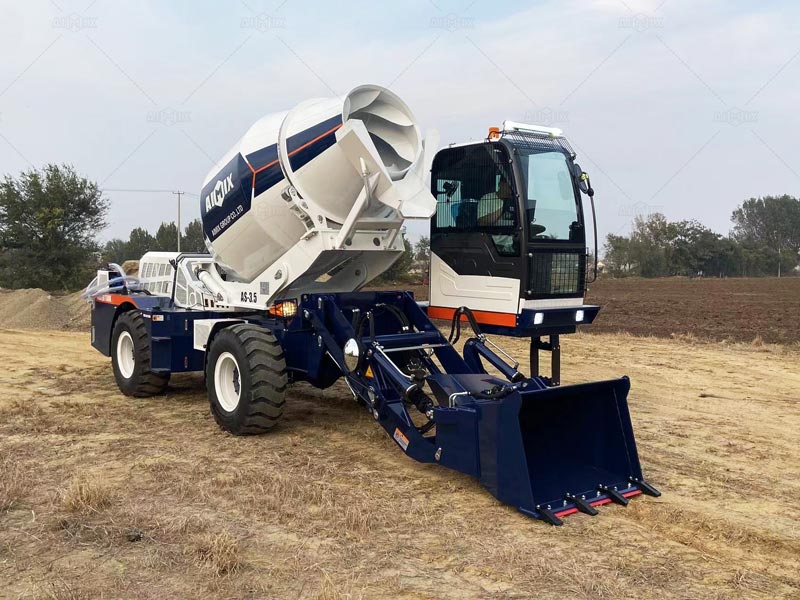
For large highway or housing developments, manual loading slows project timelines significantly. Investing in a self loading cement mixer solves this material handling bottleneck efficiently. This specialized unit scoops sand and gravel using its front loading bucket automatically. Furthermore, onboard digital scales weigh every batch to ensure accurate mix proportions. The driver manages loading, weighing, and mixing entirely from inside the cab. Therefore, this high-automation unit reduces site labor costs and accelerates daily output.
Evaluating the Total Cement Mixer Machine Price Beyond Purchase
Smart buyers evaluate total cost of ownership rather than focusing solely on sticker prices. Operating expenses over five years often exceed the initial equipment purchase cost.
Shipping Logistics and Inland Transportation Costs
Delivering heavy machinery from major ports like Apapa to inner states adds expense. Heavy equipment requires flatbed trucks and special transit permits for highway movement. Consequently, contractors working in northern regions face higher overall landing expenses. Always ask local machinery distributors if their quote includes final site delivery fees. This transparency prevents unexpected budget surprises during equipment procurement.
Maintenance Schedules and Spare Parts Sourcing
Equipment breakdowns cause costly project delays and crew downtime. Therefore, spare parts availability directly impacts your long-term operational profitability. Machinery with imported, hard-to-find components leads to extended idle time during repairs. In contrast, choosing brands with local service centers in Nigeria lowers lifetime maintenance costs. Moreover, regular filter changes and daily drum cleaning protect your financial asset.
Smart Purchasing Strategies for Nigerian Contractors
Careful planning ensures you select the right equipment without overspending your working capital. Follow these practical operational guidelines before finalizing any equipment purchase contract.
Matching Machine Drum Capacity to Actual Workloads
Buying an oversized machine wastes fuel and increases routine maintenance budgets unnecessarily. Conversely, buying an undersized unit creates site bottlenecks and overworks mechanical engines. Therefore, calculate your average daily concrete output requirements across all active sites. Choose a drum capacity that handles your typical workload comfortably with room for growth. This balanced approach protects your capital while maintaining project production rates.
Managing Site Soil Conditions and Terrain Challenges
Site terrain across various Nigerian regions presents distinct mechanical challenges. For instance, swampy areas and heavy clay soils impede light two-wheel drive vehicles. Consequently, operators should choose four-wheel drive chassis for rough off-road terrain. High ground clearance prevents chassis damage from hidden rocks and unpaved roads. Therefore, selecting rugged chassis specifications extends machine service life significantly.
Conclusion
In summary, evaluating cement mixer price in nigeria requires analyzing total long-term value. While basic site drums cost less initially, automated units reduce daily labor overhead. Choosing a mobile cement mixer or self loading cement mixer boosts site productivity on remote projects. Plan your equipment budget carefully to protect profit margins and expand your business.