The difference between batch mix plant and drum mix plant technologies reflects evolving market demands that challenge traditional equipment selection criteria. Asphalt plant manufacturers increasingly recognize that higher asphalt plant cost no longer guarantees superior project outcomes as drum mix asphalt plant efficiency improvements narrow performance gaps. Market consolidation favors high-volume continuous production that drum technology delivers more economically than batch systems. Contractors managing multiple small projects face different economics than those executing single large contracts, creating divergent equipment preferences. Understanding which project types justify batch plant investment versus scenarios favoring drum mix asphalt plant deployment requires analyzing production requirements, quality demands, and total ownership costs. This market-driven perspective helps contractors align equipment selection with current industry trends rather than relying on outdated assumptions about batch plant superiority.
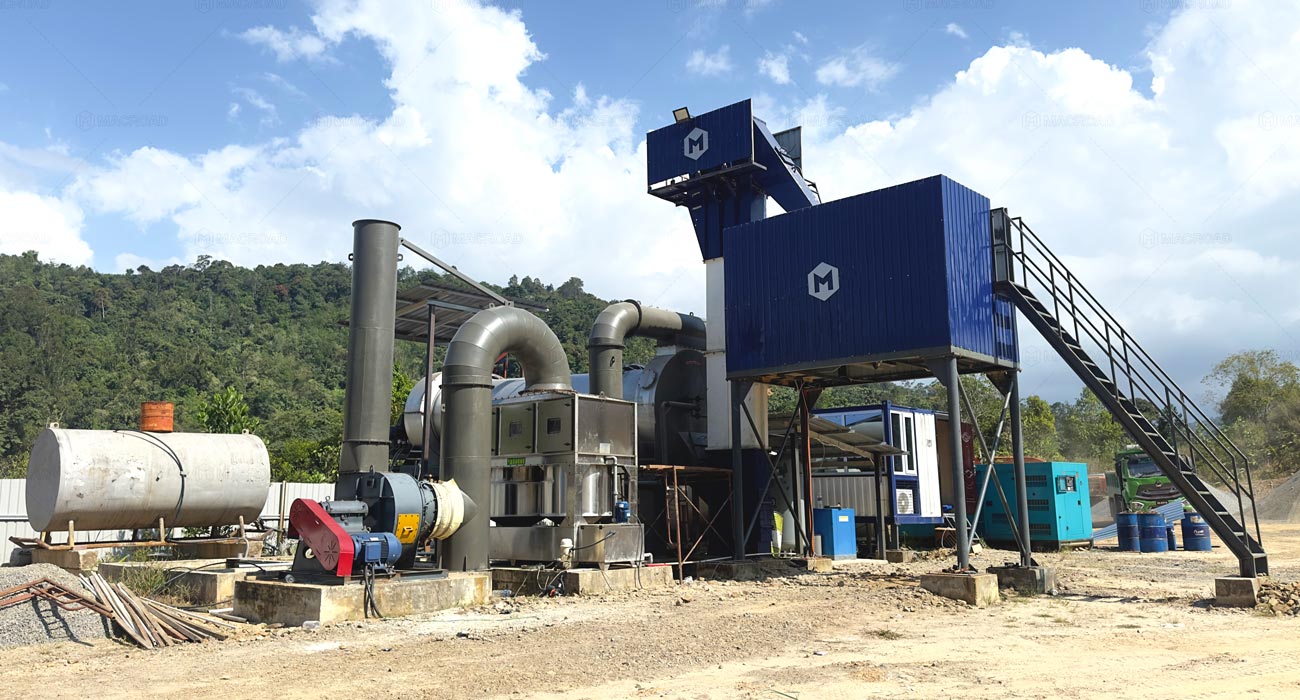
Batch Plant Justification for Complex Mix Designs and Quality Control
Batch mix plants retain competitive advantage for projects demanding frequent recipe changes and precise quality control verification. The difference between batch mix plant and drum mix plant becomes apparent when contractors must produce multiple asphalt grades simultaneously or adjust mixes rapidly based on field testing. Batch systems enable discrete quality sampling and testing between loads, providing documentation that satisfies stringent specification requirements on critical infrastructure projects. Asphalt plant manufacturers acknowledge that batch technology commands higher asphalt plant cost because it delivers superior traceability and consistency verification capabilities that drum mix asphalt plant systems cannot match.
Premium highway projects, airport pavements, and bridge approaches justify batch plant investment because specification compliance documentation proves essential for regulatory approval and warranty protection. Contractors managing complex projects with multiple asphalt grades benefit from batch technology’s flexibility in switching recipes without production interruption. Asphalt plant manufacturers report that batch plants maintain market share in specialized applications despite higher initial investment because total project costs favor superior quality control over equipment savings. Projects where rework penalties and compliance failures exceed equipment cost differentials clearly justify batch plant selection regardless of higher asphalt plant cost.
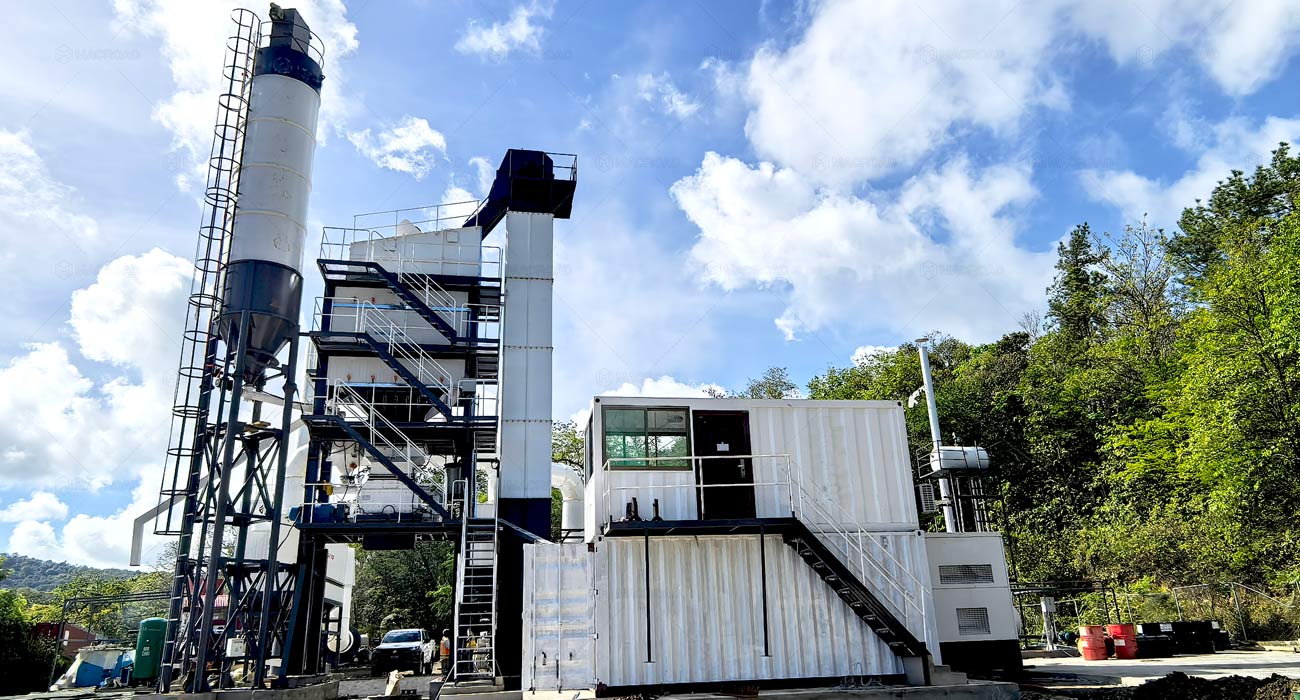
Drum Mix Plant Advantages in High-Volume Continuous Production
Drum mix asphalt plant technology dominates market growth as contractors prioritize continuous output and operational simplicity over batch flexibility. The difference between batch mix plant and drum mix plant economics shifts decisively toward drum systems on high-volume projects where continuous production maximizes equipment utilization. Asphalt plant manufacturers report that drum mix asphalt plant sales exceed batch equipment across most market segments because lower asphalt plant cost combined with simplified operation appeals to contractors managing routine paving projects. Continuous production eliminates batch cycle delays, delivering superior throughput that justifies equipment selection on time-sensitive projects.
Operational simplicity represents a significant market advantage for drum mix asphalt plant technology that asphalt plant manufacturers emphasize increasingly. Drum systems require fewer operator interventions and produce consistent output without complex recipe management. Contractors lacking specialized equipment expertise prefer drum technology’s straightforward operation that reduces training requirements and operator fatigue. The difference between batch mix plant and drum mix plant becomes economically decisive when considering total labor costs across equipment lifespans. Lower asphalt plant cost combined with reduced operator demands creates compelling economics that favor drum systems on routine municipal and regional paving contracts where quality variation remains acceptable within specification ranges.
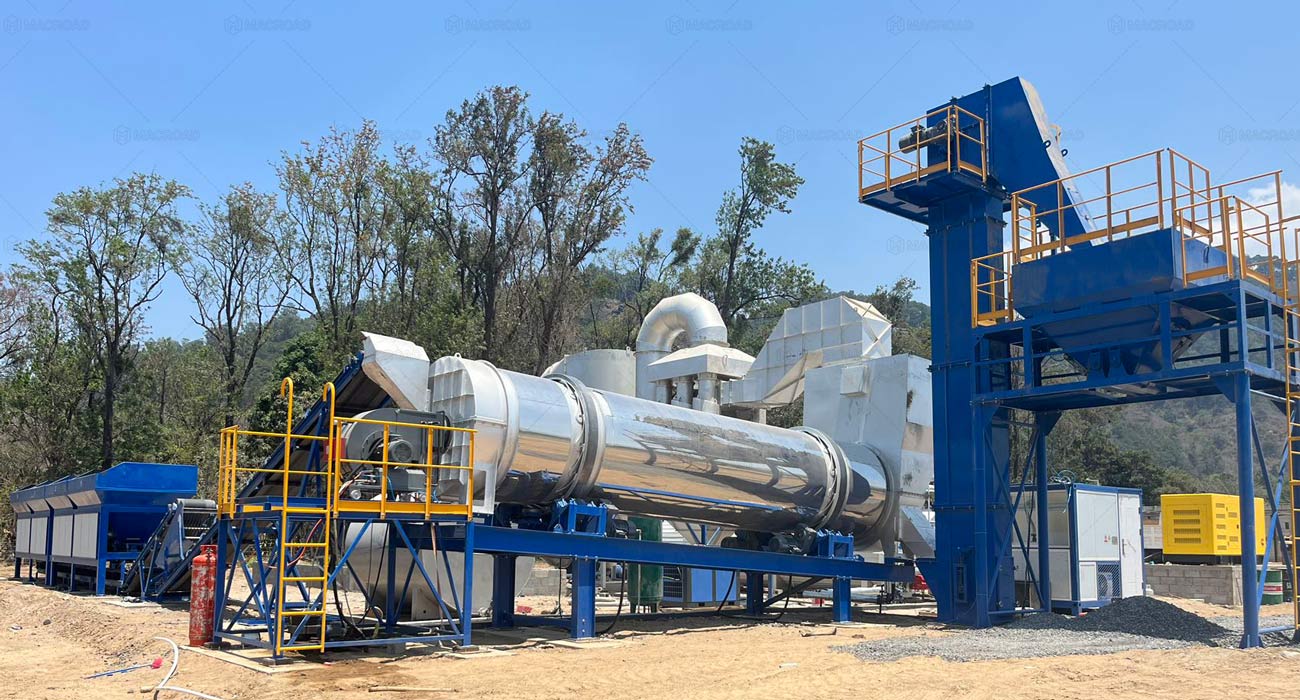
Market Consolidation Favoring Drum Technology Deployment
Industry consolidation trends increasingly favor drum mix asphalt plant deployment as major contractors standardize equipment across multiple projects. Asphalt plant manufacturers observe that large paving companies reduce equipment diversity by standardizing on drum systems, achieving economies of scale in operator training, maintenance, and spare-part inventory. The difference between batch mix plant and drum mix plant becomes less about technical capability and more about operational efficiency across large fleets. Lower asphalt plant cost enables contractors to deploy multiple drum systems simultaneously, achieving production flexibility that batch plants cannot match through equipment proliferation.
Market data from asphalt plant manufacturers indicates that drum mix asphalt plant installations now exceed batch equipment in total units deployed annually, reflecting fundamental shifts in contractor preferences. Smaller contractors increasingly adopt drum technology because lower asphalt plant cost reduces capital barriers to equipment ownership. Rental markets favor drum systems because continuous operation maximizes equipment utilization and revenue generation compared to batch technology’s cyclical production patterns. The difference between batch mix plant and drum mix plant reflects broader industry consolidation where standardization and scale economics override traditional quality control advantages that batch technology historically provided.
Conclusion
The difference between batch mix plant and drum mix plant technologies reflects evolving market trends where drum mix asphalt plant advantages in cost, continuous output, and operational simplicity increasingly outweigh batch plant benefits for routine projects. Asphalt plant manufacturers confirm that higher asphalt plant cost justifies batch equipment only for specialized applications demanding complex quality control and frequent recipe changes. Contractors should align equipment selection with specific project requirements rather than assuming batch plant superiority. This market-driven evaluation ensures equipment investment delivers genuine value aligned with current industry trends and competitive economics.