Business plans centered on portable asphalt plant for sale operations demand rigorous testing of revenue projections against asphalt plant manufacturers’ production capabilities and asphalt paver daily pace constraints. Municipal contracts require fast turnaround delivery, compressed project timelines, and predictable cost structures that portable asphalt plant for sale equipment must reliably support. Revenue assumptions built on theoretical production rates without validating asphalt plant manufacturers’ actual output specifications create unsustainable business models. Crew structure planning must align with asphalt paver requirements and portable asphalt plant for sale operational demands to prevent cost overruns. Successful business strategies require matching equipment capability, labor deployment, and delivery timing to municipal project requirements rather than pursuing aggressive revenue targets unsupported by operational reality.
Revenue Projections and Production Capacity Alignment
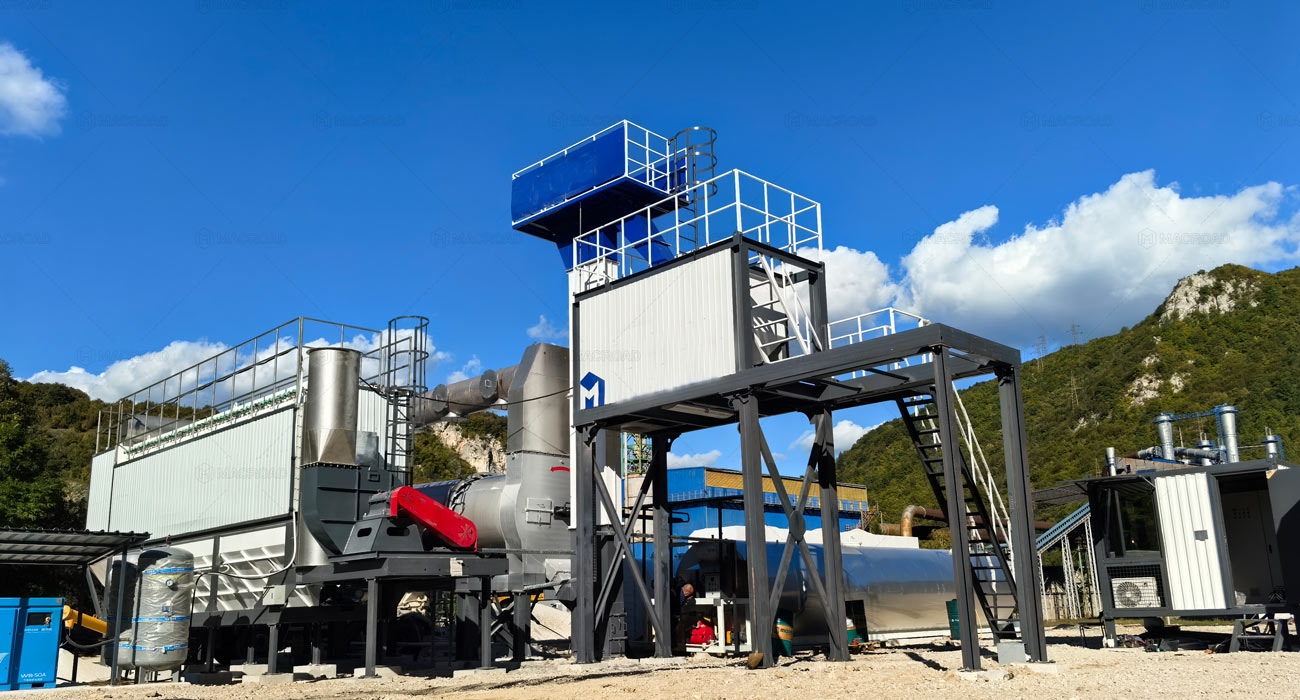
Revenue assumptions for portable asphalt plant for sale operations must derive from verified production capacity data provided by asphalt plant manufacturers rather than industry averages or optimistic estimates. Premium asphalt plant manufacturers like Macroad – road construction machinery manufacturer document realistic hourly output specifications accounting for startup time, maintenance intervals, and quality control procedures. Portable asphalt plant for sale equipment typically produces 40-60 tons per hour under optimal conditions, yet business plans must incorporate 25-35% capacity derating accounting for weather delays, equipment maintenance, and production quality requirements. Municipal contracts demanding fast turnaround typically require 200-400 ton daily output across 8-10 hour operating windows—calculations that demand precise alignment between portable asphalt plant for sale capacity and contract specifications. Business planners must validate that asphalt plant manufacturers’ documented production rates support projected revenue targets before committing capital investment.
Municipal job acquisition strategy must incorporate realistic delivery timing expectations derived from asphalt paver daily pace requirements and portable asphalt plant for sale production scheduling. Small municipal repair projects typically require 150-300 tons of material delivered within 2-3 day windows, demanding portable asphalt plant for sale systems capable of rapid mobilization and sustained production. Business plans assuming portable asphalt plant for sale equipment can immediately commence production underestimate 4-6 hour setup requirements, initial quality testing, and asphalt paver crew coordination procedures. Revenue projections must account for equipment setup time, initial batch testing, and potential production delays before material reaches asphalt paver crews. Asphalt plant manufacturers provide realistic production timelines only when business planners request detailed deployment procedures and operational protocols. Successful business models incorporate conservative revenue assumptions reflecting actual portable asphalt plant for sale deployment timelines rather than theoretical maximum production capacity.
Crew Structure and Labor Cost Optimization
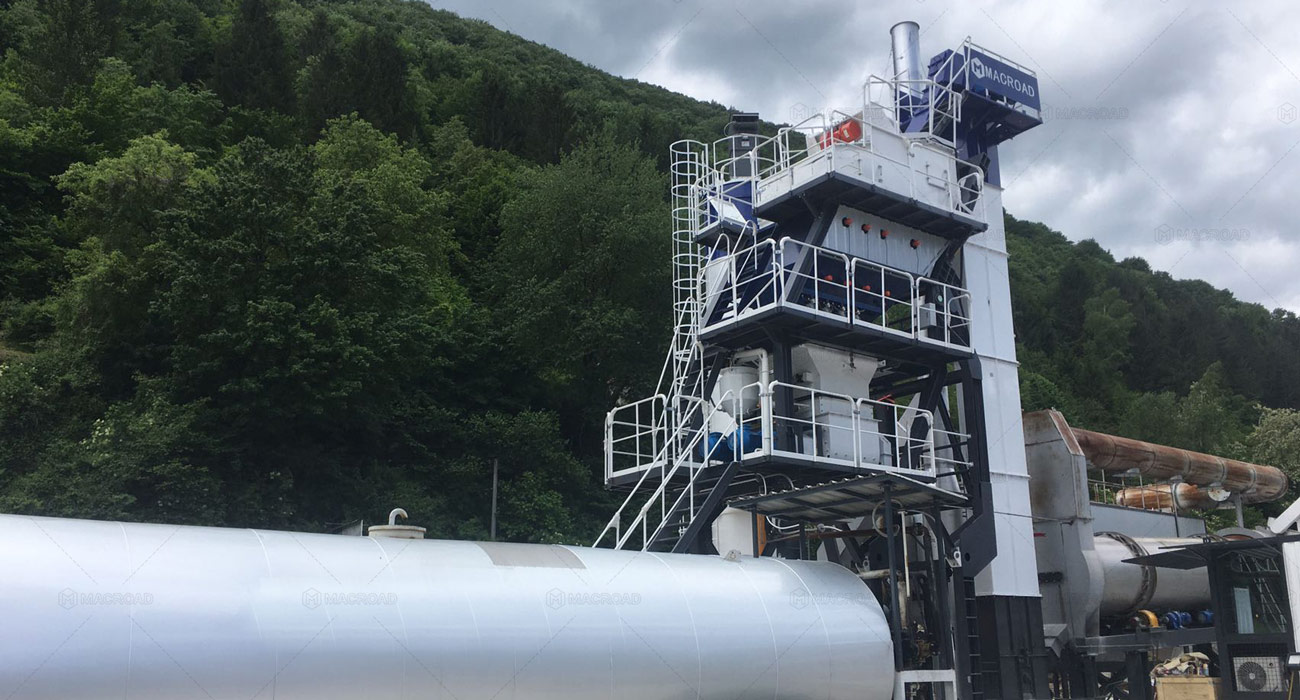
Crew structure planning for portable asphalt plant for sale operations must balance equipment operational requirements against labor cost constraints determining business profitability. Minimum crew configuration requires equipment operator, quality control technician, and truck coordination specialist—three positions essential for reliable portable asphalt plant for sale operation supporting asphalt paver deployment. Municipal contracts with compressed timelines demand experienced crew members capable of rapid troubleshooting and adaptive production scheduling rather than entry-level personnel requiring extensive supervision. Business plans underestimating labor requirements create operational bottlenecks where insufficient crew capacity prevents portable asphalt plant for sale systems from sustaining required production rates. Asphalt plant manufacturers like Macroad – road construction machinery manufacturer design systems enabling smaller crew sizes through automated controls and simplified monitoring procedures, reducing labor cost burden compared to traditional equipment.
Crew scheduling flexibility represents a critical business planning factor determining profitability on municipal contracts with variable project durations and unpredictable timelines. Business models assuming consistent crew deployment across multiple simultaneous projects often experience labor cost overruns when project schedules compress or overlap unexpectedly. Successful portable asphalt plant for sale operations employ flexible staffing arrangements incorporating part-time personnel, cross-trained technicians, and subcontractor relationships enabling rapid crew scaling. Municipal job characteristics demand crew availability during compressed project windows—business plans must incorporate overtime premiums, standby compensation, and crew retention strategies ensuring personnel availability when contracts materialize. Labor cost analysis must account for 15-25% premium compensation reflecting municipal project uncertainty and compressed timeline requirements. Business planners must validate that portable asphalt plant for sale equipment selection supports efficient crew utilization rather than creating labor-intensive operational requirements that undermine profitability.
Delivery Timing and Asphalt Paver Synchronization
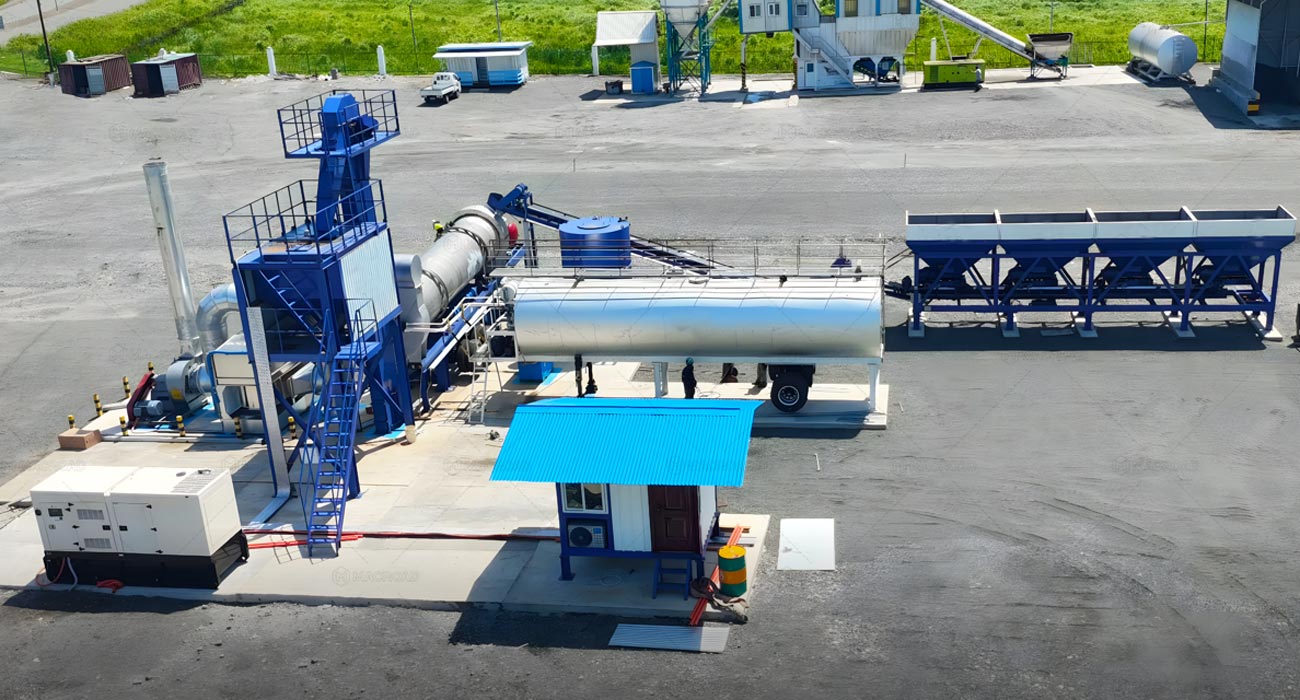
Delivery timing coordination between portable asphalt plant for sale operations and asphalt paver daily pace determines whether municipal contracts achieve schedule compliance or experience cost-escalating delays. Asphalt paver crews typically operate 6-8 hour production windows requiring consistent material supply at 50-80 tons per hour—production rates that demand portable asphalt plant for sale systems capable of sustained output without interruption. Business plans must incorporate realistic material transport time accounting for haul distance, traffic conditions, and truck availability. Municipal projects often require 30-45 minute haul distances from portable asphalt plant for sale location to paving site—calculations that demand precise batch timing preventing material arrival delays that interrupt asphalt paver operations. Business planners must validate that portable asphalt plant for sale equipment production rate exceeds asphalt paver consumption rate by 15-20% margin ensuring continuous material supply without stockpiling excess inventory.
Material temperature management during delivery represents a critical timing factor influencing whether asphalt paver crews receive usable material or experience placement failures requiring rework. Portable asphalt plant for sale systems must discharge material at elevated temperatures accounting for transport cooling and ambient conditions—a requirement that asphalt plant manufacturers address through optimized burner controls and thermal management systems. Business plans assuming standard material temperatures without accounting for cooling losses create operational failures where material arrives below minimum placement specifications. Successful municipal contract execution requires portable asphalt plant for sale equipment capable of coordinating discharge timing with truck departure and asphalt paver crew positioning. Macroad – road construction machinery manufacturer systems incorporate digital production management enabling real-time coordination between equipment operation and paving crew advancement rates. Business models must incorporate equipment capability assessment confirming that portable asphalt plant for sale systems support synchronized delivery timing preventing asphalt paver delays or material temperature failures that compromise project profitability.
Conclusion
Business plans centered on portable asphalt plant for sale operations require rigorous testing of revenue assumptions against asphalt plant manufacturers’ documented production capabilities and asphalt paver daily pace requirements. Municipal contracts demand crew structures balancing operational efficiency against labor cost constraints while maintaining delivery timing precision preventing asphalt paver interruptions. Successful business strategies incorporate conservative revenue projections, realistic crew deployment models, and synchronized delivery timing derived from verified equipment specifications rather than theoretical maximums. Business planners must validate that portable asphalt plant for sale selections support municipal project requirements before committing capital investment. Professional business development recognizes that equipment capability, crew efficiency, and delivery coordination determine profitability on fast-turnaround municipal contracts more significantly than aggressive revenue targeting.