Infrastructure acceleration globally is reshaping how asphalt plant suppliers design equipment and market strategies, with contractors demanding faster deployment, operational flexibility, and consistent production quality. The difference between batch mix plant and drum mix plant technologies continues influencing purchasing decisions, yet asphalt plant suppliers increasingly recognize that market segmentation by project type—rather than technology alone—determines competitive success. Asphalt drum mix plant innovations addressing continuous production efficiency compete alongside batch mix plant advantages in flexibility and material handling, forcing asphalt plant suppliers to develop hybrid solutions and specialized configurations matching diverse infrastructure project requirements rather than pursuing single-technology dominance.
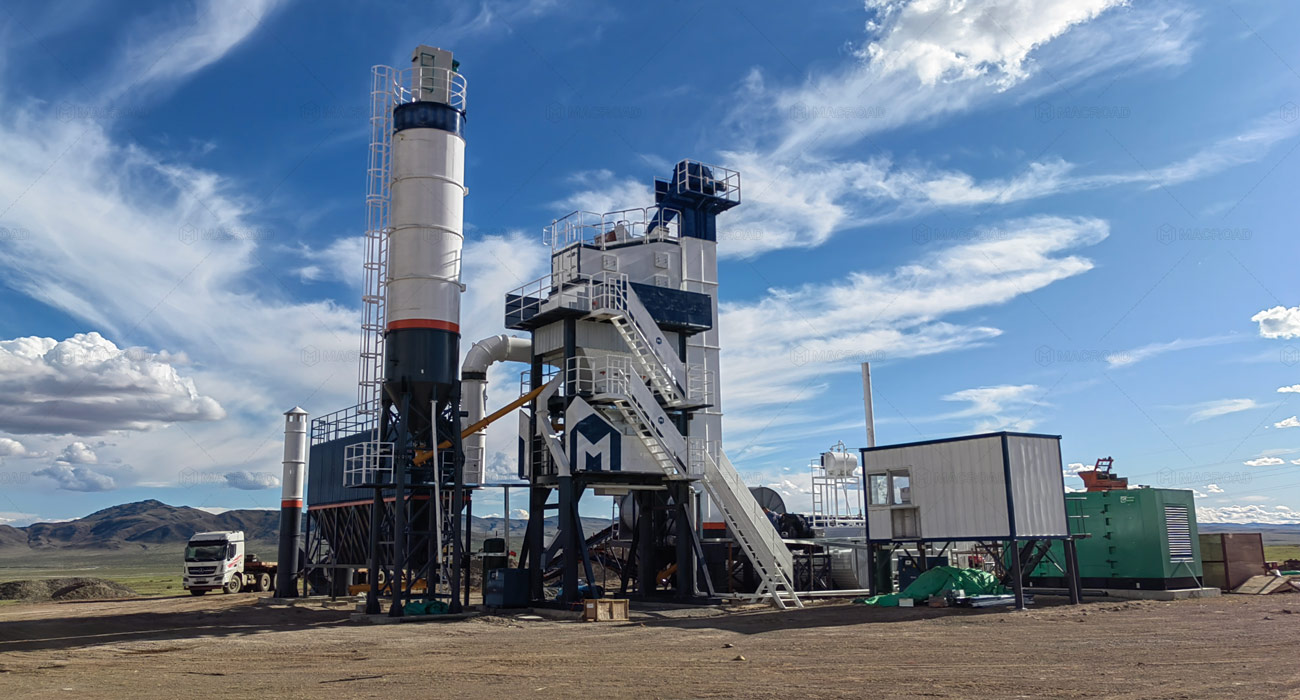
Asphalt Plant Suppliers Responding to Deployment Speed Demands
Modern infrastructure timelines compress project schedules, forcing asphalt plant suppliers to prioritize rapid mobilization and operational readiness over maximum capacity. Contractors increasingly demand equipment achieving production within 3-5 days of site arrival, yet traditional asphalt plant installations require 8-14 weeks foundation preparation and commissioning. Progressive asphalt plant suppliers respond by developing modular equipment designs, pre-assembled utility systems, and simplified commissioning protocols that reduce deployment time while maintaining production consistency. This market shift reflects recognition that contractors value schedule reliability more than nameplate capacity, fundamentally changing how asphalt plant suppliers engineer and market equipment.
The asphalt drum mix plant technology gains competitive advantage in rapid deployment scenarios through inherent design simplicity compared to batch mix plant complexity. Drum mix plants require fewer mechanical components, simpler control systems, and reduced site preparation needs, enabling asphalt plant suppliers to position this technology as deployment-optimized solution. However, batch mix plant suppliers counter by developing rapid-assembly configurations and pre-fabricated foundations that compress installation timelines, demonstrating that technology choice alone doesn’t determine deployment speed. Asphalt plant suppliers succeeding in competitive markets now emphasize total deployment solutions—including site preparation services, modular components, and integrated commissioning—rather than equipment specifications alone.
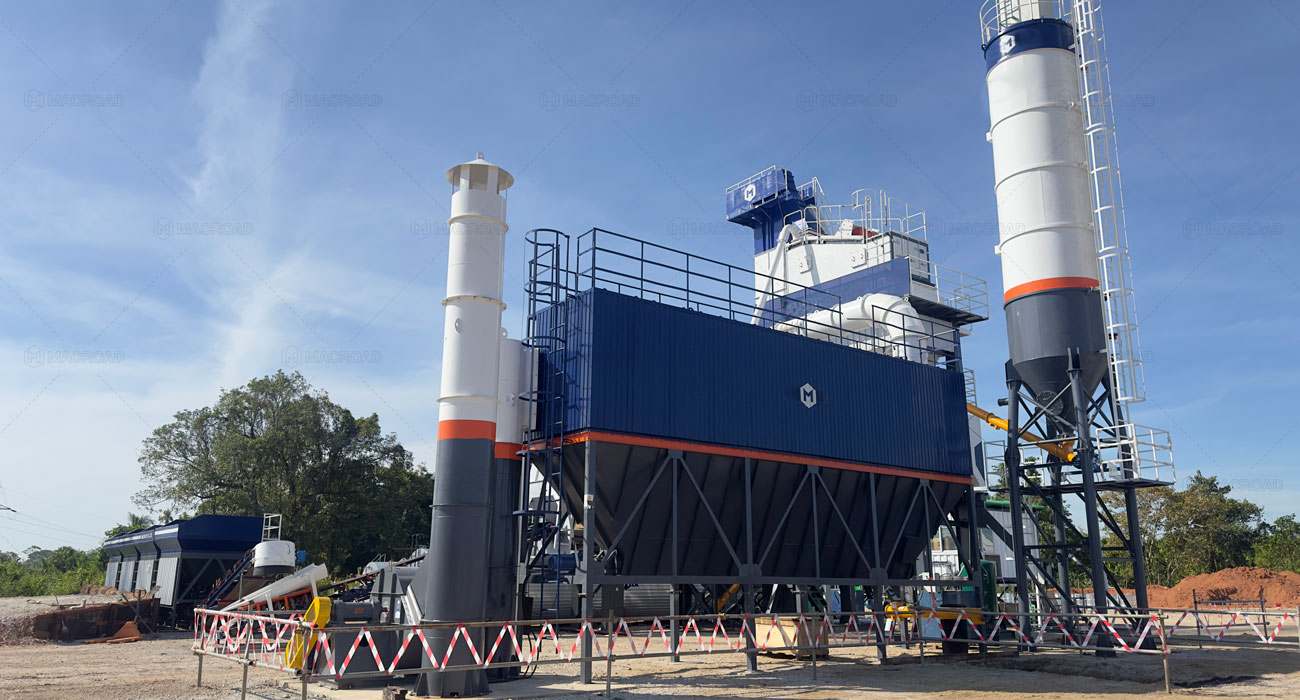
Technology Evolution and Market Segmentation Strategies
The difference between batch mix plant and drum mix plant remains relevant to market segmentation, yet asphalt plant suppliers increasingly recognize that technology selection depends on project-specific requirements rather than universal preferences. Batch mix plants maintain competitive advantage for municipal repair operations requiring material flexibility, intermittent operation, and operator simplicity, while asphalt drum mix plant technology dominates highway production where continuous output and consistency matter most. Progressive asphalt plant suppliers develop specialized product lines addressing specific market segments rather than pursuing universal equipment, recognizing that one-size-fits-all approaches fail in diverse infrastructure markets.
Asphalt plant suppliers investing in hybrid technologies blur traditional distinctions between batch mix plant and drum mix plant approaches. Some manufacturers develop drum systems incorporating batch-like flexibility through modular aggregate handling and rapid configuration changes, while others create batch plants with drum-like consistency through advanced mixing controls. This technological convergence reflects market recognition that contractors increasingly demand equipment combining batch plant flexibility with drum mix plant consistency, forcing asphalt plant suppliers to innovate beyond traditional category boundaries.
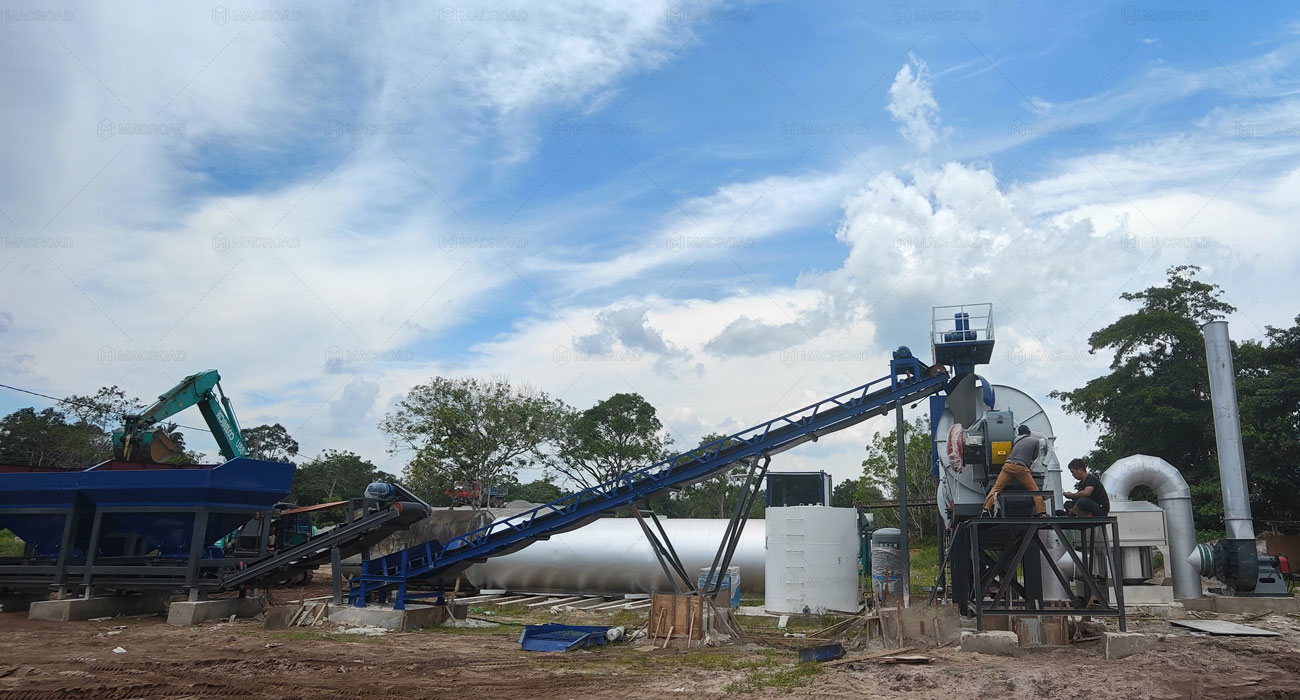
Asphalt Drum Mix Plant Market Penetration and Future Purchasing Trends
Asphalt drum mix plant technology continues gaining market share in highway and large-scale infrastructure projects where production consistency and fuel efficiency justify equipment investment. Asphalt plant suppliers report 40-50% annual growth in asphalt drum mix plant sales in developed markets, driven by contractor recognition that production stability reduces rework costs and schedule delays. However, this growth concentrates in high-volume segments; batch mix plant technology maintains strong demand in municipal, rural, and specialized applications where equipment flexibility and lower capital cost remain decisive factors.
Future purchasing preferences will likely reflect market bifurcation rather than technology convergence. Asphalt plant suppliers increasingly serve distinct contractor segments: large infrastructure operators purchasing asphalt drum mix plant equipment for continuous production, and municipal/regional contractors retaining batch mix plant preference for operational flexibility. This segmentation creates opportunity for asphalt plant suppliers developing specialized product lines and market positioning rather than pursuing universal solutions. Contractors’ purchasing decisions will continue reflecting project-specific requirements—production volume, schedule constraints, material variability, and operational expertise—rather than technology preference alone.
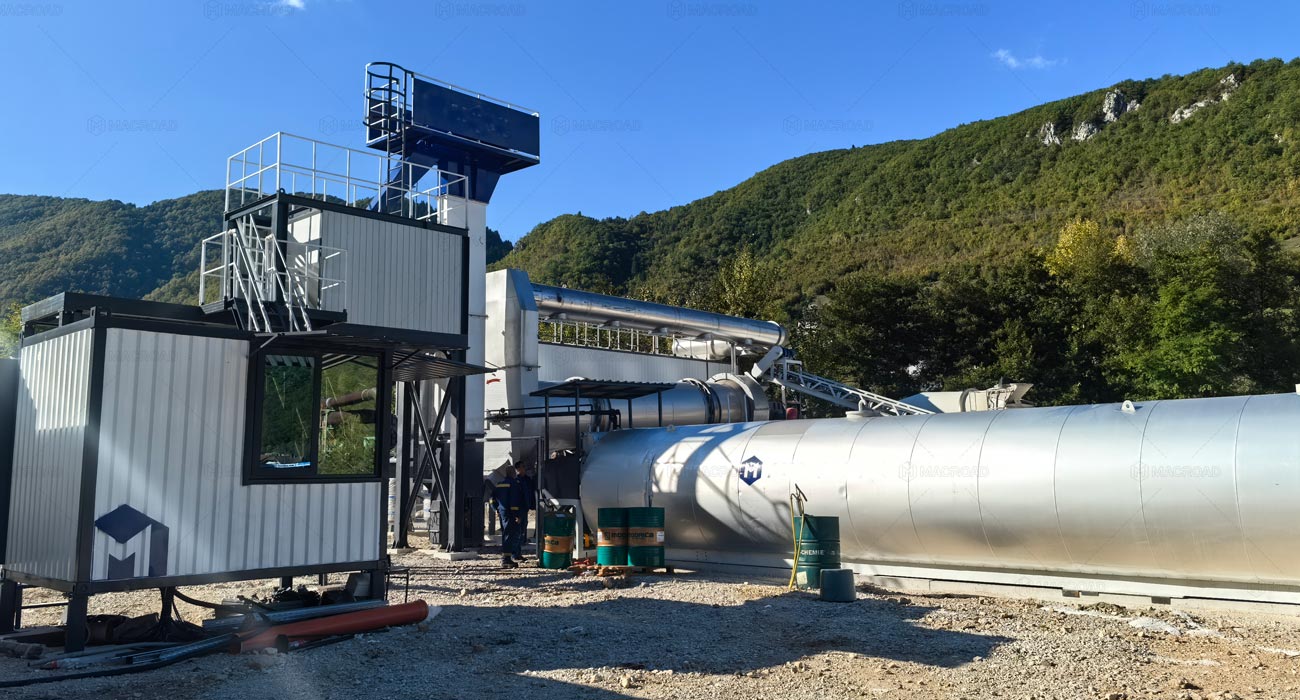
Strategic Adaptation and Competitive Differentiation
Successful asphalt plant suppliers adapt strategies beyond technology selection to encompass total solution offerings addressing contractor operational challenges. Market leaders develop comprehensive support programs including rapid deployment services, advanced commissioning protocols, predictive maintenance systems, and technical support infrastructure that differentiate equipment beyond performance specifications. The difference between batch mix plant and drum mix plant technology becomes secondary to supplier capability in delivering reliable, supported asphalt plant solutions matching contractor operational requirements.
Asphalt plant suppliers investing in market intelligence and customer relationship development gain competitive advantage over technology-focused competitors. Understanding contractor operational constraints, regional infrastructure priorities, and project-specific requirements enables suppliers to position equipment strategically and develop customized solutions. Asphalt plant suppliers recognizing that infrastructure acceleration demands equipment supporting faster deployment, operational flexibility, and consistent production quality—regardless of technology platform—position themselves for sustained competitive success in evolving markets.
Conclusion
Asphalt plant suppliers are fundamentally reshaping market strategies to address infrastructure acceleration demands through rapid deployment capabilities, operational flexibility, and production consistency rather than pursuing single-technology dominance. The difference between batch mix plant and drum mix plant continues defining equipment selection, yet asphalt drum mix plant growth reflects market segmentation where technology choice depends on project-specific requirements. Future purchasing preferences will reflect contractor recognition that asphalt plant suppliers delivering comprehensive solutions—combining appropriate technology, rapid deployment capability, and sustained technical support—create genuine competitive advantage in infrastructure markets increasingly demanding faster project execution and reliable equipment performance.