The transportation infrastructure across the CIS region is undergoing a historic transformation today. Governments are investing heavily in modern transit routes and international trade corridors. These networks connect manufacturing hubs in East Asia with consumers in Europe. Consequently, regional road construction companies must upgrade their machinery fleets. Selecting the right asphalt plant is the most critical decision for these growing firms. This comprehensive analysis explores the specific market preferences within this unique region. We will examine the key drivers behind these major infrastructure investment trends.
Strategic Transit Corridors: Driving Regional Demand
First, international logistics corridors dominate the economic agendas of Central Asian states. Countries like Kazakhstan and Azerbaijan are developing transit routes at a rapid pace. They want to capture expanding trade volumes between Asia and European markets. The Middle Corridor is a prime example of this massive infrastructure push.
Second, domestic urban growth demands substantial improvements to local road networks. Municipalities are building new ring roads and bypasses to ease traffic congestion. These projects require immense volumes of durable, high-quality asphalt mixes.
Therefore, local contractors must achieve very strict material specifications. Using obsolete machinery is no longer viable in this highly competitive bidding environment. Contractors need a highly reliable asphalt plant to win these profitable state tenders. Therefore, the demand for advanced asphalt plants (асфальтные заводы) in the region is rapidly increasing.
Mobile vs. Stationary: Segmenting Regional Preferences
The CIS region spans vast territories with highly diverse geographical landscapes. Operational conditions vary dramatically between remote wilderness and dense urban centers. Consequently, road developers must select their equipment layouts with extreme care. This operational division shapes distinct purchasing preferences across the region.
Remote Highway Networks Fuel Mobile Configurations
Many major highway projects cross thousands of kilometers of sparsely populated terrain. These job sites are often isolated from big cities and concrete supply centers. Under these challenging conditions, rapid deployment and mobility are the absolute top priorities.
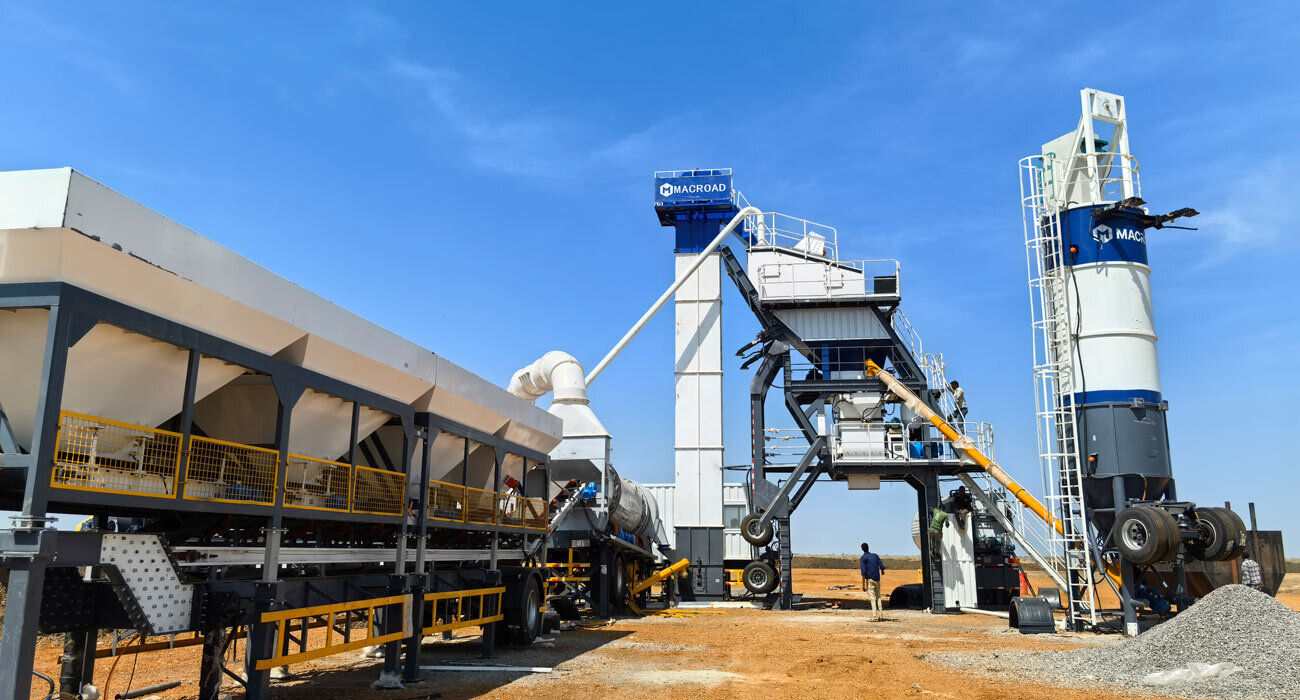
Therefore, remote highway developers frequently select a high-performance mobile asphalt plant (мобильный асфальтовый завод) for their fleets. These modular units allow for extremely rapid transport between different project sectors. Teams can assemble and dismantle the machinery in just a few days.
This flexibility dramatically reduces the transport costs of hot-mix asphalt. Furthermore, it minimizes the cooling of the mix during long transport times. This ensures that the final pavement meets strict density and durability standards.
Large-Scale Urban Developments Demand High Capacity
In contrast, metropolitan infrastructure projects present a completely different set of requirements. Cities require massive, continuous volumes of asphalt for heavy-duty highways. Urban projects also face much stricter timelines due to traffic disruption concerns.
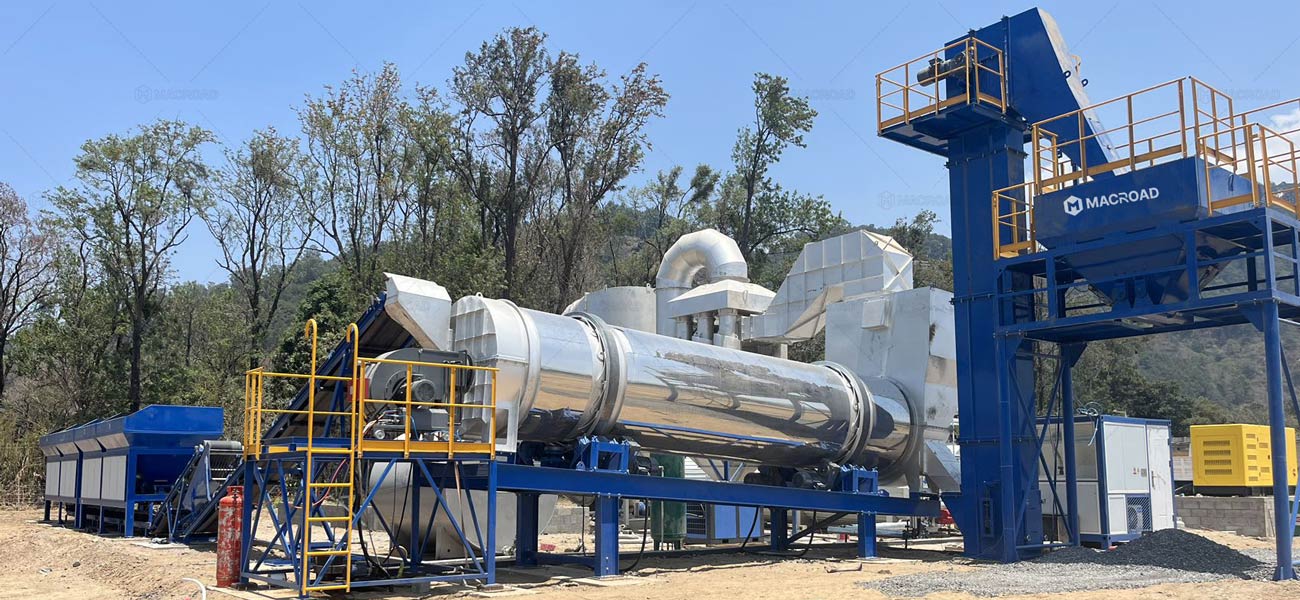
In these urban scenarios, high output capacity is far more important than portability. This is why the robust stationary asphalt plant (стационарный асфальтовый завод) dominates the metropolitan market segment. These large installations provide excellent production capacities of over 200 tons per hour. They also offer superior durability for years of continuous, heavy-duty operation.
Additionally, stationary models allow for more advanced dust collection and emission systems. This feature is crucial because major cities enforce very strict environmental regulations today.
Market-Defining Technical Requirements and Regional Challenges
Regional market dynamics depend heavily on unique geographical hurdles and operational realities. Specific structural conditions directly shape the competitive standing of global equipment brands. Therefore, successful manufacturers must adapt their technologies to meet local demands.
Climate Extremes Dictate Regional Engineering Standards
The CIS region experiences some of the most intense climate variations on Earth. Winter temperatures in northern zones regularly plunge far below freezing. Conversely, summers in the southern regions feature scorching, high-temperature periods. This thermal stress requires machinery to endure intense seasonal temperature swings.
Consequently, the regional market shows a strong preference for heavily insulated equipment. This includes specialized thermal protection for dryers and bitumen storage tanks. Effective insulation minimizes heat loss during operation.
As a result, operators achieve major reductions in burner fuel consumption. With rising fuel costs, energy efficiency directly determines the profitability of local projects. Therefore, climate-adapted design acts as a primary market differentiator for suppliers.
Service Ecosystems and Software Localization Define Competitiveness
Digital operations must align perfectly with local workforce capabilities. The regional market rejects complex interfaces lacking localized software options. Therefore, operators prioritize automated control systems featuring local language integration. This localization eliminates operation errors and improves daily safety metrics.
Furthermore, localized technical support structures determine long-term brand loyalty. Vast geographical distances make fast spare parts delivery highly challenging. A single day of unscheduled downtime costs contractors thousands of dollars in lost progress.
As a result, manufacturers with active regional service centers hold a massive competitive advantage. Buyers expect rapid support networks and 24/7 technical troubleshooting capabilities. This local service infrastructure directly determines long-term commercial success in this market.
Strategic Modernization: Upgrading the Fleet
The competitive landscape for CIS road builders is entering a mature phase. Simple road repairs are being replaced by high-speed expressway construction. To survive, contractors must modernize their machinery fleets with advanced technologies.
They are increasingly looking for systems that support recycled materials. Reclaimed asphalt pavement systems reduce raw material costs significantly. When regional construction companies plan to buy asphalt plant systems (купить асфальтовый завод), they prioritize total value. They look for complete packages including installation, training, and warranties. A reliable manufacturing partner helps them navigate these complex technical upgrades.
Future Market Outlook
The demand for high-quality asphalt across the CIS is set to grow. Large national infrastructure programs will continue to receive heavy state funding. Contractors who invest in modern, efficient machinery will lead the market. They will secure the most lucrative road construction projects. In conclusion, choosing the right mixing technology is the key to regional success.