In the road construction industry, equipment decisions directly affect project speed, cost control, and long-term competitiveness. One of the most common questions contractors face is whether they should invest in a larger asphalt plant to prepare for future growth. At first glance, a bigger asphalt mix plant seems like a safer choice. However, the real answer depends on demand forecasting, project pipeline stability, cash flow, and operational strategy.
This article breaks down the decision from a practical contractor’s perspective. It focuses on real construction scenarios, not theory. By the end, you will understand when upgrading capacity makes sense, when it creates unnecessary risk, and how to balance present demand with future expansion.
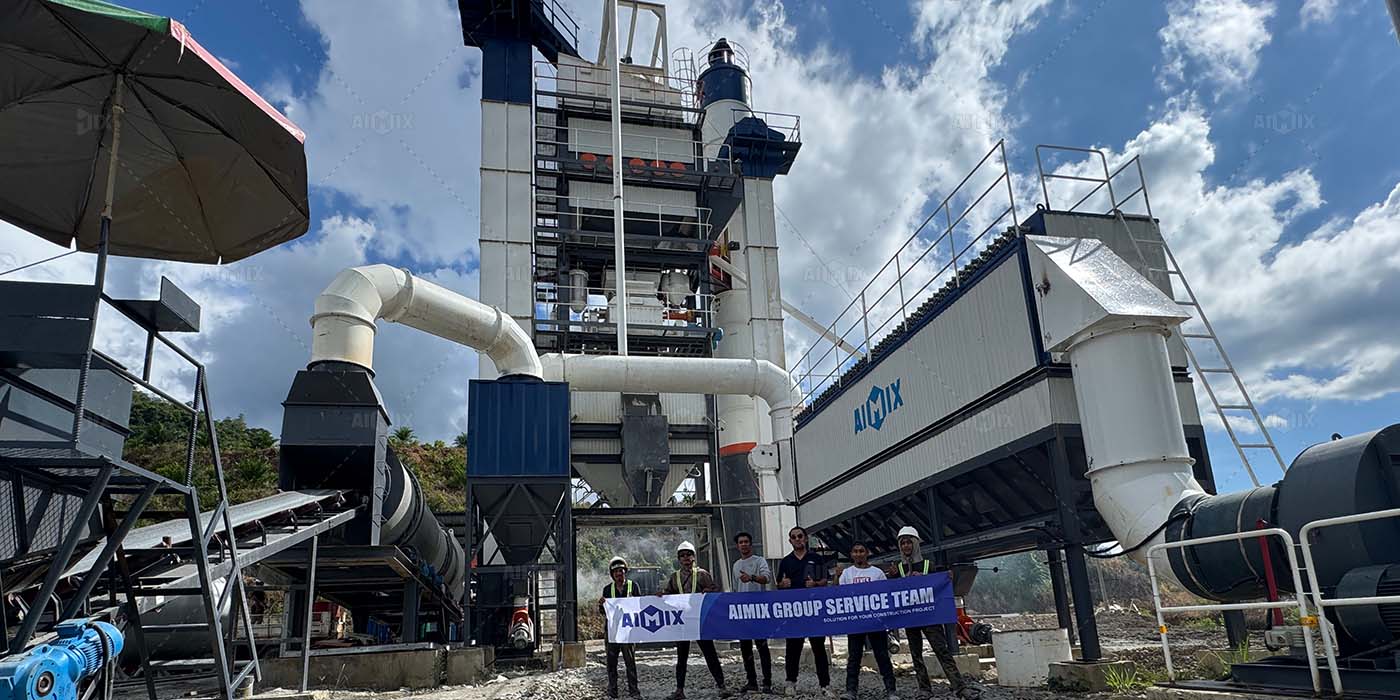
Understanding The Real Demand Behind Asphalt Plant Sizing
Before choosing plant capacity, contractors must first understand their actual demand pattern. Many buyers overestimate future projects. Others underestimate seasonal fluctuations. Both situations lead to inefficiency.
In real construction markets, asphalt demand is rarely stable. A contractor may handle small maintenance projects today and win highway contracts tomorrow. Because of this uncertainty, equipment selection should be based on a combination of current utilization rate and realistic pipeline forecasting.
To make a better decision, contractors should ask three practical questions: How consistent is my monthly asphalt output? Do I already have confirmed long-term contracts? And how fast can I realistically expand my project volume within 12–24 months?
Once these answers are clear, it becomes easier to evaluate whether a larger asphalt plant is truly necessary or simply an optimistic assumption.
When A Larger Asphalt Plant Makes Strategic Sense
A larger asphalt plant is not always risky. In fact, under the right conditions, it becomes a strong competitive advantage. However, timing is everything. Let’s explore when scaling up works in favor of contractors.
Stable Long-Term Project Pipeline
If a contractor already holds multi-year road infrastructure contracts, upgrading capacity can reduce production pressure. For example, highway maintenance programs or government road expansion projects often require continuous asphalt supply. In this case, a larger plant helps ensure uninterrupted production and avoids bottlenecks.
Moreover, when demand is predictable, higher capacity reduces cost per ton. This improves profit margins over time and strengthens bidding competitiveness.
However, this advantage only applies when contracts are secure. Without stable demand, the same capacity becomes underutilized and increases operational cost per ton.
Rapid Business Expansion Plans
Some contractors plan aggressive growth strategies. They may enter new regions or expand into multiple infrastructure segments. In such cases, a larger asphalt plant can support future scaling without repeated equipment upgrades.
This approach works especially well when contractors target public infrastructure projects. These projects often increase in volume over time. Therefore, having extra capacity helps companies respond quickly to new tenders.
Still, expansion plans must be realistic. If growth depends on uncertain contracts, it is safer to choose modular or scalable equipment instead of oversizing too early.
High Utilization Rate Expectations
A key indicator for upgrading is utilization rate. If a plant already operates near 80–90% capacity most of the year, it signals a strong need for expansion.
In this situation, larger hot mix asphalt plants reduce production stress. It also lowers downtime risk during peak construction seasons. As a result, project delivery becomes more stable and predictable.
However, if utilization is inconsistent, upgrading too early may lead to idle capacity. This directly affects ROI and increases payback period.
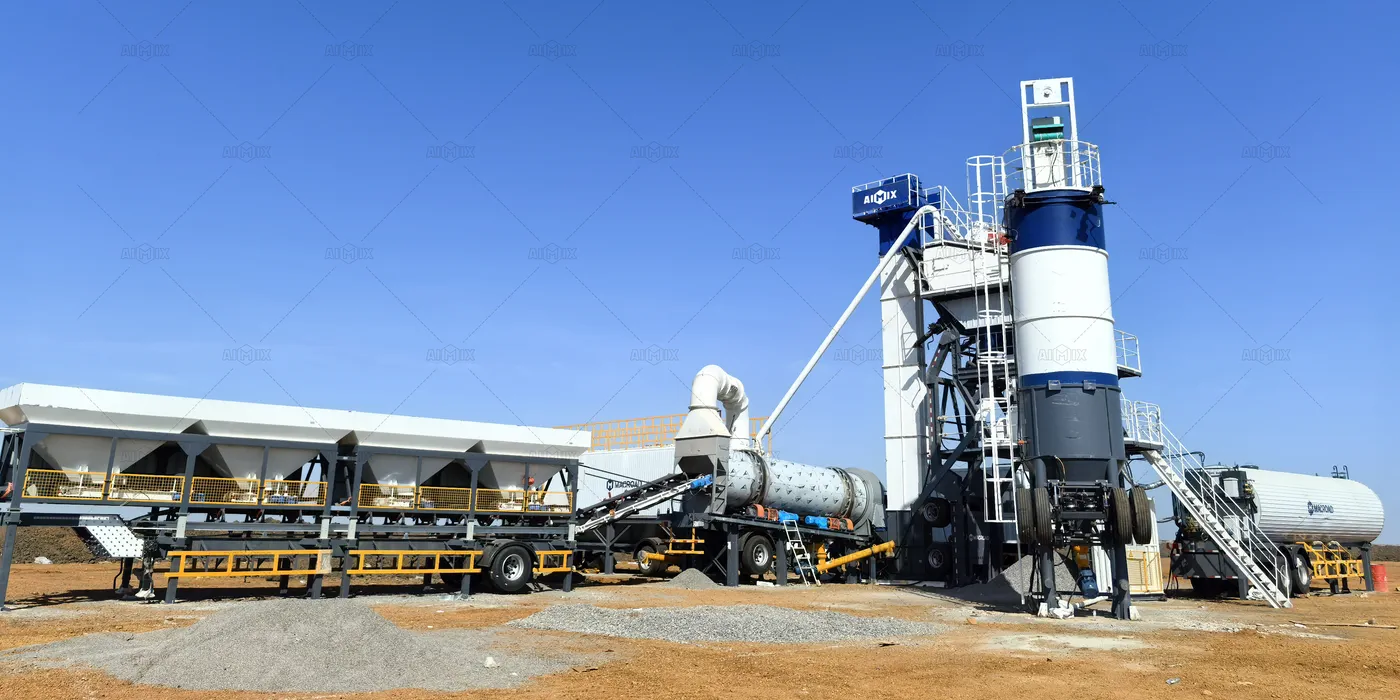
When Choosing A Larger Asphalt Plant Becomes A Risk
While larger capacity sounds attractive, it can create financial pressure if not aligned with real demand. Many contractors face hidden costs after over-investing.
Low Or Unstable Project Volume
If monthly asphalt demand fluctuates heavily, a large plant will not operate efficiently. Idle machines still consume maintenance resources, manpower, and storage costs.
In addition, inconsistent production reduces fuel efficiency and increases cost per ton. Over time, this weakens competitiveness in tender pricing.
Therefore, contractors with unstable workloads should prioritize flexibility instead of maximum capacity.
Limited Cash Flow And Financing Pressure
A larger asphalt plant requires higher upfront investment. It also increases operating costs such as fuel, spare parts, and skilled labor.
If cash flow is tight, this decision can reduce financial stability. Contractors may find themselves unable to invest in other critical areas such as transport trucks or aggregate supply chains.
As a result, the entire project system becomes unbalanced. Equipment should always match financial strength, not just future expectations.
Uncertain Market Expansion
Some contractors expect future growth based on market trends rather than confirmed contracts. While optimism is important, equipment investment should remain grounded in reality.
If market expansion does not happen as expected, oversized plants become long-term liabilities. This risk is especially high in highly competitive regions where project acquisition is unpredictable.
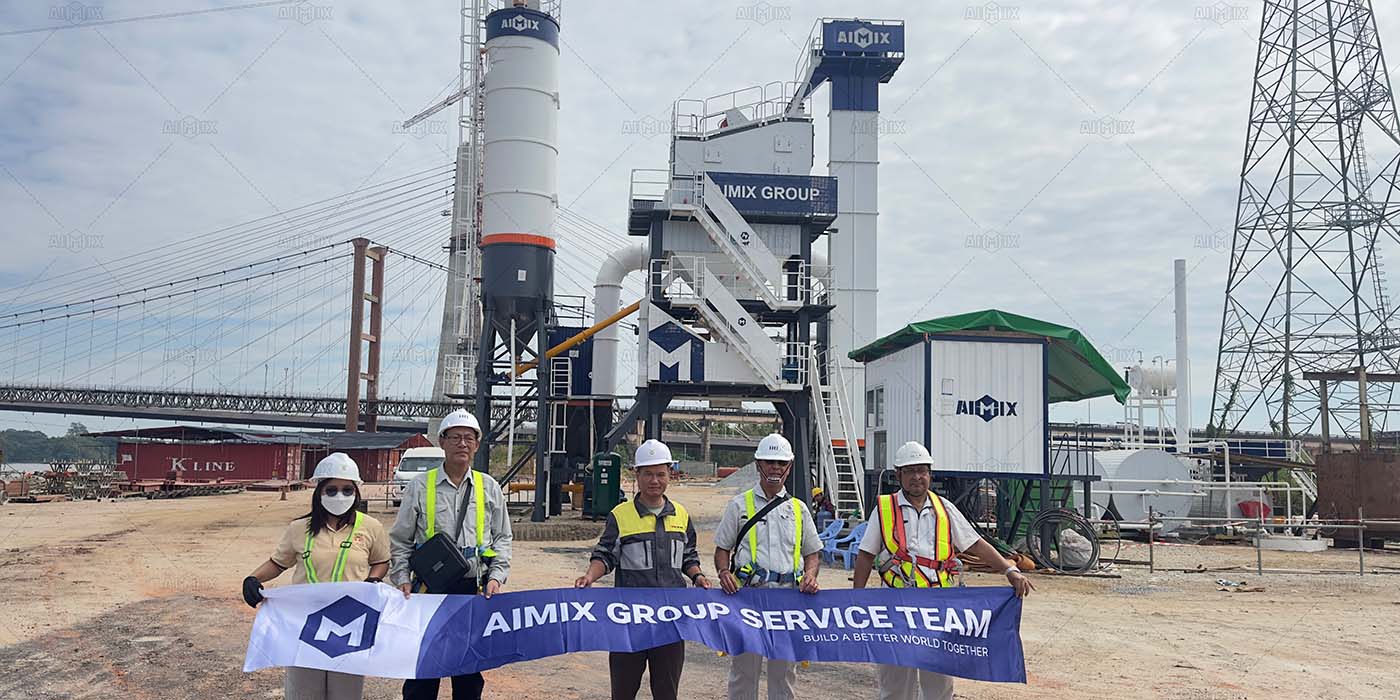
How To Evaluate The Right Asphalt Plant Capacity
Choosing the right size is not about choosing the biggest or smallest option. Instead, it is about balancing utilization, cost efficiency, and scalability.
A practical evaluation method includes three steps. First, calculate current daily production demand. Second, estimate realistic growth for the next 12–24 months. Third, select a plant that operates at 70–85% capacity under normal conditions.
This range is important. It ensures that the plant is neither overloaded nor underutilized. It also leaves room for emergency orders or sudden project increases.
Matching Capacity With Project Types
Different projects require different production levels. For example, urban road maintenance often needs smaller, frequent batches. In contrast, highway or airport projects require continuous high-volume production.
Therefore, contractors should align plant capacity with their dominant project type. If most projects are small-scale, a medium plant may be more profitable than a large one.
On the other hand, if the contractor is shifting toward large infrastructure projects, investing in higher capacity becomes more reasonable.
Considering Modular Expansion Options
Modern asphalt plants often support modular upgrades. This allows contractors to start with a mid-sized plant and expand later.
For example, understanding asphalt batch mix plant capacity is essential before selecting a scalable configuration. It helps contractors avoid over-investment while keeping future expansion options open.
This strategy reduces risk. It also improves flexibility in uncertain markets. Instead of over-investing at the beginning, contractors can scale based on real project performance.
In many cases, this approach delivers better long-term ROI than purchasing an oversized plant upfront.
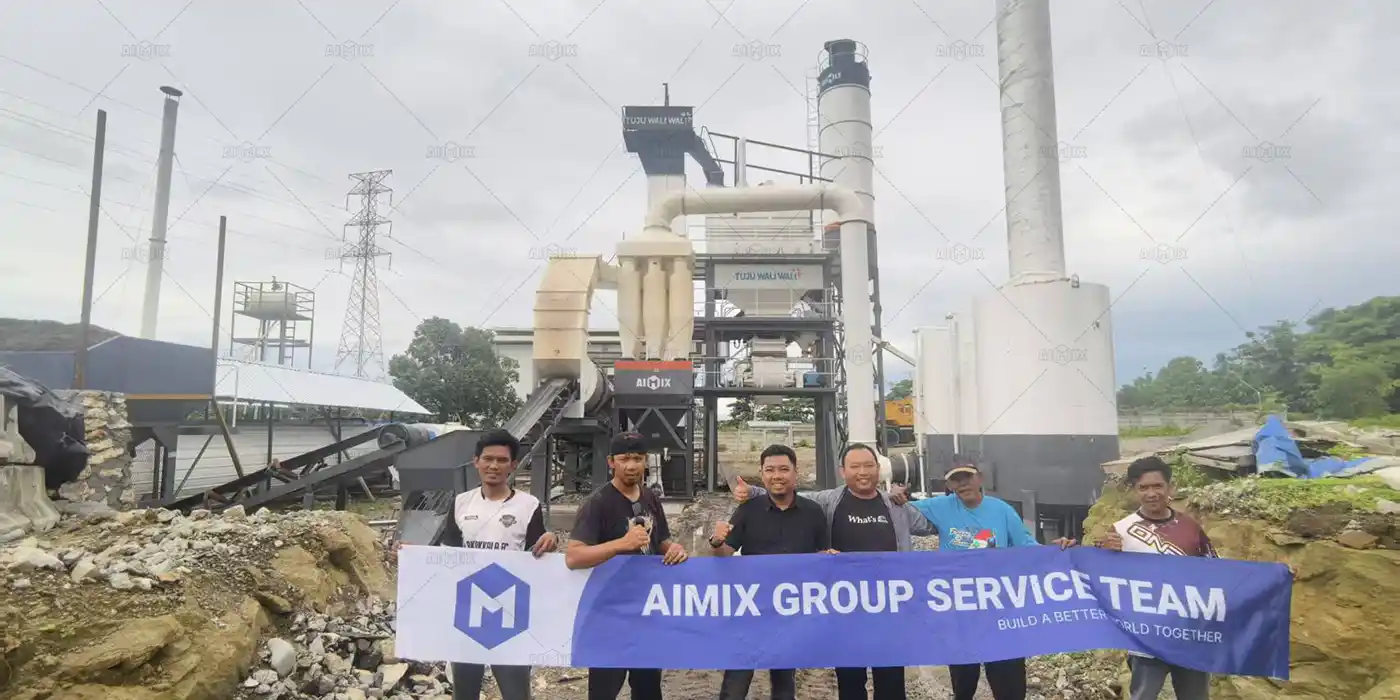
Real-World Decision Scenario Example
Consider a contractor producing 80–100 tons of asphalt per hour with occasional peak demand reaching 120 tons. If future projects are not confirmed, upgrading immediately to 160–200 tons capacity may be unnecessary.
However, if the contractor already secured multi-year highway contracts requiring continuous production above 140 tons per hour, then upgrading becomes a strategic move.
The key difference is not ambition. It is contract certainty and utilization predictability.
Common Mistakes Contractors Should Avoid
Many investment decisions fail due to unrealistic assumptions. One common mistake is buying based on peak demand instead of average demand. This leads to low utilization most of the year.
Another mistake is ignoring operating costs. A larger plant consumes more energy and requires more maintenance. If production volume does not increase accordingly, profit margins shrink.
Finally, some contractors focus only on future growth and ignore current cash flow limitations. This creates financial pressure that affects overall project execution.
Conclusion: Smart Capacity Planning Wins Long-Term Profit
Choosing a larger asphalt plant is not simply a technical decision. It is a business strategy. The right choice depends on project stability, cash flow strength, and realistic growth expectations.
If demand is stable and long-term contracts are secured, larger capacity can significantly improve efficiency and competitiveness. However, if demand is uncertain, flexible or scalable solutions are safer and more profitable in the long run.
In the end, successful contractors do not always choose the biggest machine. They choose the most balanced system that supports both today’s operations and tomorrow’s opportunities.
If you are currently evaluating asphalt plant options for your projects, it is worth analyzing your real demand curve before making a decision. A well-planned investment today can define your profitability for years to come. For practical guidance on equipment selection and configuration, you can also explore more about bitumen plant solutions designed for different project scales.
To further refine your decision, it is also important to understand different road construction plants and how they perform under varying job site conditions. This helps contractors match equipment more precisely to real-world construction needs.
Finally, before making any investment, contractors should also study practical selection methods. You can review detailed guidance on how to choose the best asphalt plant to avoid common mistakes and improve long-term ROI.