Latin America features some of the most geographically diverse and challenging terrains in the world, ranging from the steep, winding passes of the Andes Mountains to densely packed, historic urban centers. Maintaining and modernizing transport networks across these varied environments presents severe logistical hurdles for municipal engineering departments and private contractors alike. Traditional, stationary production facilities often fail to service remote or highly congested areas efficiently due to the rapid temperature drops that hot-mix asphalt undergoes during long transit times.
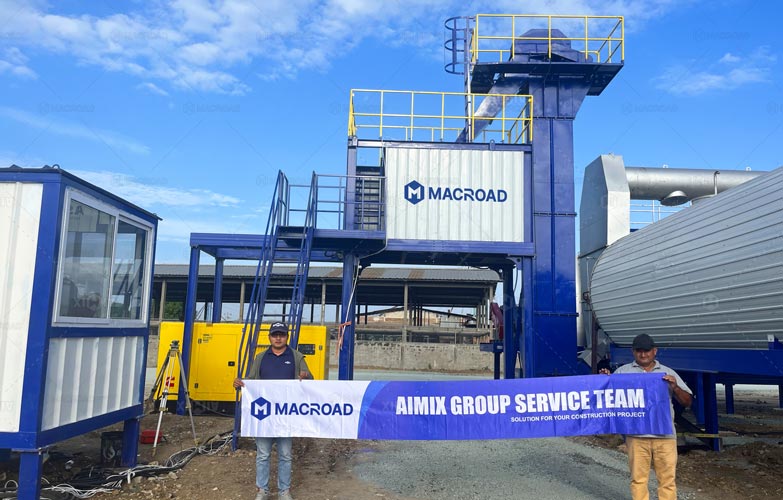
To overcome these structural bottlenecks, the regional construction market has experienced a significant shift toward localized, agile machinery. Specifically, the deployment of a high-mobility mobile asphalt plant(planta asfáltica móvil) has emerged as a game-changing solution for localized road maintenance. By bringing production capabilities directly to the work site, these highly adaptable units eliminate long-distance hauling dependencies, ensuring that fresh paving materials are delivered at optimum compaction temperatures regardless of geographical constraints.
Geographical Hurdles in Municipal Paving and Emergency Repair
Municipal road maintenance in Latin American cities often requires working within tight, historic streets designed long before the advent of modern automotive traffic. In cities like Quito, La Paz, or Bogotá, steep gradients and narrow alleys make it impossible for large asphalt haul trucks to navigate safely or quickly. When a sudden landslide, flash flood, or seismic event damages a vital transit artery, waiting hours for material to arrive from a centralized asphalt plant can paralyze local economies and delay emergency response services.
Furthermore, weather volatility across tropical and high-altitude zones complicates traditional paving workflows. Sudden downpours can instantly ruin a truckload of hot mix exposed to the elements during transport. Operating a localized mobile asphalt plant allows rapid-response crews to capitalize on narrow weather windows, mixing and laying asphalt immediately as conditions permit, thereby minimizing project delays and protecting infrastructure investments.
The Technical Advantages of High-Mobility Production Units
Modern mobile asphalt production units are engineered specifically to balance heavy-duty performance with rapid mechanical deployment. Unlike permanent installations that require extensive concrete foundations and weeks of calibration, trailer-mounted or containerized systems can be operational within hours of arriving at a job site.
Rapid Relocation and Modular Design
The defining characteristic of a premium mobile asphalt plant is its modular, compact architecture. All essential components—including cold aggregate feed hoppers, the drying drum, the bitumen heating tank, and the dust collection system—are integrated onto single or dual-chassis configurations. This allows the entire asphalt plant(toda la planta asfáltica) to be towed by standard semi-trucks over rugged mountain roads and positioned comfortably within restricted urban worksites or narrow highway shoulders without disrupting adjacent traffic lanes.
To illustrate how these high-mobility systems differ from traditional setups across various municipal applications, consider the operational matrix below:
| Equipment Configuration | Average Mobility Index | Primary Setup Time | Ideal Project Application | Space Footprint Required |
|---|---|---|---|---|
| Stationary Asphalt Hub | Low (Fixed Location) | Several Weeks / Months | Large-scale provincial highways, mass airport runways | Extensive (Requires dedicated industrial plot) |
| Chassis-Mounted Mobile Plant | High (Trailer-Towed) | 24 to 48 Hours | Inter-city road renovations, regional highway patches | Moderate (Fits on standard highway shoulders) |
| Mini / Compact Batch Plant | Ultra-High (Self-Contained) | 2 to 4 Hours | Municipal alleyways, emergency trench repairs, parking lots | Minimal (Fits within a single urban intersection) |
Addressing the Needs of Urban Maintenance and Small-Scale Projects
While large-scale highway projects require hundreds of tons of mix per hour, municipal street repairs and utility trench restorations demand a completely different operational scale. For small-scale municipal contractors, buying or renting a massive production plant is economically unfeasible and logistically impractical. This operational gap has driven the rapid popularity of the specialized mini asphalt plant(la mini planta de asfalto especializada).
Efficiency of Compact Mixing Systems
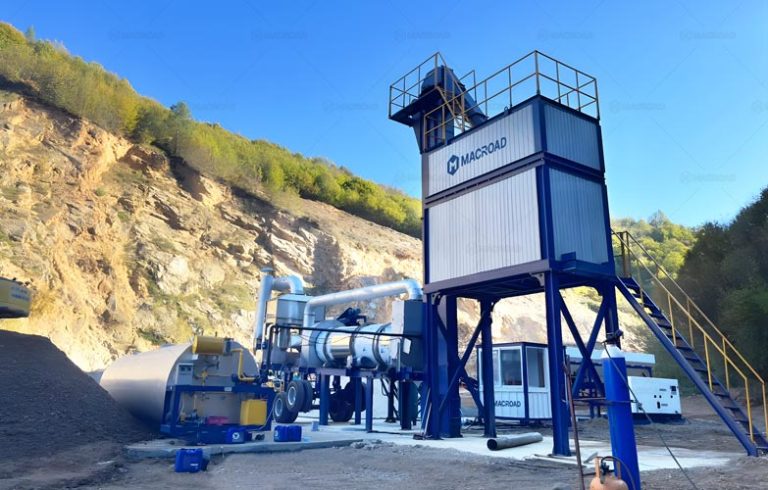
A mini asphalt plant provides an ideal balance for municipal patch repairs, trench backfilling, and suburban neighborhood paving. These compact systems are designed to produce smaller, high-precision batches of hot mix on demand, preventing the material waste associated with over-ordering from a distant commercial asphalt plant. By utilizing localized mini systems, municipal public works departments can manage small, scattered repair zones concurrently, drastically reducing urban traffic congestion and minimizing local air quality impacts through optimized fuel consumption and advanced onboard baghouse filtration filters.
Evaluating Financial Metrics: Navigating the Market Investment
When municipal authorities and private construction firms evaluate fleet expansion strategies, balancing technical performance with long-term financial viability is paramount. The overall asphalt plant price is subject to several variables, including production capacity, the degree of automation, and the inclusion of advanced environmental compliance systems.
Balancing Upfront Costs with Lifetime Operational Savings
While the initial asphalt plant price for a highly automated mobile or mini system(planta de asfalto precio para un sistema móvil o minisistema altamente automatizado) might carry a premium compared to legacy mechanical equipment, the lifetime operational savings regularly deliver a swift return on investment. Operating a localized mobile asphalt plant reduces fuel expenditures associated with heavy haul fleets and eliminates the cost of chemical asphalt retarders used to slow mix cooling during long transits. Furthermore, modern mobile units feature advanced diagnostic telematics that allow single operators to monitor material ratios precisely, reducing aggregate waste and lowering ongoing component maintenance overheads.
The strategic deployment of these flexible assets can be summarized through these core economic advantages:
- Elimination of Freight Overheads: Producing asphalt directly on-site completely cuts out third-party truck hauling fees and reduces local road wear caused by heavy transport vehicles.
- Optimized Bitumen Consumption: Advanced thermal insulation on modern mobile drums ensures optimal heat retention, reducing the auxiliary fuel required to maintain target mixing temperatures.
- Flexible Asset Capitalization: Once a municipal sector renovation is complete, the mobile plant can be hitched to a tractor and moved to the next district immediately, maintaining high equipment utilization rates.
Future Outlook for Sustainable Development in Latin America
As Latin American nations continue to adopt stricter environmental regulations regarding greenhouse gas emissions and resource conservation, the mechanical design of paving technology must evolve accordingly. Equipment manufacturers are responding by incorporating green processing capabilities into high-mobility units. Today’s premium mobile systems are increasingly engineered to process reclaimed asphalt pavement (RAP), allowing municipal maintenance crews to mill old, damaged street surfaces and recycle them directly into the fresh hot mix on-site.
Ultimately, coping with the complex terrain and dense urban environments of Latin America requires moving away from rigid, centralized production models. By embracing the operational agility of the modern mobile asphalt plant and the targeted efficiency of the mini asphalt plant, regional contractors can confidently execute complex municipal renovations and rapid emergency repairs. Investing in these highly mobile, clean-burning assets allows construction firms to balance a competitive asphalt plant price with uncompromised structural performance, ensuring the continent’s transport networks remain resilient, safe, and connected for years to come.