Latin America’s diverse geography—ranging from high-altitude Andean mountains to dense Amazonian rainforests and sprawling urban metropolises—presents distinct challenges for road infrastructure development. Selecting the right machinery is critical to ensuring long-term pavement durability, project efficiency, and cost control. At the heart of every successful road construction project is the reliable deployment of an asphalt paver. Choosing the correct size and capacity of paver determines how effectively material from the asphalt plant is laid down, directly impacting smooth rideability and project timelines across varied regional terrains.
Whether modernizing arterial highways, paving steep rural access roads, or navigating narrow historical city centers, contractors must carefully match equipment specifications to local operating realities. Understanding how small, medium, and large machinery interact with supply chains, material temperatures, and site constraints allows project managers to make informed capital investments that maximize yield while keeping overall equipment lifecycle costs manageable.
Understanding Paving Scale: Matching Equipment to Latin American Terrain
Road projects across Latin American nations vary dramatically in scale and accessibility. A one-size-fits-all approach to machinery selection often leads to project bottlenecks, premature pavement failure, or unnecessary expenditure. Evaluating site topography, urban restrictions, and material logistics ensures that an asphalt paver(pavimentadora asfáltica) operates at peak efficiency.
Contractors must evaluate three main tiers of paving equipment:
- Small Pavers: Highly maneuverable machines designed for tight urban environments, alleyways, repair patches, and narrow mountain passes.
- Medium Pavers: Versatile workhorses tailored for secondary highways, provincial corridors, urban arterial roads, and medium-scale industrial sites.
- Large Pavers: Heavy-duty units optimized for multi-lane highways, international trade corridors, and airport runway projects requiring continuous high-tonnage output.
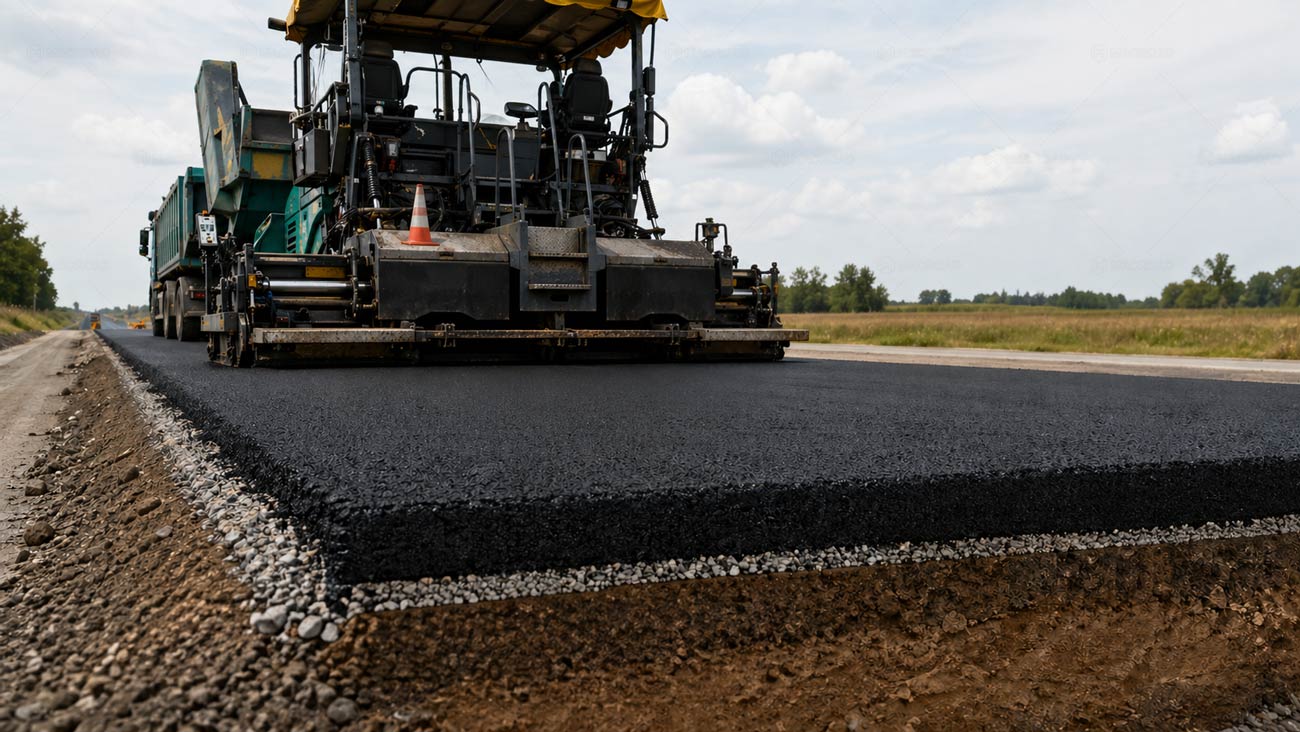
Choosing Small Asphalt Pavers for Urban and Remote Projects
Small units are essential for urban utility restoration, bicycle paths, parking lots, and remote mountain access roads where spatial constraints prevent large machinery from operating. In historical cities such as Cusco, Quito, or Cartagena, narrow streets demand high maneuverability and compact transport dimensions.
Key Features to Consider for Small Units
When selecting a small asphalt paver, focus on screed flexibility, transportability, and hopper capacity. Hydraulically extendable screeds allow operators to adjust paving widths quickly without manual extensions. Furthermore, because these projects are often geographically scattered, compact units should fit easily on standard flatbed trailers, minimizing transit time between jobsites in congested cities.
Logistics and Material Temperature Management
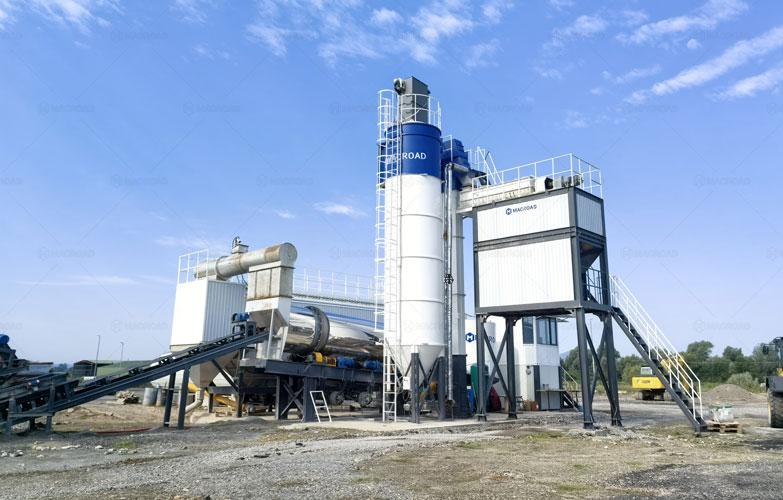
Small-scale projects often receive asphalt deliveries from a centralized asphalt plant(planta asfáltica) located miles outside urban limits. Because smaller laydown operations take longer to unload a haul truck, thermal segregation can become an issue. Choosing a paver with efficient screed heating systems (electric or gas) ensures that the mix retains optimum compaction temperatures throughout the pass.
Selecting Medium Asphalt Pavers for Secondary Roads and Regional Corridors
Medium-sized equipment forms the backbone of municipal and regional road construction across Latin America. These machines balance high output with flexible jobsite mobility, making them ideal for repaving two-lane highways, regional connectors, and expansive commercial developments.
Evaluating Sizing and Production Requirements
To keep a medium-sized paver moving continuously without stopping, contractors must align its laydown speed with the production capacity of their asphalt plant. Frequent stops create bumps in the road surface and compromise density. A well-balanced fleet ensures a steady queue of feed trucks, keeping the paver’s hopper supplied and maintaining continuous screed flotation.
| Paver Category | Typical Paving Width | Primary Applications | Ideal Logistics Partner |
|---|---|---|---|
| Small | 1.5m – 3.5m | City streets, trenches, rural paths | Batch plant or local commercial supplier |
| Medium | 2.5m – 6.0m | Secondary highways, urban avenues | Stationary batch plant or mobile asphalt plant |
| Large | 3.0m – 10.0m+ | Multi-lane highways, airport runways | High-capacity stationary or dedicated mobile plant |
Flexibility in Dynamic Environments
In regions where job sites shift rapidly along extensive rural corridors, pairing a medium asphalt paver with a mobile asphalt plant(con una planta de asfalto móvil) provides an exceptional tactical advantage. A mobile setup can be relocated alongside the advancing paving operation, shortening haul distances, reducing fuel costs, and preserving mix temperature across remote stretches of highway.
Deploying Large Asphalt Pavers for Major Highway Infrastructure
Major infrastructure investments, such as international transport corridors and highway expansions, demand high-tonnage large pavers. These heavy-duty machines deliver wide, seamless paving passes that minimize longitudinal joints—the primary point of structural failure on heavily trafficked highways.
High Tonnage and Continuous Laydown Capabilities
Large units require massive material throughput. To achieve consistent density across paving widths exceeding 8 or 10 meters, heavy tamper-bar screeds and high-capacity auger systems are essential. When operating at this scale, matching the laydown rate with output capacity prevents material starvation on the mat.
Sourcing and Equipment Investment Strategies
Securing the right equipment involves evaluating long-term capital costs and return on investment. While evaluating total project budgets, contractors must weigh equipment purchase prices against expected output and durability. Factors influencing the overall asphalt plant price(precio total de la planta de asfalto) and paver investment include local import tariffs, dealer support networks, parts availability, and telematics capabilities.
Optimizing Operations Across Latin American Landscapes
Successfully executing road construction projects in Latin America requires more than just buying reliable equipment. It demands a holistic view of the entire paving train. Integrating jobsite topography, climatic factors, material supply logistics, and local operator skill levels into your equipment selection strategy guarantees smoother project delivery.
Prioritizing synchronized operations between your mix production facility and your paving crew ensures high mat quality, extends pavement service life, and drives maximum profitability for contractors across the region.