A plant that is too small can create paving delays and increase dependence on outside asphalt suppliers. However, a plant that is too large can leave expensive equipment underused. Therefore, the better question is not “How many tons per hour can the plant produce?” It is “How much asphalt must the project produce during its busiest working periods, and how reliably can the plant support that demand?”
For highway contractors comparing an asphalt mixer plant, this distinction is important. Capacity should follow the project instead of the other way around. This article explains how EPC contractors can evaluate asphalt plant capacity for a two-year highway project and connect plant capacity with real construction requirements.
Start With Asphalt Demand, Not Plant Capacity
Before comparing asphalt plants, an EPC contractor should estimate the project’s asphalt demand. This gives the capacity decision a practical starting point. Otherwise, the contractor may choose a plant based only on its advertised output.
For a highway project, asphalt demand normally changes during different construction stages. Earthwork may require little asphalt production at the beginning. Later, base courses, binder courses, and surface courses can create much higher demand.
Therefore, the first step is to estimate the total quantity of asphalt mix and then determine when the project will consume that material.
Calculate The Approximate Asphalt Requirement
A simple calculation can help establish the initial range:
Total asphalt mix required = paved area × average asphalt thickness × compacted density
For example, suppose a highway section has a paved area of 600,000 m². If the average asphalt thickness is 0.15 m and the compacted mixture density is approximately 2.35 t/m³, the estimated asphalt mix requirement would be:
600,000 × 0.15 × 2.35 ≈ 211,500 tons
This number does not mean the plant must produce 211,500 tons continuously. The contractor must distribute the demand across the construction schedule and identify the periods when production will peak.
That distinction is important because a two-year project can have very different production requirements from month to month.
Understand The Difference Between Project Demand And Plant Capacity
Once the estimated asphalt requirement is known, the next step is to connect it with actual working hours. A plant’s rated capacity is normally expressed in tons per hour, but the contractor cannot assume that the plant will produce at its rated capacity every hour.
In real projects, production can be affected by aggregate moisture, mix design, material feeding, fuel consumption, maintenance, truck availability, plant warm-up, material changes, weather, and paving interruptions.
Therefore, an EPC contractor should leave a reasonable operating margin instead of matching the plant capacity directly to the average project demand.
Use Effective Production Capacity
For planning purposes, it is useful to distinguish between rated capacity and effective production.
- Rated capacity: The manufacturer’s stated maximum or nominal production rate.
- Effective capacity: The output the contractor can realistically maintain under actual project conditions.
- Peak demand: The highest production requirement during intensive paving periods.
- Daily demand: The amount of asphalt required by the paving operation during a working day.
For example, a plant rated at 120 TPH does not automatically mean that the project will receive 120 tons every operating hour. If the actual operating conditions allow 90–105 tons per hour over the planned production period, the contractor should use that practical range when building the project schedule.
This approach makes the capacity decision more realistic and reduces the risk of planning around an ideal operating condition.
How Much Asphalt Does A Highway Project Need Per Day?
Daily asphalt demand is often more useful than total project demand when selecting plant capacity. This is because paving crews, trucks, rollers, and the asphalt plant must work together during the same production window.
Consider a simplified example. If a paving operation needs approximately 800 tons of asphalt mix per day, and the contractor expects 8 productive plant hours per day, the theoretical average requirement is:
800 ÷ 8 = 100 TPH
However, selecting a 100 TPH plant immediately may leave little room for interruptions. If production falls because of wet aggregates, truck delays, maintenance, or mix changes, the paving operation may not receive enough material.
In this situation, a plant in the 120 TPH class could provide additional production capacity while remaining closely aligned with the project’s actual demand.
The key point is that capacity should support the paving operation rather than operate independently from it.
Capacity Ranges For A 2-Year Highway Project
There is no universal plant capacity for every two-year highway contract. Still, capacity ranges can help EPC contractors create an initial shortlist.
| Plant Capacity | Typical Planning Situation | Potential Advantage | Key Consideration |
|---|---|---|---|
| 40–60 TPH | Smaller highway sections or lower daily asphalt demand | Lower production scale and potentially simpler logistics | May struggle during intensive paving periods |
| 80–120 TPH | Medium highway projects and moderate daily demand | Good balance between output and equipment utilization | Requires accurate scheduling during peak paving |
| 120–160 TPH | Larger highway sections or higher peak demand | More production margin during intensive work | Higher investment and greater material-handling requirements |
| 160–240+ TPH | Large-scale highway programs with sustained high demand | High production potential for major paving schedules | Needs strong aggregate supply, truck logistics, and utilization |
These ranges should be treated as planning references rather than fixed recommendations. The actual choice depends on the project’s asphalt quantity, working hours, paving rate, aggregate supply, and construction schedule.
Why Peak Demand Matters More Than Average Demand
Average demand can hide the most important part of a highway project: the peak production period.
For example, an EPC contractor may calculate an average requirement of only 70 TPH across the entire project. However, the paving schedule may require 110 TPH during several months when multiple road sections operate simultaneously.
If the plant only supports the average demand, the contractor may face a capacity bottleneck exactly when the project schedule becomes most demanding.
Therefore, capacity planning should consider at least three numbers:
- Average daily asphalt demand.
- Peak daily asphalt demand.
- Peak hourly asphalt demand.
The third number is particularly important because the asphalt plant and paving equipment must maintain a compatible material flow. A plant with insufficient hourly output can force pavers to slow down or stop, even when the total daily production target appears achievable.
Match The Asphalt Plant With The Paving Operation
Plant capacity should never be evaluated separately from the paving train. An asphalt plant, haul trucks, paver, and rollers form one production system.
Suppose the paver can maintain a high paving rate but the asphalt plant produces too slowly. The paver may need to wait for trucks. On the other hand, if the plant produces much more material than the paving operation can place, trucks may queue at the plant or jobsite.
Both situations reduce efficiency. Therefore, the EPC contractor should evaluate the entire material flow before selecting the plant size.
Consider Truck Turnaround Time
Truck logistics can significantly influence the practical value of plant capacity. The contractor should estimate the complete truck cycle:
- Loading time at the asphalt plant.
- Travel time to the paving site.
- Waiting and unloading time.
- Return travel time.
- Any traffic or site-access delays.
For example, if the paving site is 30 km from the plant, the truck cycle can become a major constraint. Increasing plant capacity from 100 TPH to 160 TPH will not solve the problem if there are not enough trucks to transport the additional mix.
As a result, the EPC contractor should calculate the required truck fleet alongside plant capacity.
Choose Batch Or Drum Based On The Project Strategy
Capacity is only one part of the asphalt plant decision. The plant type also affects how the contractor manages different asphalt mixes and project phases.
A batch asphalt plant produces asphalt in controlled batches. This can be useful when the project requires multiple mix designs or frequent changes in aggregate proportions. The contractor can adjust recipes between batches and maintain clear control over different specifications.
A drum asphalt plant uses a continuous production process. It can suit projects that require relatively consistent mix production and continuous output over longer periods. For contractors evaluating an asphalt hot mix plant, the decision should therefore include production process, mix requirements, quality control, and operating conditions.
For an EPC contractor, the decision should consider more than TPH. Mix requirements, quality control, production continuity, fuel consumption, project specifications, and operational flexibility all matter.
When A Batch Plant Can Be Useful
- The project uses several asphalt mix designs.
- Aggregate proportions change between pavement layers.
- The contractor needs precise recipe control.
- The project includes different road sections with different specifications.
- Production flexibility is important.
When A Drum Plant Can Be Practical
- The project requires relatively continuous asphalt production.
- The mix design remains relatively consistent for long production runs.
- High production continuity is a major project requirement.
- The contractor has a stable aggregate and fuel supply system.
Consequently, the EPC contractor should determine the production process before making the final capacity decision.
Consider The Two-Year Project Timeline
A two-year project creates a different equipment planning problem from a short road maintenance contract. The plant must support the project for a substantial period, so utilization and lifecycle costs become more important.
For example, buying a very high-capacity plant may make sense during a six-month peak paving period but become difficult to justify if the plant operates at a low utilization rate during the rest of the contract.
On the other hand, a plant with insufficient capacity can create additional costs through overtime, extended project duration, outsourced asphalt purchases, or inefficient truck utilization.
Therefore, the contractor should map the asphalt demand across the two-year schedule instead of looking only at the total contract period.
Divide The Project Into Production Phases
- Phase 1: Site preparation, plant installation, testing, and initial road works.
- Phase 2: Main pavement construction and increasing asphalt demand.
- Phase 3: Peak paving period with the highest daily production requirement.
- Phase 4: Final sections, maintenance-related work, and project completion.
This phase-based approach shows when the plant will actually need its highest production rate. It also helps the contractor evaluate whether the plant can support future projects after the current highway contract ends.
Check Aggregate Supply Before Increasing Plant Capacity
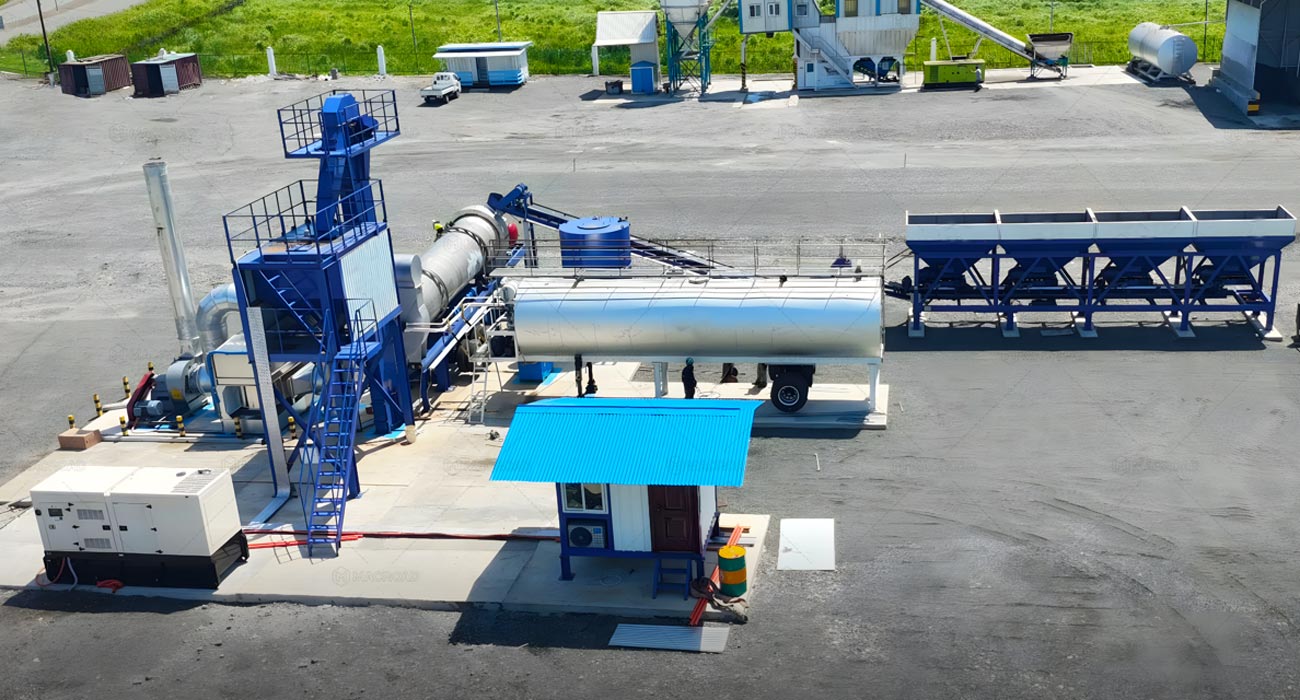
A higher-capacity asphalt plant needs a matching material supply system. This includes aggregate stockpiles, loaders, conveyors, screens when required, mineral filler, bitumen, fuel, and storage capacity.
For example, a 160 TPH plant can consume aggregate at a much faster rate than an 80 TPH plant. If the quarry, crusher, or stockpile system cannot supply the required aggregate consistently, the additional plant capacity has limited practical value.
This is especially important when the EPC contractor manages both aggregate production and asphalt production.
A complete solution may involve:
- Stone crushing and screening equipment.
- Aggregate storage and feeding systems.
- Asphalt mixing plant.
- Bitumen storage and heating equipment.
- Mineral filler or powder handling equipment.
- Asphalt storage or surge capacity where required.
- Truck loading and transportation.
Thus, plant capacity should fit the entire material chain rather than one machine in isolation.
Do Not Ignore Aggregate Moisture And Fuel Consumption
Aggregate moisture can have a noticeable effect on asphalt production. The plant must remove this moisture during heating, which consumes thermal energy and can affect practical output.
This becomes particularly relevant in regions with seasonal rainfall or high aggregate moisture. An EPC contractor should therefore evaluate the expected moisture range rather than rely only on laboratory or dry-condition assumptions.
Fuel consumption should also be considered when comparing plant capacities. A higher-capacity plant may produce more tons per hour, but the contractor should examine fuel consumption per ton under actual operating conditions.
The useful comparison is not simply “How much fuel does the plant use per hour?” It is also “How much fuel does it use to produce one ton of acceptable asphalt mix under our conditions?”

Calculate The Cost Of Being Too Small
Contractors often focus on the purchase price when comparing asphalt plants. However, the cost of insufficient capacity can be more important over a two-year project.
A plant that cannot meet peak demand may create several indirect costs:
- Longer paving periods.
- Additional labor hours.
- Higher truck utilization costs.
- Potential asphalt purchases from external suppliers.
- More frequent production interruptions.
- Greater pressure on the construction schedule.
- Reduced flexibility when several work fronts operate together.
These costs do not always appear in the initial equipment quotation. Therefore, the contractor should include them in the total project cost analysis.
Calculate The Cost Of Being Too Large
The opposite problem also deserves attention. An oversized plant can increase capital expenditure without creating proportional project value.
If a 200 TPH plant normally produces only 60–80 TPH because the project has limited paving demand, much of its theoretical capacity remains unused. The contractor may also need larger supporting equipment and more complex material handling.
Therefore, a higher TPH rating does not automatically create better project economics. The useful capacity is the capacity that the project can actually utilize.
Consider Future Projects After The Highway Contract
A two-year highway contract may not be the end of the equipment’s useful commercial life. EPC contractors should consider what happens after the current project finishes.
If the company regularly handles highways, airport roads, industrial roads, or large infrastructure projects, a plant that fits the current project and future demand can improve equipment utilization over time.
For contractors working across different locations, mobility can also become important. A mobile asphalt batch plant can reduce relocation requirements when the project strategy involves moving between work areas or contracts. A stationary plant may make more sense when production remains concentrated at one long-term site.
Similarly, contractors evaluating an asphalt drum mix plant for sale should compare continuous production requirements with the project’s expected mix strategy, logistics, and site conditions.
Consequently, the plant location strategy should be evaluated together with the two-year project plan.

A Practical Capacity Selection Method For EPC Contractors
Instead of choosing capacity from a product catalog, an EPC contractor can follow a simple decision process.
Step 1: Estimate Total Asphalt Quantity
Calculate the approximate tonnage for all pavement layers. Separate base, binder, and surface course quantities where possible.
Step 2: Build A Monthly Production Schedule
Identify when asphalt demand starts, when it peaks, and when it declines. This prevents the two-year contract duration from hiding short periods of high demand.
Step 3: Calculate Peak Daily And Hourly Demand
Use the actual paving schedule to estimate the tons required per day and per production hour.
Step 4: Add A Practical Production Margin
Allow room for maintenance, material changes, weather-related effects, and normal production interruptions. The margin should reflect the contractor’s actual operating conditions rather than an arbitrary percentage.
Step 5: Match Plant Capacity With Logistics
Check whether trucks, aggregate supply, bitumen storage, loaders, and paving equipment can support the selected capacity.
Step 6: Compare Total Project Cost
Compare equipment investment, fuel, labor, maintenance, transportation, outsourced asphalt, and potential schedule impacts. This gives a more useful picture than purchase price alone.
Step 7: Check Future Utilization
Finally, consider whether the plant can support upcoming projects after the highway contract. A plant with suitable future utilization can change the overall investment calculation.
Example: 100 TPH, 120 TPH, Or 160 TPH?
Suppose an EPC contractor estimates that a highway project will require approximately 180,000 tons of asphalt mix. The contractor expects the main paving period to last around 12 months, with several months of higher production.
If the peak schedule requires around 800 tons per day, an average requirement of 100 TPH over an eight-hour production window may appear sufficient. However, the contractor should then check truck availability, aggregate moisture, maintenance time, and possible simultaneous paving operations.
A 100 TPH plant may work if the production schedule remains stable and logistics are strong. A 120 TPH plant can provide additional hourly capacity when demand increases. A 160 TPH plant may become more relevant if the project has multiple paving fronts or a substantially higher peak demand.
The important point is that the answer comes from the project data. The contractor should not select 160 TPH simply because it is larger, just as the contractor should not select 100 TPH simply because the average calculation reaches that number.
What Should EPC Contractors Ask An Asphalt Plant Supplier?
Once the capacity range becomes clear, the contractor should request technical information that supports a project-level comparison. Working with an experienced asphalt mix plant supplier can also help the EPC team evaluate the plant together with installation, commissioning, training, spare parts, and after-sales support.
- What is the rated production capacity under the proposed operating conditions?
- What production rate can the plant maintain with the project’s expected aggregate moisture?
- What fuel consumption can be expected per ton?
- What mix designs can the plant handle?
- How quickly can the plant change recipes?
- What aggregate sizes and feeding configurations are required?
- What is the required installation area?
- How long does installation and commissioning normally take?
- What electrical power supply does the plant require?
- What dust collection system is included?
- What maintenance parts should remain on site?
- What installation, commissioning, training, and after-sales support are available?
- Can the supplier provide references for similar highway projects?
These questions help the EPC contractor move from a simple equipment purchase toward a complete production solution.
The Right Capacity Is The One That Fits The Whole Project
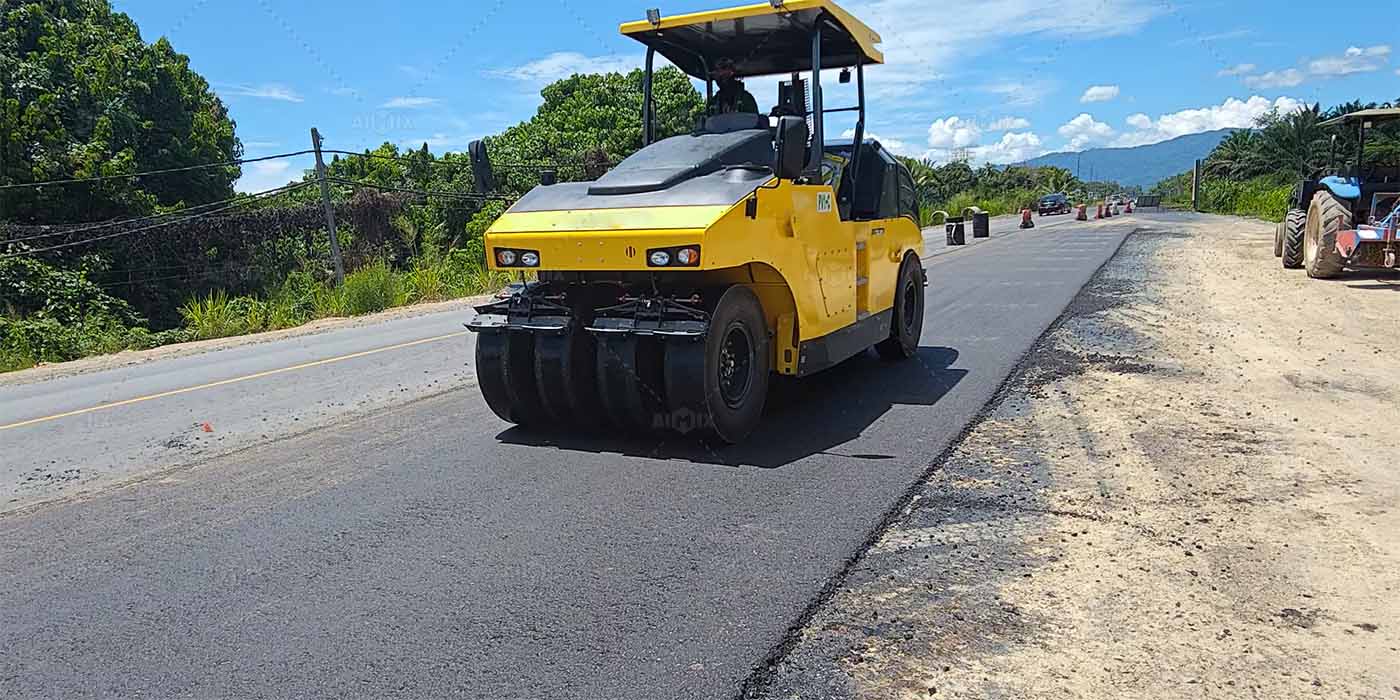
For a two-year highway project, asphalt plant capacity should follow the project’s real production pattern. Total asphalt quantity provides the starting point, but peak hourly demand, paving rate, truck turnaround, aggregate supply, plant utilization, and future projects determine the final choice.
In many medium-scale highway applications, the 80–120 TPH range can become a practical starting point for evaluation. Larger projects or projects with high peak demand may require 120–160 TPH or more. However, these ranges are not substitutes for project calculations.
The most reliable approach is to calculate the asphalt demand first, identify the peak production period, then size the plant and supporting equipment around that requirement. In this way, the EPC contractor can avoid both an undersized plant that restricts construction and an oversized plant that remains underutilized.
Plan Your Asphalt Production Around Your Highway Project
Choosing an asphalt plant is ultimately a project planning decision, not just an equipment decision. If you are preparing a two-year highway project, share your estimated asphalt quantity, pavement area, layer thickness, peak daily production target, project location, and expected paving schedule with an experienced asphalt plant supplier.
With these details, the supplier can compare suitable capacities, plant types, material systems, installation requirements, and production configurations based on your actual construction plan.
We can help EPC contractors evaluate asphalt plant solutions for different highway production requirements and project conditions. The goal is not simply to provide a higher TPH rating. It is to build a production system that fits the project’s schedule, logistics, quality requirements, and long-term equipment utilization.
Contact us to discuss your highway project’s asphalt production needs and build a capacity plan around your real construction schedule.